Sep 3, 2026 10:44 AM
In Memoriam: Cassandra Wilson, 1955–2026
Cassandra Wilson, a singer, songwriter and producer who was one of the most acclaimed and successful jazz vocalists of…


Pianist Andrew Hill died on Friday after a lengthy battle with lung cancer. He was 75.
A true modernist, Hill’s compositions displayed an esthetic and intellectual stance that was new to jazz in the early ‘60s when he began recording for Blue Note. The way he used repetition, asymmetry, dissonance and silence were not found in the music of his acknowledged influences: Thelonious Monk, Bud Powell and Art Tatum.
Hill was born in Chicago on June 30, 1937, attended the University of Chicago’s lab school and performed a novelty act in talent shows as a youth. He began playing piano at 13 and had composition lessons from William Russo and Paul Hindemith while still a teen; he also backed Charlie Parker and Miles Davis in local clubs.
Hill left Chicago in 1961 to join Dinah Washington in New York City, where he also backed Al Hibbler and Johnny Hartman. After a gig with Roland Kirk in California in 1962, Hill returned to New York, where he began recording for Blue Note both as a leader with three startling sessions in eight months. Those sessions resulted in the landmark albums, Point of Departure , Black Fire and Judgment! . He also worked as a sideman on dates with Freddie Hubbard, Eric Dolphy, Joe Henderson and Woody Shaw.
In 1965 Hill became music coordinator for Amiri Baraka’s Black Arts Repertory Theatre; and in 1970 he worked as composer-in-residence at Colgate University, where he received his doctorate. Hill toured with the Smithsonian Heritage Program (1972-‘75) and received a fellowship from that institution. He later taught in prisons and public schools in California while continuing to record.
Hill’s final years were especially productive. He recorded Dusk (Pametto, 1999) and a two-CD set with his big band, A Beautiful Day (Palmetto, 2003). His recent Time Lines (Blue Note) received the 2006 DownBeat critics poll album of the year award.
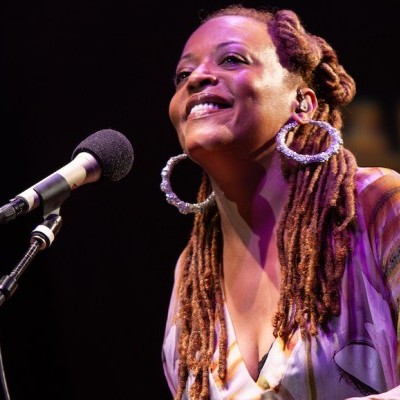
Wilson’s ability to connect to audiences helped her to win two Grammy awards and multiple other accolades. She was named an NEA Jazz Master in 2022.
Sep 3, 2026 10:44 AM
Cassandra Wilson, a singer, songwriter and producer who was one of the most acclaimed and successful jazz vocalists of…
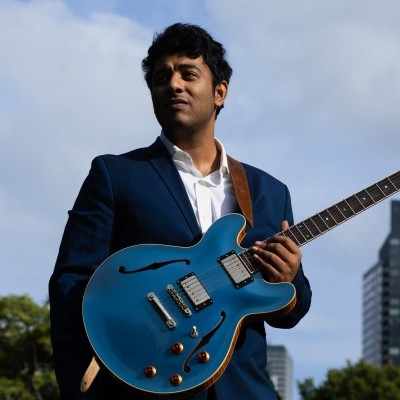
“The love from the jazz and music community restored my faith in humanity,” Walia wrote in an online post upon his release from detention at an ICE facility.
Aug 18, 2026 2:15 PM
Indian jazz guitarist and composer Pritesh Walia has been released after being unexpectedly detained by ICE and taken…
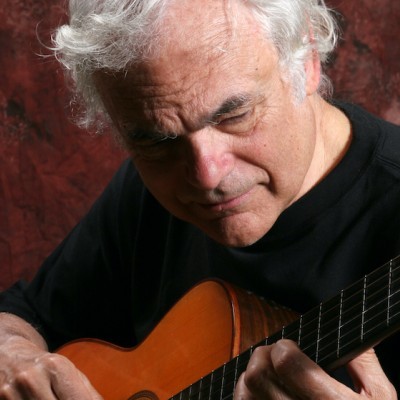
Bertoncini was a specialist and advocate for the nylon-string acoustic guitar, turning down high-profile opportunities that were unsuited to the sound and techniques that he used with that instrument.
Sep 1, 2026 11:06 AM
Gene Bertoncini, an esteemed jazz guitarist, composer, arranger and educator, died Aug. 29 at the Lillian Booth Actors…
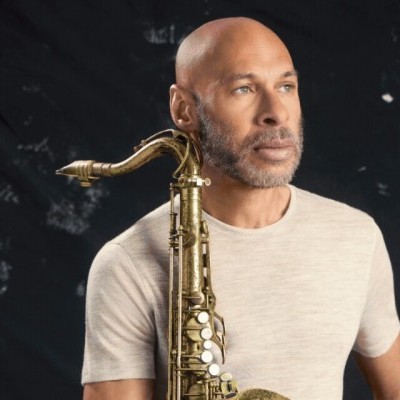
A solo concert by saxophonist Joshua Redman will close the first night of the Hyde Park Jazz Festival on Sept. 26.
Sep 22, 2026 12:26 PM
The Hyde Park Jazz Festival will take place for the 20th time on the final weekend of September 2026. Beginning half…
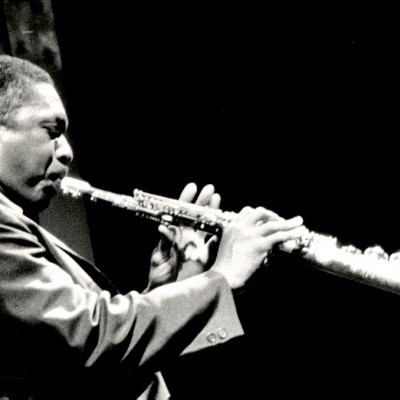
“It was just that suddenly … I could hear it,” Ravi Coltrane said of an epiphany he experienced during his late teens regarding his father’s music. “And it was almost like a calling, like something saying, ‘Hey, man, come on. It’s time to get serious.’ And the first time you really tune in and dial in and focus like that, it can be very life-changing.”
Sep 22, 2026 1:39 PM
Editor’s Note: Tomorrow, Sept. 23, is the 100th anniversary of John Coltrane’s birth. In honor of the tenor and…