Sep 3, 2026 10:44 AM
In Memoriam: Cassandra Wilson, 1955–2026
Cassandra Wilson, a singer, songwriter and producer who was one of the most acclaimed and successful jazz vocalists of…


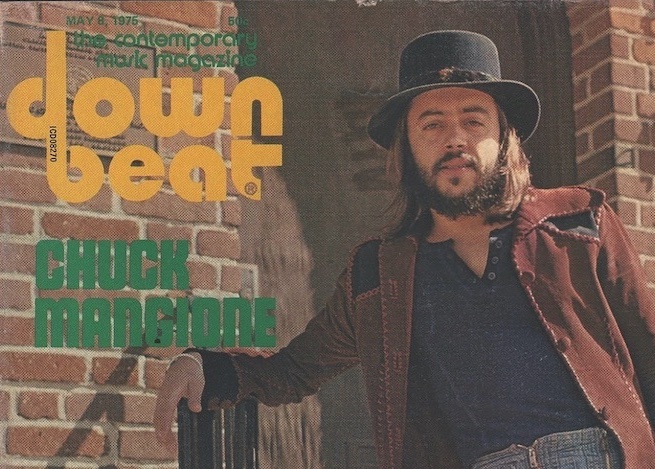
Chuck Mangione on the cover of the May 8, 1975, edition of DownBeat.
(Photo: Courtesy of DownBeat Magazine)Chuck Mangione, one of the most popular trumpeters in jazz history, passed away on July 24 at home in Rochester, New York. He was 84. Mangione’s 1978 hit album (and title-track single), Feels So Good, delivered record-setting sales and ascended to heights of popularity seldom reached by a jazz musician — leading many to claim, in retrospect, that the trumpet and flugelhorn master helped usher in the smooth jazz craze of the ensuing decade. “Feels So Good” hit No. 4 on the Billboard Hot 100 and topped the magazine’s adult contemporary chart.
Mangione was no overnight sensation. He made his way up the ladder of jazz stardom in a most old-fashioned way: school, sideman, educator, leader. His work on the jazz scene dates back to the early 1960s.
While still a conservatory student, he began putting out records with his brother, Gap, a pianist, as the Jazz Brothers. With the release of their 1960 album, The Jazz Brothers (Riverside), Mangione set sail on a career of rarified success.
He caught the wider eye of jazz fans as a member of Art Blakey’s Jazz Messengers, taking over a trumpet chair that had been previously held by the likes of Lee Morgan, Freddie Hubbard, Clifford Brown and others. Later, Wynton Marsalis held that chair.
“I went with Art for two years and recorded two albums with him,” Mangione told DownBeat in the Nov. 25, 1971, issue. “At that time we had Frank Mitchell on tenor and Reggie Johnson on bass. John Hicks had just left so Keith Jarrett was on piano. Then Mike Nock was on for a while and then Chick Corea came on the band. What a school that was! I went to school with piano players. But then after two years I couldn’t handle it anymore … work two weeks, off a week, work a weekend, be off the week. …”
All this when Mangione was fresh out of college, after studying at the Eastman School of Music. The Jazz Brothers produced three albums on Riverside, then disbanded.
Mangione moved to New York on what he called “a stupid ego thing,” basically to prove himself. And he did. Kai Winding gave him his first gig. He met and worked with Maynard Ferguson and many other high-calibre leaders.
Before striking jazz gold in the late 1970s, Mangione served as a performer and educator, teaching at Eastman, where he served as director of the school’s jazz ensembles, and other prominent institutions.
In the late 1960s, he was a member of the band National Gallery. In 1970, he released Friends & Love … A Chuck Mangione Concert (Mercury), a live album that raised his profile dramatically. But nothing would compare to the success of Feels So Good. The album landed Mangione on the March 23, 1978, cover of DownBeat. It was a hit beyond his wildest dreams.
“I’m always flabbergasted when I see a sellout house that seats 700 people,” Mangione told DownBeat in that issue. “Tonight both shows are sold out in advance. … I feel good about it. I don’t know how it’s all happening, but I think it’s a combination of things we’ve been doing for a long time.”
Mangione’s immense popularity was built on his first Grammy Award, for “Bellavia,” in 1977, which won for Best Instrumental Composition. That directly led to Feels So Good and 1979’s Fun And Games, huge hits that reached far beyond the realm of jazz. He went on to enjoy a career that spanned 30 albums, 14 Grammy nominations and two Grammy Awards.
In the end, it’s yet another compelling road narrative: the story of an artist’s incredible journey. Chuck Mangione accomplished something few in jazz ever have or ever will — through artistry, hard work and, yes, a bit of magic dust sprinkled in for luck. Rest easy, Mr. Mangione. Your music still feels so good. DB
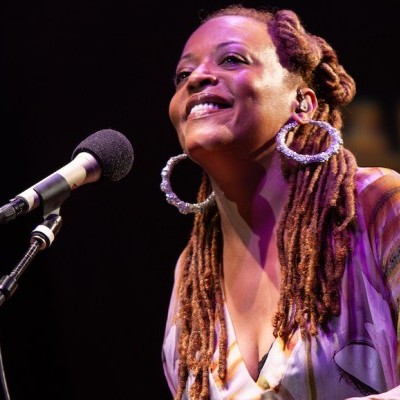
Wilson’s ability to connect to audiences helped her to win two Grammy awards and multiple other accolades. She was named an NEA Jazz Master in 2022.
Sep 3, 2026 10:44 AM
Cassandra Wilson, a singer, songwriter and producer who was one of the most acclaimed and successful jazz vocalists of…
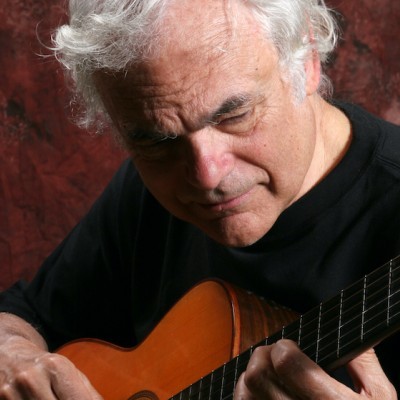
Bertoncini was a specialist and advocate for the nylon-string acoustic guitar, turning down high-profile opportunities that were unsuited to the sound and techniques that he used with that instrument.
Sep 1, 2026 11:06 AM
Gene Bertoncini, an esteemed jazz guitarist, composer, arranger and educator, died Aug. 29 at the Lillian Booth Actors…
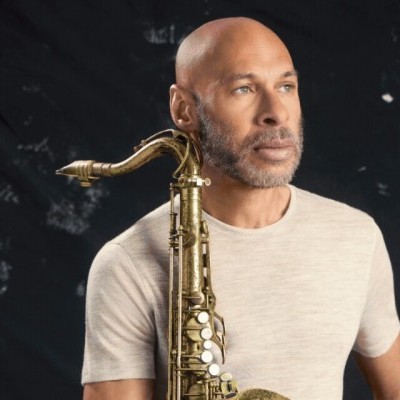
A solo concert by saxophonist Joshua Redman will close the first night of the Hyde Park Jazz Festival on Sept. 26.
Sep 22, 2026 12:26 PM
The Hyde Park Jazz Festival will take place for the 20th time on the final weekend of September 2026. Beginning half…
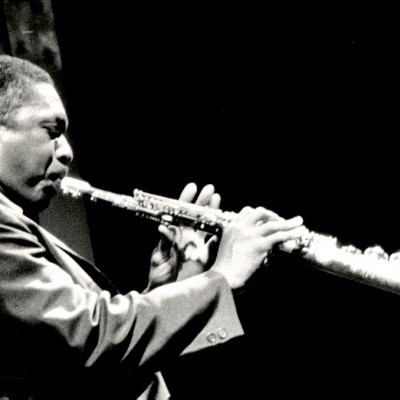
“It was just that suddenly … I could hear it,” Ravi Coltrane said of an epiphany he experienced during his late teens regarding his father’s music. “And it was almost like a calling, like something saying, ‘Hey, man, come on. It’s time to get serious.’ And the first time you really tune in and dial in and focus like that, it can be very life-changing.”
Sep 22, 2026 1:39 PM
Editor’s Note: Tomorrow, Sept. 23, is the 100th anniversary of John Coltrane’s birth. In honor of the tenor and…
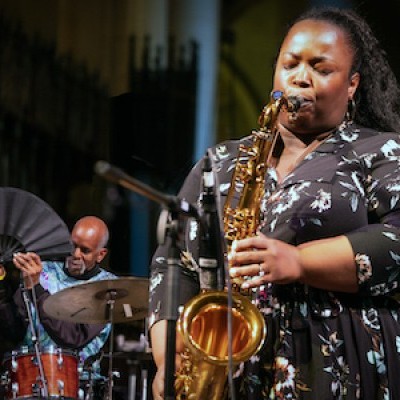
Camille Thurman took to the stage alongside bassist Kenny Davis and drummer Tommy Campbell for a rendition of Johnny Mercer’s “I’m An Old Cowhand” that recalled Rollins’ epochal 1957 trio outing Way Out West.
Oct 6, 2026 1:33 PM
As emcee Mark Ruffin noted at the commencement of an epic tribute to saxophonist Sonny Rollins at the Cathedral of…