
By Ed Enright | Published October 2026
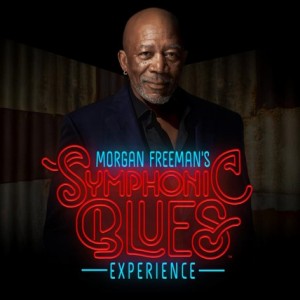
Oscar-winner Morgan Freeman brings his lifelong love of the Delta blues to this full-length collection, which comes on the heels of an immersive live touring production of the same name. Within the 12 songs on Morgan Freeman’s Symphonic Blues Experience, a century-long journey unfolds through the genre, tracing its history from Blind Willie Johnson’s 1927 masterpiece “Dark Was The Night, Cold Was The Ground” to “I Lied To You” from the soundtrack to the 2025 hit horror film Sinners. Joining Freeman, who serves as narrator (on the introductory track) and producer for this one-of-a-kind project, are blues luminaries Taj Mahal, Keb’ Mo’, Lawrence “Boo” Mitchell and Shemekia Copeland, along with some of Mississippi’s finest present-day players — many of whom are regulars at Ground Zero Blues Club, which Freeman co-founded 25 years ago in Clarksdale. They all gathered at Mitchell’s Royal Studios in Memphis to record the foundational tracks and vocals, and the Chineke! Orchestra, Europe’s pioneering majority-Black and ethnically diverse ensemble, recorded their sweeping, blues-sensitive instrumental contributions at Abbey Road Studios in London. It amounts to an extraordinary undertaking, with standout tracks including Son House’s 1965 hit “Death Letter Blues” featuring Taj Mahal on lead vocals and guitar; Super Chikan’s gritty take on the 1936 Robert Johnson classic “Crossroads”; and Copeland’s rocking version of Johnson’s “Traveling Riverside Blues.” 2027 touring dates for the live production of Morgan Freeman’s Symphonic Blues Experience, with pre-recorded narration by Freeman and cinema-quality visual augmentation, are expected to be announced later this year.