
By Frank Alkyer
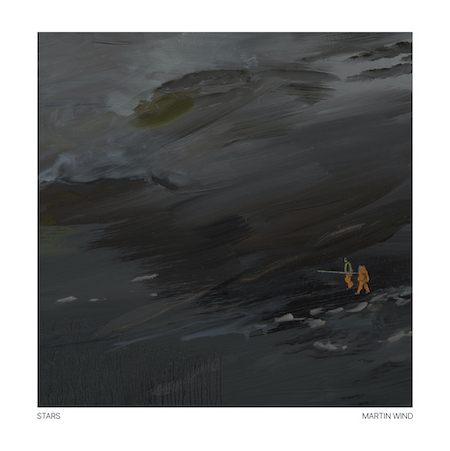
Bassist Martin Wind doesn’t play fair. In fact, he stacks the deck. And for that, we should all be happy. For his latest release, Stars (Newvelle), Wind enlists an A-list group of collaborators, including drummer Matthew Wilson, clarinetist Anat Cohen and pianist Kenny Barron. What? That’s right, the German-born Wind, who now lives in New York City, recruited three of the best musicians in jazz to join him on Stars.
As you might guess, the results are amazing. Wind has been collaborating with these talented artists and many more ever since moving to New York from Germany back in the 1990s, becoming a first-call sideman and a skilled leader in his own right.
With Stars, Wind leads off the new Newvelle Ten Collection, the first of five albums coming out on the label this year to celebrate its 10th anniversary. Stars sets the bar high for the collection with a combination of amazing musicianship and undoubted camaraderie.
The set kicks off with “Passing Thoughts,” a lesser-known tune by fellow bassist Aaron Bell, who performed with Duke Ellington, Billy Holiday, Buck Clayton and many others. It’s a slow groove that takes its sweet time with the blues. Kenny Barron thrills, filling space in just the right places with just the right sauce. Also thrilling are Anat Cohen’s flights, soloing with a facility that few can master on clarinet and a tone that flat-out kills it. Locking in the rhythm section, one can almost see Wilson and Wind, who are frequent collaborators, smiling, resulting in a delightful blues noir.
The set includes three beautiful tunes penned by Wind, including the sweet “Life” and “Moody,” a cooling tribute to the memory of saxophonist James Moody, with whom Wind had collaborated before the saxophonist passed away in 2010. But “Standing At The Window Waving Goodbye” is a favorite, an ode to his late grandmother. The tune oozes with wistful memories, a tune that’s both simple and complex, challenging the musicians to be restrained, yet creative.
Beyond these are two fine renditions of Ellington tunes. “Black Butterfly” has an old-school, modern charm — just easy and bright, a walk “on the sunny side of the street.” Wind walks the bass with a suave confidence. Wilson plays those brushes just so. Barron is majestic and Cohen romances the dickens out of the melody. “The Feeling Of Jazz” comes in as a masterful medium-tempo recreation of the Duke’s work.
Beyond that, Bud Powell’s “Wail” features Wind and Cohen magically doubling on the melody. “Pra Dizer a Deus,” by Edu Lobo, gives Wind an opportunity to play his bass with loving arco finesse. It then slips into a perfect small-club, cocktail listening experience fronted by Barron’s impeccable touch and Cohen’s gift of romancing a melody, especially a Brazilian melody, one of her favorite modes.
The set concludes with “Stars Fell From Alabama,” the Mitchel Parish/Frank Perkins chestnut made most famous by Ella Fitzgerald and Louis Armstrong. It serves as the perfect capper to this thoughtful, lovely album. The arrangement plays to the strengths of all three musicians on the tune (Wilson sits this one out) — Barron’s taste, exquisite; Cohen’s clarinet, flawless; and Wind’s bass line, rich with style, joy and grace.
Martin Wind may not play fair with this lineup of jazz ringers, and that’s better than good. He simply plays beautifully, as does the entire band on this tasty set.
Note: There are two terrific bonus tunes on the digital edition: “Blues With Two Naturals” written by Wind, Barron and Wilson; and “Marc’s Moments” by Wind.
Other forthcoming releases in the Newvelle Ten Collection include Landings by Ingrid Jensen (Feb. 27); Renee Said by Elan Mehler (March 17); Seer by Loren Stillman (April 24); and For All Your Flowers by Skúli Sverrisson with Bill Frisell (Aug. 1).
By Michael J. West
If the title has you looking for “Take My Hand Precious Lord” on organ in 12/8, this ain’t it. In fact, vibraphonist Joel Ross’ Gospel Music is nearly two-thirds through before it shows any of the traditional hallmarks of, well, gospel music. What we hear instead is Joel Ross music: contemplative, sometimes intricate, often moody 21st-century post-bop with subtle emotional colorings.
All that said, Gospel Music is a musical retelling of the Bible, placing an epigram up top (the thoughtfully patterned “Wisdom Is Eternal (For Barry Harris)”) before diving into an analogue of Genesis 1:1 (“Trinity (Father, Son And Holy Spirit)”) and continuing through Revelation (“Now And Forevermore”). But one need not know the Old Testament to recognize the troubled mien saxophonists Josh Johnson (alto) and Maria Grand (tenor) project on “Hostile,” corresponding to humanity’s growing corruption before the Flood — though schooling in jazz probably helps one recognize the echoes of Bud Powell’s “Tempus Fugit.” The transition into hope and peace offered by “The Sacred Place,” with Jeremy Corren’s gentle piano line over Kanoa Mendenhall and Jeremy Dutton’s light bass and drums. The album liners offer chapter-and-verse citations that provide perspective, but the message is clear without them.
In that final third, not only do the familiar gospel music tropes resound (beginning with the short but quietly joyful “A Little Love Goes A Long Way”), but so do vocals. Laura Bibbs offers soft plaintiveness on “Praise To You, Lord Jesus Christ”; Ekep Nkwelle brings stately grandeur to “Calvary”; guitarist Andy Louis quietly declaims in an intimate and profoundly moving duo with Corren on “The Giver.” Gospel Music is rewriting the rules of gospel music; these moments simply place it more firmly in our grasp.
By Ed Enright
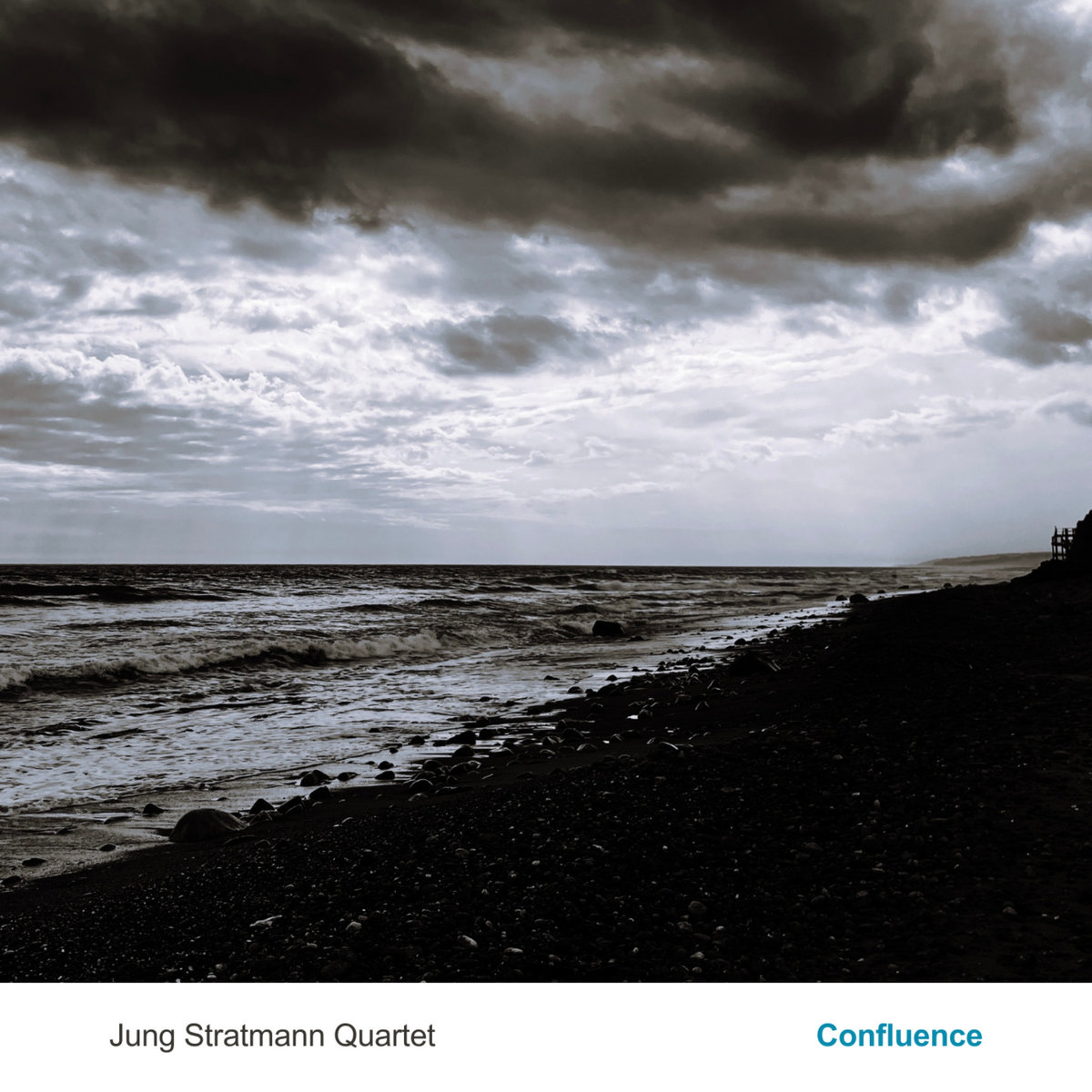
Korean pianist Sujae Jung and German bassist Wolf Robert Stratmann, known for their collaborative contemporary jazz recordings and live performances, expand their long-established New York-based duo into a quartet for their latest release with the inclusion of U.S. guitarist Steve Cardenas and Serbian drummer Marko Djordjevic. The result is a highly refined program of five nature-inspired original compositions that flow with intricate collective interplay while tapping the wealth of globe-spanning, genre-transcending musical influences engrained deep within these four exceptional artists, who converge as one unified spirit on this synergetic outing. Tellingly titled Confluence and recorded in front of an audience at the recently opened Second Take Sound Studio in Manhattan, the album has an authentic live record vibe that nicely complements the high-fidelity sound listeners have come to expect from Jung Stratmann projects. The album opens with a graceful, whirling group take on “Tree Huggers,” the title track of Jung and Stratmann’s recently released duo EP. “Summer Whale,” a sun-warmed, wave-riding composition in 5/4, is an older piece by the duo that makes its recording debut in this deep-water quartet setting. No strangers to the ebb-and-flow of rubato playing, Jung and Stratmann gently lead the way on an ethereal approach to the beautifully melancholic ballad “This Wine Tastes Very Dry.” A major highlight of Confluence is “The Pull,” a bright and joyful track with catchy melodic lines riding on mesmerizing ostinato bass patterns. A trio performance of Jung’s dreamlike “After Sunset,” another rubato ballad whose transcendent harmonies have the power to hold listeners rapt in reflection, cools convictions and elicits feelings of an enveloping dusk as the program draws to its natural conclusion.
By Frank Alkyer
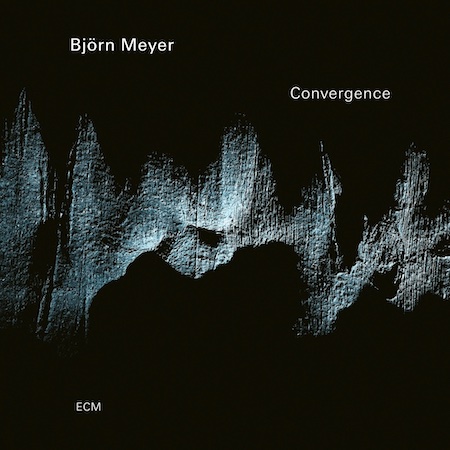
There are few bass players working with the breadth, scope, energy and beauty of Swedish-born Björn Meyer. Convergence is Meyer’s second “solo” album for ECM after working as a key contributor with bands led by Anouar Brahem, Nik Bärtsch and other notables. Solo is in quotes because Meyer — along with producer Manfred Eicher — uses overdubs and studio effects so brilliantly. “Convergence,” the title tune, is a delight of groove with intricate overdubbing employed to make this singular artist sound like a full-on band. “Hiver” follows, and what a beautiful lullaby. The bass is not often thought of as a melodic instrument, but in Meyer’s hands his acoustic and electric six-string instruments melt your heart with his meditative, thoughtful phrasing. Take, for example, the tune “Motion,” with its repetitive, rapid-fire groove punctuated by beeps that sound like a sonic scientist sending out a signal in search of life. Meyer offers elements of classical chops as evidenced on the lovely “On Hope,” twinges of the avant garde as offered on “Rewired,” a love for more worldly twists as witnessed on “Magnétique” and intense noir romance as presented on “Nesodden.” At 60, Meyer is in total control of his art, presenting this music with soul, intelligence, a tinge of mischief and a barrelful of love. If you like Convergence, go back and check out Provenance, his beautifully recorded 2017 solo bass release for ECM. Both of these works are great listening from a master of his craft.
By Michael J. West
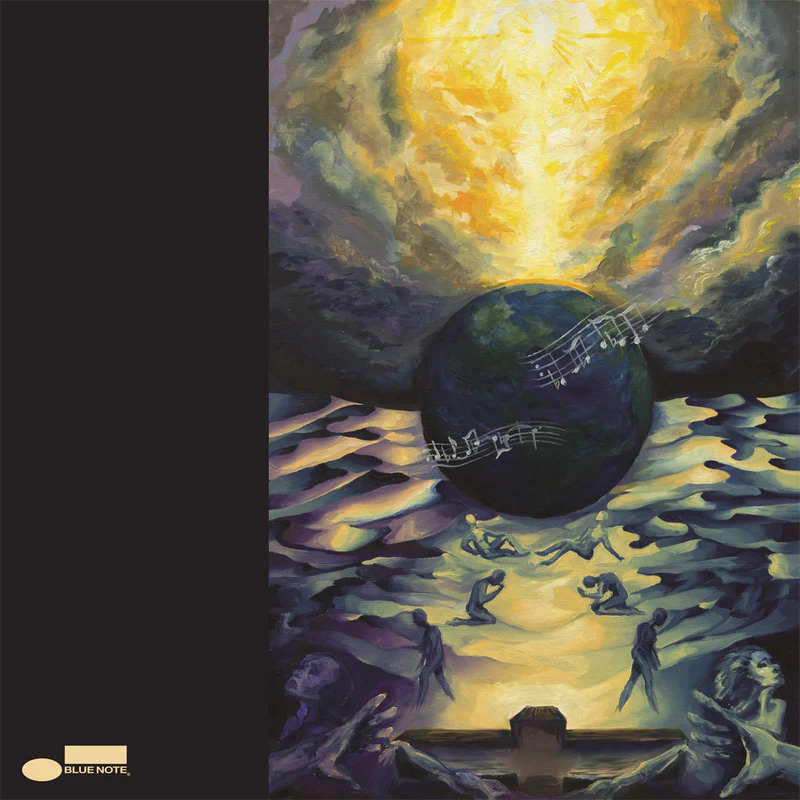
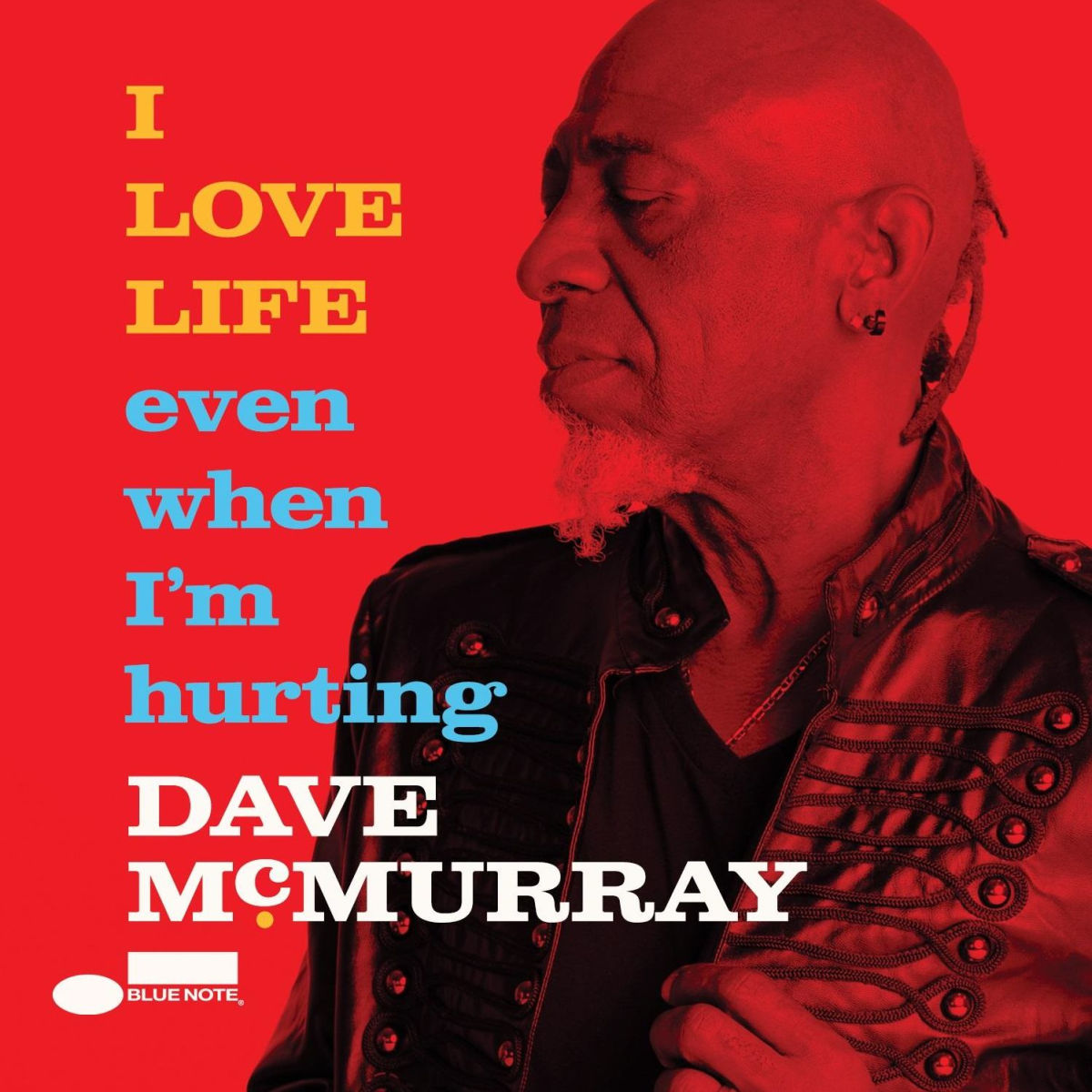
So much is happening on I LOVE LIFE even when I’m hurting that trying to figure out where to start leads to a serious paradox of choice. Detroit tenor man Dave McMurray has a lot to say, and, on his fourth album for Blue Note, a lot of ways to say it. Afrobeat (“The Jungaleers”), downtempo (“7 Wishes 4 G”), sexy slow jams (“We Got By”) and Caribbean grooves (“Find Your Peace (4 Tani)”) all have a place in this album’s wide lens. None of it sounds forced; all of it sounds fantastic.
There are many constants here as well. Accessible melody suffuses every corner of the album, even on pieces like “The Jungaleers” where the beat’s the thing. Add to that the tracks’ brevity (the two longest don’t quite break seven minutes), reservoirs of soul that won’t quit (most affectingly on the title track) and a passionate and relatable lead voice in McMurray’s tenor — more in common with Sonny Rollins and fellow Detroiter Joe Henderson than with his Oakland-born near namesake — and you’ve got something very close to a pop album. Or at least a populist jazz album, the kind Blue Note made in its Lion-Wolff heyday.
That, surely, was part of the intention. McMurray’s music also resonates with allusions to the overall jazz legacy (the opening sax-and-text “This Life” echoes Chalres Mingus’ “Scenes From The City” and Detroit’s specific legacy, from Henderson to Motown to techno. Its most profound throughline is the tight-yet-sprawling interface McMurray shares with his Motor City colleagues: guitarist Wayne Gerard, keyboardists Luis Resto and Maurice O’Neal, bassist Ibrahim Jones, drummer Jeff Canady, percussionist Mahindi Masai and vocalist Herschel Boon. Their magical convergence on the concluding “The Wheel” is one of the year’s final sublime musical moments.
By Ed Enright
Django New Orleans is guitarist Stephane Wrembel’s nine-piece special edition ensemble consisting of some of New York’s top jazz musicians, including Josh Kaye (guitar), Dion Berardo (guitar), David Langlois (washboard/percussion), Nick Driscoll (clarinet/soprano saxophone), Joe Boga (trumpet), Steven Duffy (tuba/sousaphone), Adrien Chevalier (violin), Scott Kettner (drums) and Sarah King (vocals). The group made its debut in November 2021 with eight shows at Dizzy’s Club in New York and shared its swing-to-second-line jubilation with the rest of the world on the acclaimed 2023 recording Django New Orleans. Now, with the release of Django New Orleans II: Hors-Série, Wremble and company continue to forge meaningful connections between the joyful party groove of New Orleans brass band culture with the fiery Gypsy spirit of Reinhardt’s Jazz Manouche. The 10-track recording includes fresh renditions of classic repertoire like Edith Piaf’s torch song “La Vie en Rose,” Astor Piazzolla’s “Libertango” and Antonio Carlos Jobim’s “Waters Of March” along with two original pieces by Wrembel: the passion-filled and angst-ridden “Holden Caulfield” and the gorgeously rueful “Ménage à Trois.” Wremble makes his debut as a singer here, adding his heartfelt, earnest vocals to two tracks: “La Javanaise” and “Le Poinçonneur des Lilas,” both by the French actor/singer-songwriter Serge Gainsbourg. Coming from one of the world’s most highly regarded Reinhardt specialists, Django New Orleans II: Hors-Série is an inspired sequel to Wremble’s adventurous celebration of historic material that reaches from France to Congo Square interpreted with just the right amount of tasteful, funky NOLA spirit and technical Sinti jazz guitar flash. Following a tour of Asia in January where he will perform in India, Korea, China and Japan, Wremble will bring his Django New Orleans group to The Kate in Old Saybrook, Connecticut (Feb. 12), Regattabar in Cambridge, Massachusetts (Feb. 13), The Woodland in Maplewood, New Jersey (May 13) and New York’s Symphony Space (May 15–16). His quartet will hit the road starting Feb. 19 with stops in Virginia, West Virginia, North Carolina, Tennessee, Georgia, New York, Illinois, Kansas and Michigan.