
By Michael J. West
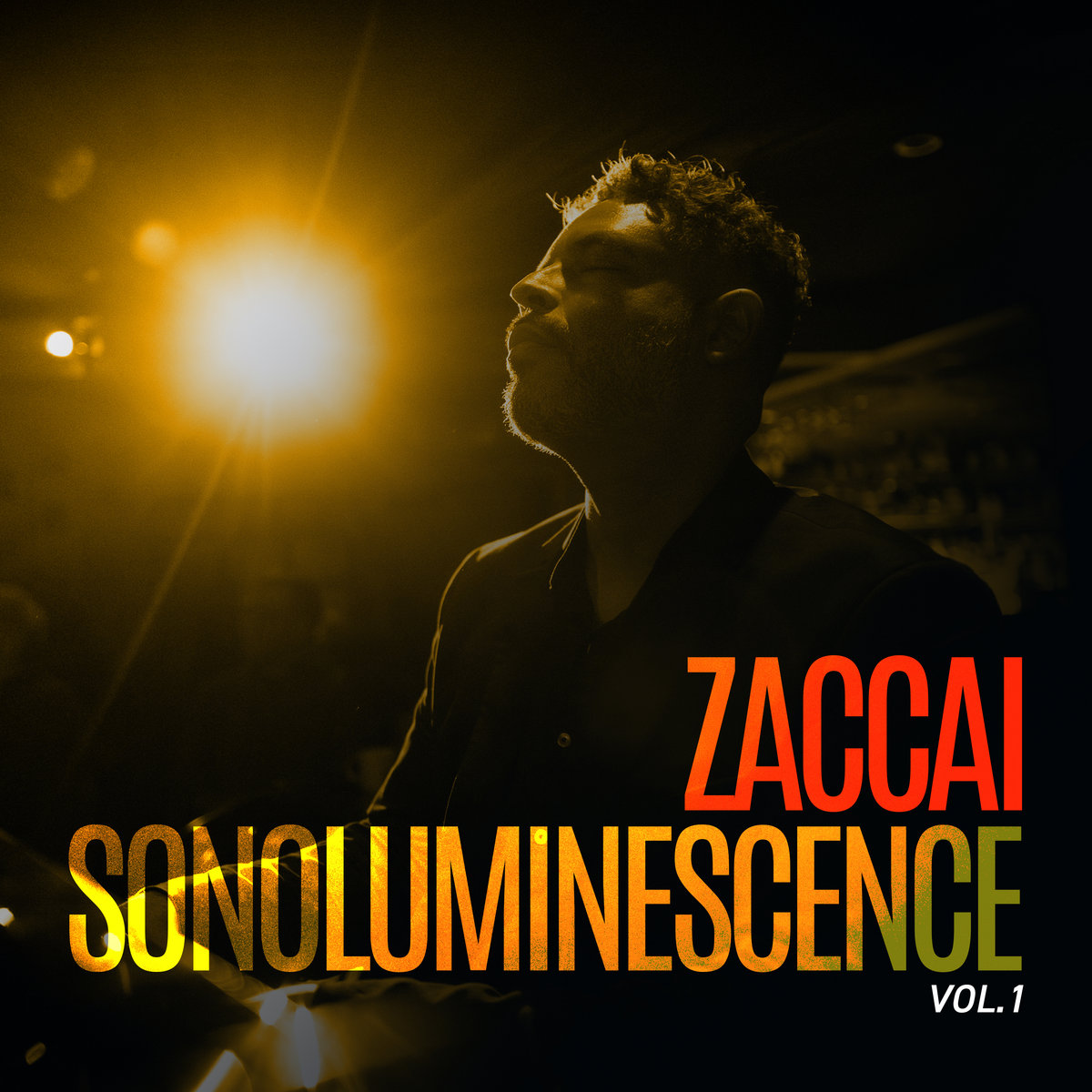
Where to begin? Truly, there are so many layers at play on pianist-keyboardist Zaccai Curtis’ latest that singling out a starting point is an overwhelming task.
Whole lineages of history and style seem to be happening at once. Most obviously, the Afro-Latin grooves that Curtis so deftly explored on 2024’s Cubop Lives intertwine with ’70s vintage funk-rock fusion. No surprise there. Some of the directions it takes from that point are also obvious: The Mahavishnu Orchestra/Brecker Brothers pastiche that drummer Joe Dyson and guest guitarist Aurelien Budynek drive on the epic “Message” is almost too perfect. (It works, though, not least because of their convincing zeal.) Ah, but it’s buttressed by acid-jazz implications on one side (“A Patient Resolve”), trip-hop and lounge-jazz gestures on the other (“I Want To Feel the Way You Move”). Saxophonist Craig Handy peppers the opening “Joust” with Charlie Parker quotes, stamps “Mayci’s Dream” with ominous soul-jazz figures and even takes some fierce M-Base-like runs on “Last Call.” Talk about intensive.
Appropriately, with this variety of sounds and feels comes a variety of moods. The stylistic shifts should give a glimpse of where these fall. There is, however, a specific tension that recurs throughout the album: that between percussionist Brevan Hampden, whose congas (primarily) simmer and continually threaten to turn things up to a boil, and Curtis, whose Fender Rhodes (primarily) offsets Hampden with cooler currents. Each sporadically gains the upper hand — on the penultimate “Wellspring,” Hampden recruits a searing Handy and Dyson to his team, and even seems momentarily to whip up Curtis (on piano) — but neither keeps it for long. The interchange is fascinating, and fun.
There are many more games afoot on Sonoluminescence; we haven’t even touched the alternating percussive and sinuous work of bassist Luques Curtis (Zaccai’s brother) and Mike Boone, or the deliciously weird synth strains that weave across the tracks. These and more, reader, await your own discovery.
By Frank Alkyer
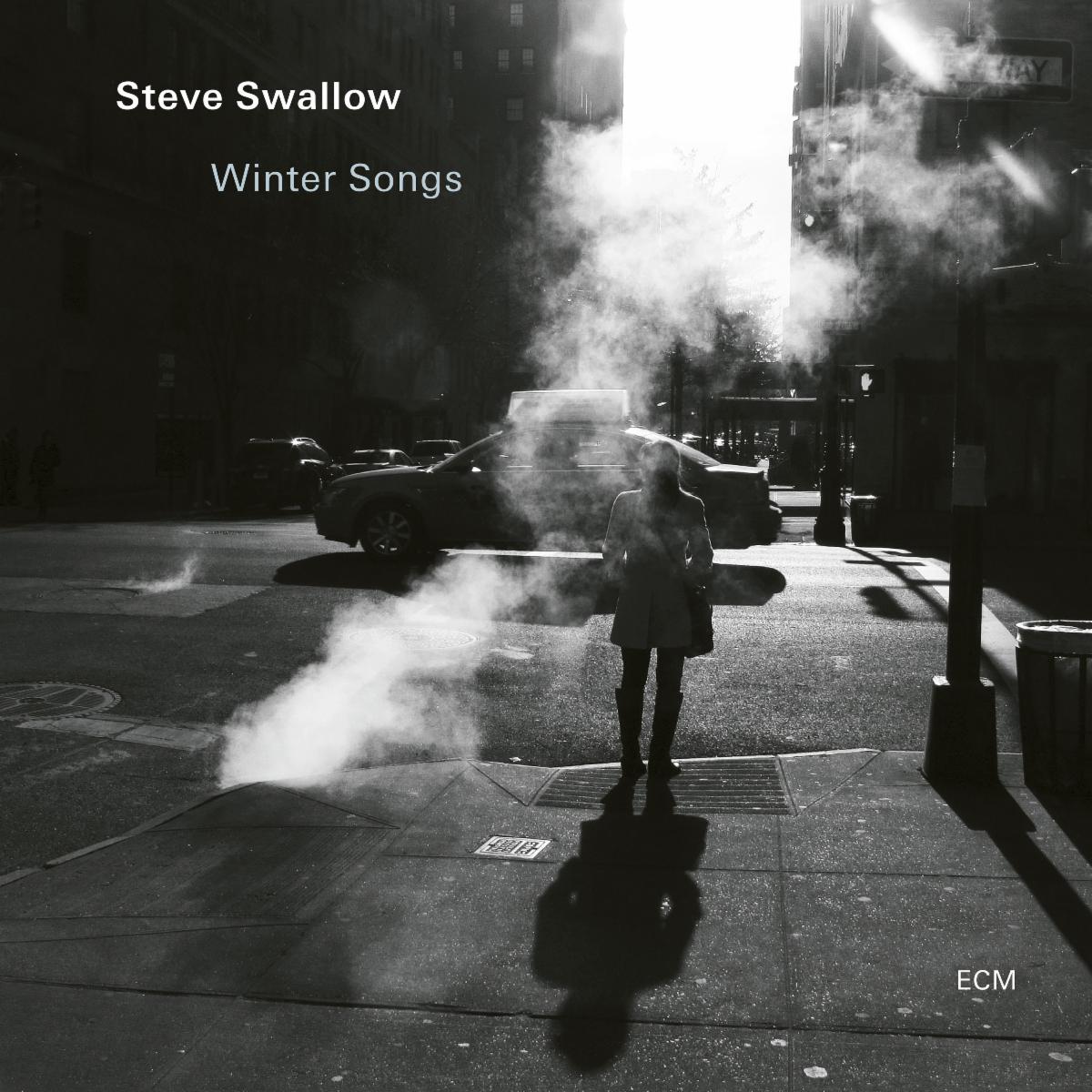
On Winter Songs, bassist Steve Swallow stirs feelings of late-night New York in a small club where the musicians are playing for their own souls and sanity as much as for an audience. It’s thoughtful music of truth, beauty and community brought forth by a stellar cohort of close friends. Chris Cheek beautifully lays it down the saxophone. Mike Rodriguez lopes in his clear, soulful tone on trumpet. Adam Nussbaum comes in as fluid and tasteful as ever on drums. Gil Goldstein adds just the right panache on piano. Steve Cardenas lays back to dramatic effect on guitar. And Swallow, for his part, holds it down perfectly on bass. This is a thoughtful ensemble cast, not a cutting contest of individual stars, and it’s a record this writer will be playing over and over again when the moon and the mood are just right. The tunes on Winter Songs are simply named by numbers “One” through “Nine.” Simplicity, directness, easy swinging yet thematically grand, the music flows so beautifully from one tune to the next, pulling at the heartstrings with a sense of well-worn, timeless nostalgia. On “Three,” Goldstein, Cardenas and Swallow offer a beautiful prayer of a ballad; notes played to let the melody breathe, and not one extra needed. “Six” picks up the tempo to an easy stroll featuring Cheek’s exquisite jazz-noir tenor work with the rhythm section digging deep into the groove before passing the baton to Rodriguez, perhaps the most underrated sideman in the music today. When Mr. Swallow steps out for the occasional solo, as he does on “Seven,” it’s a reminder of what a gift his art has been to the jazz world since his arrival on the scene, at the tender age of 20, with Jimmy Giuffre in 1960. With “Nine,” the album ends as it begins, a collective of artists locked into their thoughtful, heartfelt work, offering a respite from the noise outside. These are Winter Songs for any season.
By Ed Enright
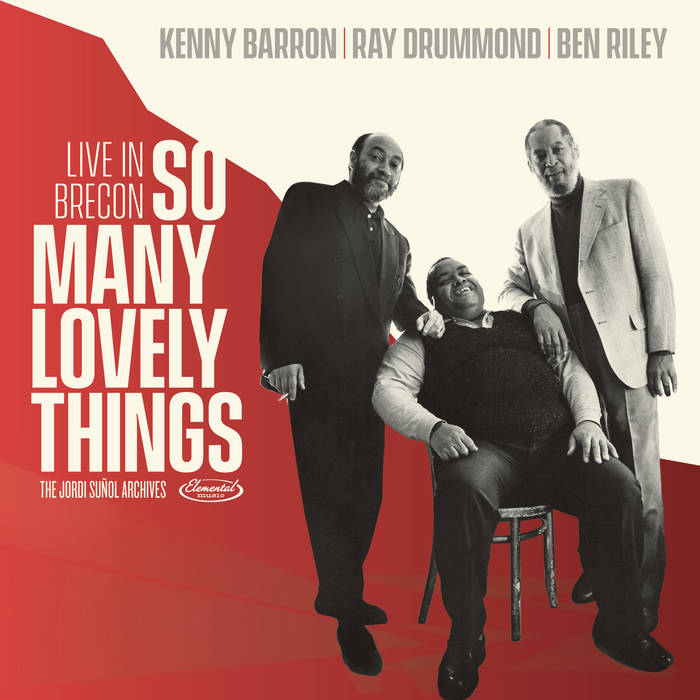
Why is it so relaxing to hear Kenny Barron double-time it through “Oh, Look At Me Now,” the opening track on this new archival concert release featuring the celebrated pianist with his onetime trio mates Ray Drummond and Ben Riley? Because he swings so hard and projects so much confidence, you can just feel the torrents of loveliness about to unfold — that’s why. Indeed, to immerse oneself in the group’s 105-minute performance, recorded live at the Brecon Jazz Festival in Wales, U.K., in August 1995, is to experience the epitome of straightahead jazz authenticity. Produced by Zev Feldman and Jordi Suñol, So Many Lovely Things is the fourth Barron-approved live album in the NEA Jazz Master’s discography of more than 50 recordings, and it serves as a rock-solid document of one of jazz’s most esteemed piano trios going for it and ultimately achieving true cohesion. As Barron once told DownBeat, “You’ve got to reach, whether you make it or not.” That’s exactly what’s going on here, and the group’s collective success in developing one speculative idea after another, while not surprising, is simply astounding to behold. Among a glorious litany of breathtaking moments, highlights from the 10 tracks on this two-LP/two-CD set include a spirited rendition of Freddie Hubbard’s “Up Jumped Spring” (Barron was a member of the late trumpeter’s band from 1967–’70), a touching performance of “Nikara’s Song” (written for Barron’s granddaughter) featuring a melodic Drummond bass solo, introspective musings on Barron’s ballad “Silent Rain” and a stride-meets-modern-jazz romp through Thelonious Monk’s “Shuffle Boil” (a showpiece of Barron’s live repertoire that he recorded on the 2016 studio album Book Of Intuition). Together, these three giants make a virtual trading floor of the festival stage, exchanging mature ideas and exploring ever-changing moods with finesse and ease, and occasionally attaining astounding heights of interactive excitement.
By Michael J. West
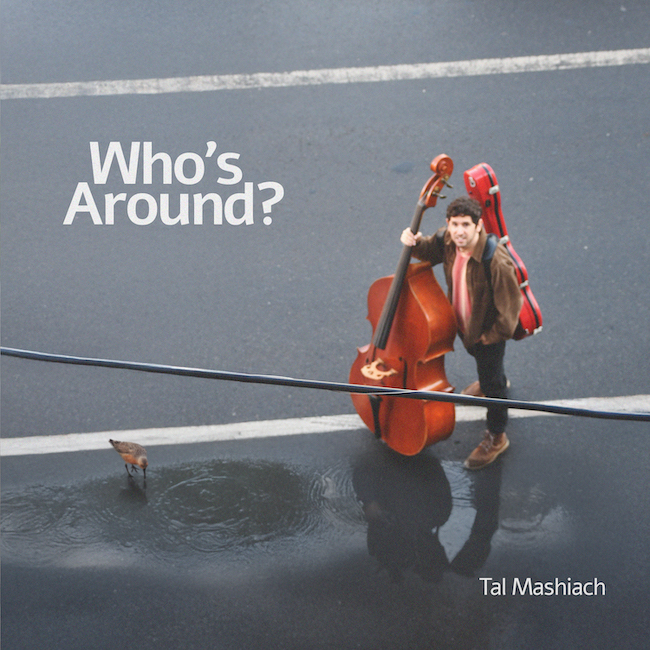
You know how on Bob Ross’ TV show, The Joy of Painting, each episode begins with a scroll of the colors on Bob’s palette for today’s piece? Who’s Around’s list of track titles and collaborators functions a bit like that, but with musical traditions standing in for color. Israeli, Brazilian, Greek, Georgian, Spanish and Puerto Rican sounds all find a place on guitarist/bassist Tal Mashiach’s second album, often in intriguing combinations. Jazz, to continue the painting metaphor, is the base hue.
The aforementioned combinations, though, are never as straightforward as they seem. Four of the four players on the opening “Titu,” for example — Mashiach (on guitar), pianist Gadi Lehadi, drummer Ofri Nehemya and guest clarinetist Ahat Cohen — are all Israeli. (Electric bassist Panagiotis Andreou hails from Greece.) The music, however, is all Brazilian, a bright and breezy samba that Cohen’s clarinet charges with characteristic warmth. The lovely “Ajaruli” delivers on the Georgian flavors promised by the title, as well as the presence of saxophonist/vocalist Khondzi and percussionist Elibo Imerlishvili … but so does a polyrhythmic vein with roots in West Africa. “Lama Ken Lo,” titled in Hebrew and featuring Puerto Rican percussionist Victor Pablo, cycles through blues-rock, metric-shifting post-bop, Afro-Cuban montuno (plus flute from guest Itai Kriss, another Israeli expat) and balls-to-the-wall funk.
There’s a lot going on, in short. And if the description comes off as a little bit of an ethnomusicology lecture, well, the music can seem that way, too. Yet it’s also fun and intoxicating. Do you care about the provenance of “Baião Mediterráneo” when it’s so danceable, with such gorgeous piano and guitar solos? Are there really more pressing matters in “Paco” than its long-note, yearning-toned trumpet and cello lines (by Itamar Borochov and Maya Belsitzman, respectively)? You can know that it’s masterfully executed world fusion while being more concerned about its feast for the ears and feet.
By Michael J. West
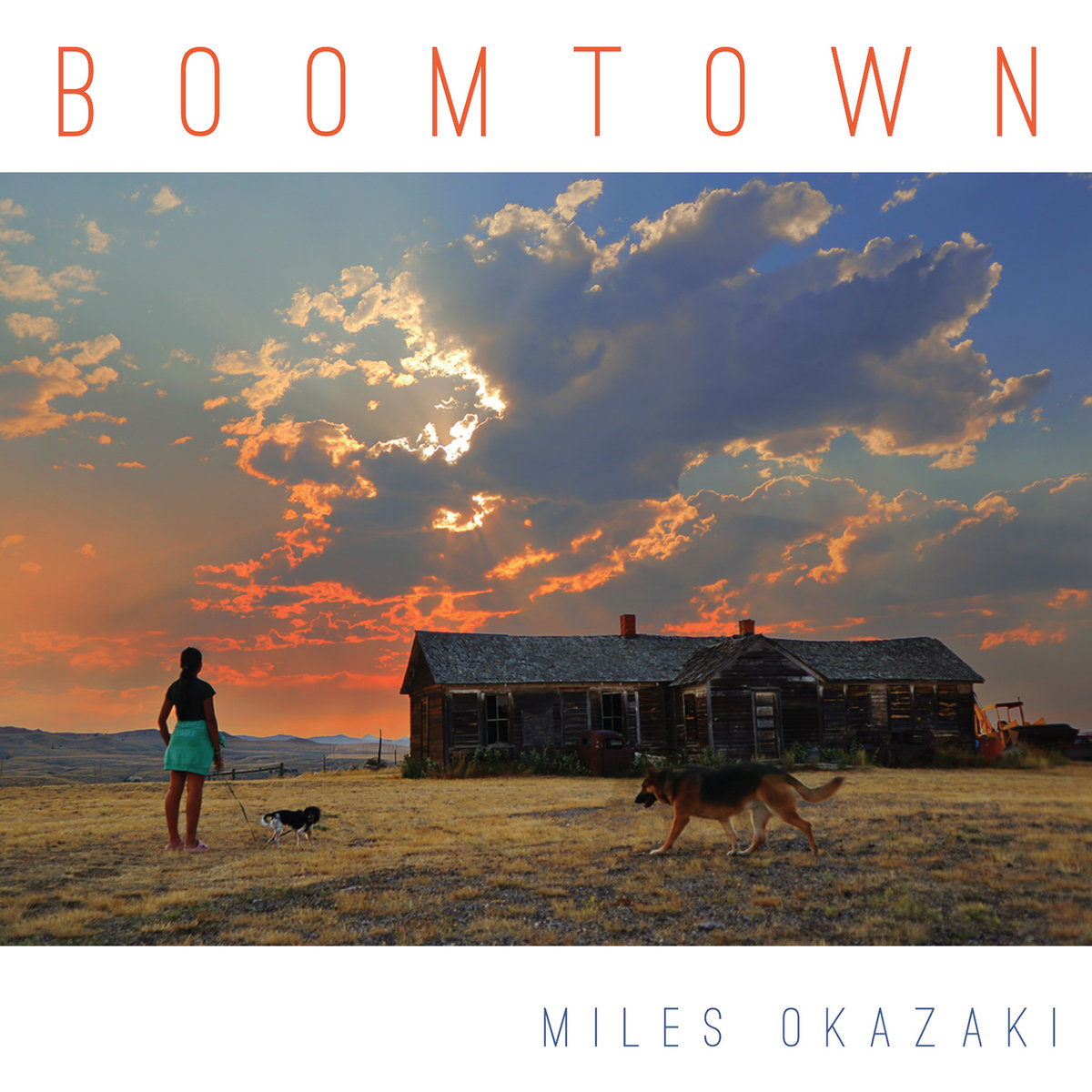
It’s hard to remember a time when so many jazz guitarists were making such exciting music. Miles Okazaki, whom this writer once watched make a fascinating solo out of parroting a nearby car alarm, is high on that list; that alone would make his 11th album, Boomtown, essential listening. But the caliber of the 10-piece ensemble he’s assembled for the album (half of whom — saxophonists Caroline Davis, Jon Irabagon and Anna Webber, trombonist Jacob Garchik and pianist Matt Mitchell — were on his previous release, 2024’s Miniature America) pushes it over the top.
Together, they make it a magnificent effort. Big though the ensemble is, it often reduces to two-person interactions with group accompaniment. Yet it’s still loaded with unique and surprising turns. I’m not sure, for the most obvious example, that I’ve ever heard another guitar-trombone feature before “Diamondville,” with Okazaki sensitively comping a tender, searching Kalia Vandever (and unsourced synth strains behind them). No less compelling, though, is “Recluse Road’s” determined back-and-forth between Okazaki and Irabagon (on tenor), with Mitchell and bassist Chris Tordini playing referee; nor the fearsome wrestling match between altoist Davis and the guitarist that is the nucleus of “Devils Tower.” The rest of the band serves as a ring for their match, though that ring becomes a swirling maelstrom. Not every face-off involves Okazaki; the central spar in “Ten Sleep” is between two bassists, Tordini and Hannah Marks.
Notably, drummer Dan Weiss tends to sit out these tête-à-têtes, even the group interplay that surrounds them. Yet he’s a vital element of the more fully arranged pieces, putting the foundational 6/4 pulse under the polyrhythmic “Thermopolis” and throwing a nagging, defiant beat into “Big Horn,” while being the most kinetic and improvisational figure on the glorious blast of “Grand Prismatic.” Okazaki knows how to use these brilliant musicians, singly or together. Best of all, though, is his own work, from the expressive chromatics of the opening “Magic Hour” to the buzzsaw drone of “Hole In The Wall” to the menacing growl of the closing “Ghost Town Girl.”
By Frank Alkyer
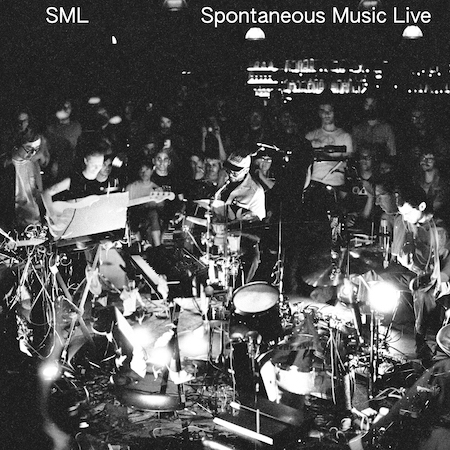
If you’re looking for some pulsating, full-metal-jacket instant improvisation, SML delivers and then some. The Los Angeles-based quintet has been thrilling audiences with its live shows, including a killer three-night, six-set residency at the Big Ears festival in Knoxville, Tennessee, last March. The group has built an enviable reputation since its debut in 2022 with Small Medium Large, followed by How You Been in 2025, both receiving lofty critical praise. But the band’s latest release, Spontaneous Music Live, offers the deepest understanding of why fans flood the floor to hear them. There are just two tracks, “The Drums” and “Roundabouts,” clocking in at 23:46 and 24:34 minutes, respectively. On “The Drums,” Booker Stardrum, appropriately the drummer, lays out an awe-inspiring wall of rhythm. Anna Butterss tucks in an incredibly tasteful, melodic bass grove. Saxophonist Josh Johnson wails over this sonic bed while keyboardist Jeremiah Chiu and guitarist Gregory Uhlmann float on a cloud of sound when the music turns from driving to atmospheric. “Roundabouts” begins with some muffled voices leading into what sounds like the beat and timbre of an alarm clock. Processed voices, electronics and sparse saxophone drops dance in and around. It’s one part art music, one part dance music — looping, hypnotic and cool. The music of Spontaneous Music Live feels like 2 a.m. on a Los Angeles freeway. There’s a noir edge to the music, drawing the listener in with irrepressible beats and layer upon layer of sound and nuance. There’s an element of, “Oh, I missed that before,” because there’s so much sound to take in. It’s an aural treat — jazz with a punk rock attitude and high-art complexity.