Sep 3, 2026 10:44 AM
In Memoriam: Cassandra Wilson, 1955–2026
Cassandra Wilson, a singer, songwriter and producer who was one of the most acclaimed and successful jazz vocalists of…


Baritone Sax great Nick Brignola died at the Albany Medical Center in Albany, N.Y., on Feb. 8, after a long battle with cancer. He was 65.
A big-toned baritone saxophonist whose greatest baritone influence was Harry Carney of the Duke Ellington band (who became his mentor), Brignola carved out his niche as perhaps the premier player of the big horn in the hard-bop mainstream of the music.
Brignola was born July 17, 1936, in Troy, N.Y. He studied at Ithaca College and Berklee and worked in the upstate New York region in the ‘50s with Herb Pomeroy and Reese Markewich, moved to the West Coast to play with Cal Tjader and the Mastersounds, then with Woody Herman’s band in 1963, followed by a stint with Sal Salvador in 1963-‘64.
In 1964, he moved back to his home area of Troy, Albany and Schenectady and began working with his own groups, had his own radio show and lectured and performed in area colleges. Since his sideman work with Ted Curson in 1967, Brignola largely led his own combos, recording for his own Priam label, then Beehive, Interplay, Sea Breeze, Discovery and, over more than the last decade, for Reservoir.
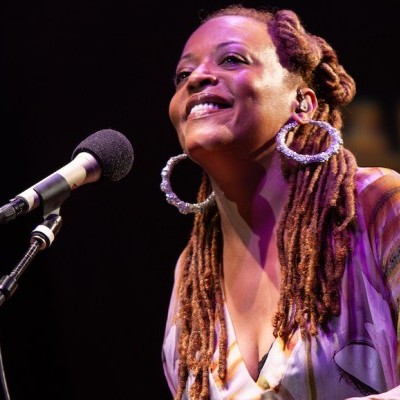
Wilson’s ability to connect to audiences helped her to win two Grammy awards and multiple other accolades. She was named an NEA Jazz Master in 2022.
Sep 3, 2026 10:44 AM
Cassandra Wilson, a singer, songwriter and producer who was one of the most acclaimed and successful jazz vocalists of…
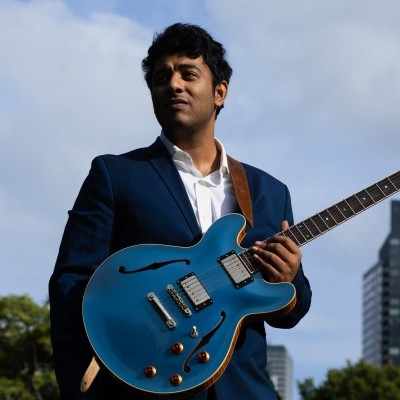
“The love from the jazz and music community restored my faith in humanity,” Walia wrote in an online post upon his release from detention at an ICE facility.
Aug 18, 2026 2:15 PM
Indian jazz guitarist and composer Pritesh Walia has been released after being unexpectedly detained by ICE and taken…
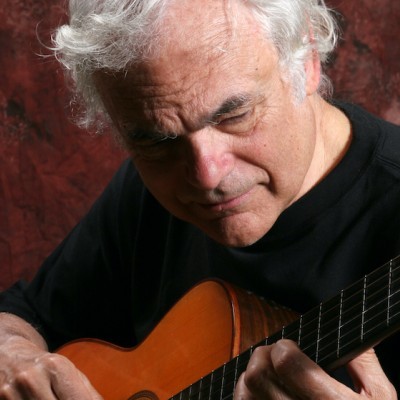
Bertoncini was a specialist and advocate for the nylon-string acoustic guitar, turning down high-profile opportunities that were unsuited to the sound and techniques that he used with that instrument.
Sep 1, 2026 11:06 AM
Gene Bertoncini, an esteemed jazz guitarist, composer, arranger and educator, died Aug. 29 at the Lillian Booth Actors…
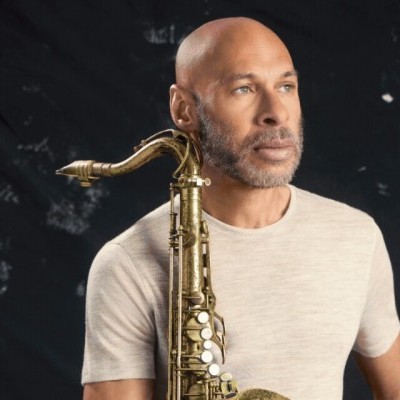
A solo concert by saxophonist Joshua Redman will close the first night of the Hyde Park Jazz Festival on Sept. 26.
Sep 22, 2026 12:26 PM
The Hyde Park Jazz Festival will take place for the 20th time on the final weekend of September 2026. Beginning half…
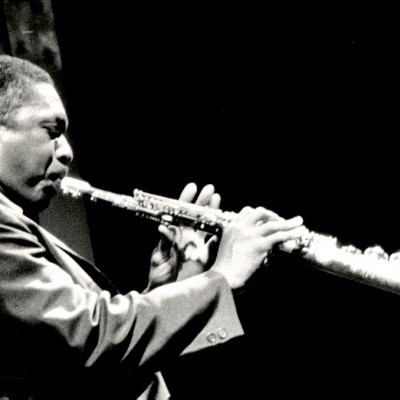
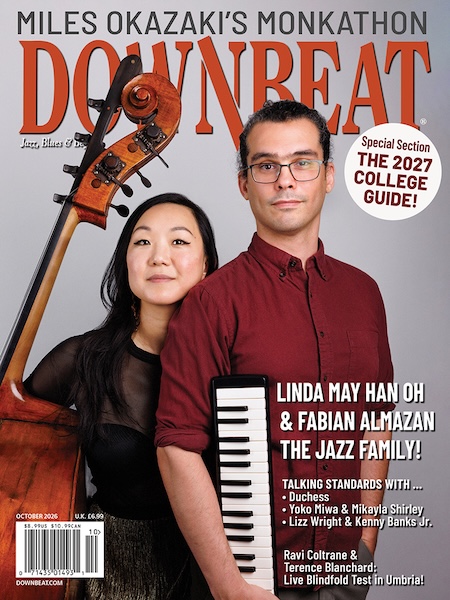
“It was just that suddenly … I could hear it,” Ravi Coltrane said of an epiphany he experienced during his late teens regarding his father’s music. “And it was almost like a calling, like something saying, ‘Hey, man, come on. It’s time to get serious.’ And the first time you really tune in and dial in and focus like that, it can be very life-changing.”
Sep 22, 2026 1:39 PM
Editor’s Note: Tomorrow, Sept. 23, is the 100th anniversary of John Coltrane’s birth. In honor of the tenor and…