Sep 3, 2026 10:44 AM
In Memoriam: Cassandra Wilson, 1955–2026
Cassandra Wilson, a singer, songwriter and producer who was one of the most acclaimed and successful jazz vocalists of…


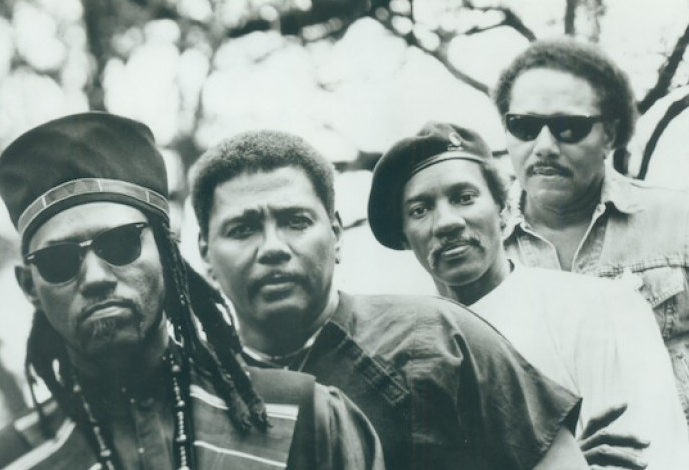
Cyril (left), Aaron, Charles and Art Neville, of the Neville Brothers, pose in a publicity portrait. Charles died on April 26 at age 79.
(Photo: Guzman/A&M Records/DownBeat Archives)Charles Neville, the saxophonist who achieved fame alongside his siblings in the Neville Brothers, died on April 26. He was 79. In January, the New Orleans native revealed that he had been battling pancreatic cancer.
His brother Aaron, a renowned vocalist, paid tribute on Facebook. Here are selected excerpts from his post: “My dear brother Charlie the horn man, just want you to know that if I would’ve had the choice of picking my brothers, I would definitely choose you. You were a great brother. You’ll always be in my heart and soul, like a tattoo. You helped to mold me into who I am today and I’ll always be thankful. I’ll always see your special infectious smile on the stage next to me, it would always give me a smile. …
“I know you have a spot in the heavenly band next to James Booker, James Black, Herbert Hardesty, Fats Domino, Johnny Adams [and] all the jazz bebop players who you turned me on to. Dizzy, Charlie Parker, Miles and the list goes on. …
“So dear horn man you take your well deserved rest with God in Heaven and play with the heavenly band. I know that you’re whole again.”
The Neville Brothers won a Grammy for the 1989 track “Healing Chant” in the category Best Pop Instrumental Performance. The track appears on the band’s album Yellow Moon, on which Charles contributed saxophone, percussion and vocals.
The New Orleans Jazz & Heritage Festival, which opens today, is an event with which the Neville family has been synonymous for decades.
This year’s festival—which runs through May 6—will, undoubtedly, include various tributes to a member of one of the most iconic families not only in New Orleans, but in all of popular music. DB
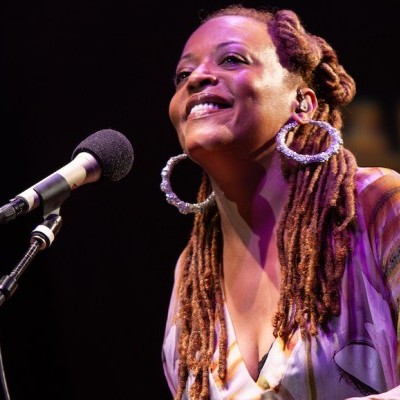
Wilson’s ability to connect to audiences helped her to win two Grammy awards and multiple other accolades. She was named an NEA Jazz Master in 2022.
Sep 3, 2026 10:44 AM
Cassandra Wilson, a singer, songwriter and producer who was one of the most acclaimed and successful jazz vocalists of…
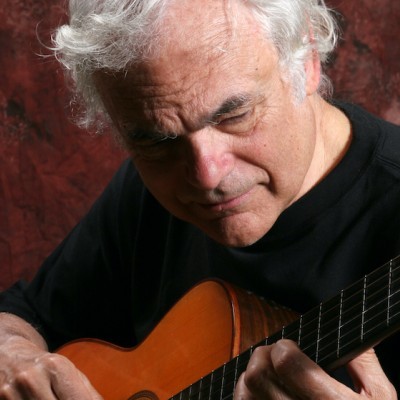
Bertoncini was a specialist and advocate for the nylon-string acoustic guitar, turning down high-profile opportunities that were unsuited to the sound and techniques that he used with that instrument.
Sep 1, 2026 11:06 AM
Gene Bertoncini, an esteemed jazz guitarist, composer, arranger and educator, died Aug. 29 at the Lillian Booth Actors…
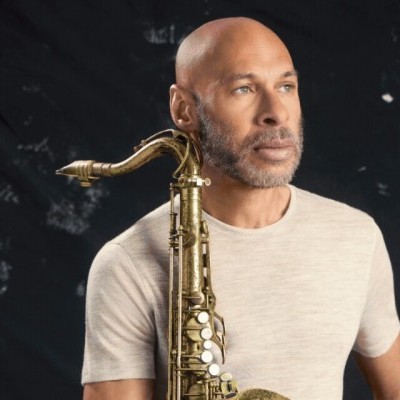
A solo concert by saxophonist Joshua Redman will close the first night of the Hyde Park Jazz Festival on Sept. 26.
Sep 22, 2026 12:26 PM
The Hyde Park Jazz Festival will take place for the 20th time on the final weekend of September 2026. Beginning half…
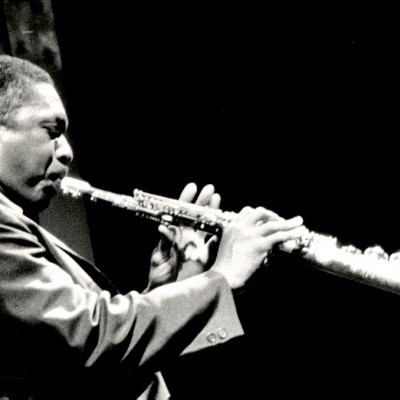
“It was just that suddenly … I could hear it,” Ravi Coltrane said of an epiphany he experienced during his late teens regarding his father’s music. “And it was almost like a calling, like something saying, ‘Hey, man, come on. It’s time to get serious.’ And the first time you really tune in and dial in and focus like that, it can be very life-changing.”
Sep 22, 2026 1:39 PM
Editor’s Note: Tomorrow, Sept. 23, is the 100th anniversary of John Coltrane’s birth. In honor of the tenor and…
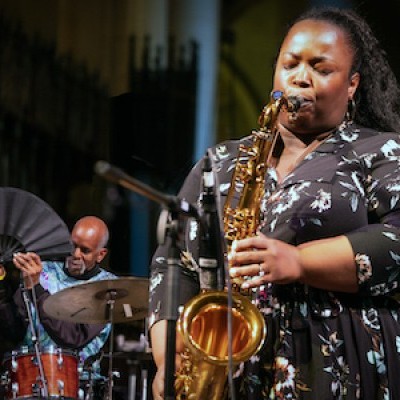
Camille Thurman took to the stage alongside bassist Kenny Davis and drummer Tommy Campbell for a rendition of Johnny Mercer’s “I’m An Old Cowhand” that recalled Rollins’ epochal 1957 trio outing Way Out West.
Oct 6, 2026 1:33 PM
As emcee Mark Ruffin noted at the commencement of an epic tribute to saxophonist Sonny Rollins at the Cathedral of…