Sep 3, 2026 10:44 AM
In Memoriam: Cassandra Wilson, 1955–2026
Cassandra Wilson, a singer, songwriter and producer who was one of the most acclaimed and successful jazz vocalists of…


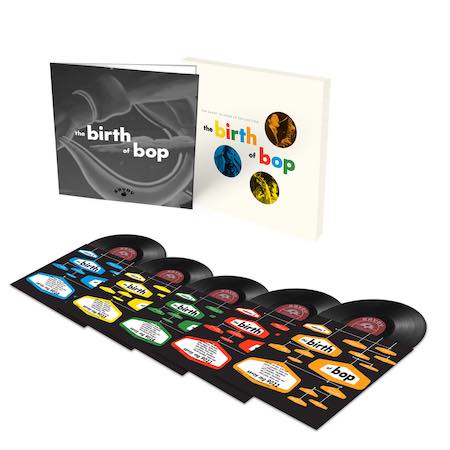
While being released in a variety of formats, this magnum opus of bop from Craft Recordings is truly one for vinyl lovers. A total of five LPs holding 30 bebop gems from one of the greatest jazz labels of the era, Birth gives new voice to the music of Charlie Parker, Dexter Gordon, Stan Getz, Milt Jackson, Fats Navarro and many more.
The box spans the second half of the 1940s, when bebop reigned supreme as well as a dividing line between the old guard and the new lions of jazz. The sound was raucous, rebellious, blistering and complex. The technical ability needed to perform it was astounding.
Many of the artists performing the new music had grown up playing in big bands. Bop was a direct challenge to the music of the day, pushing toward adventure while eschewing the sweet sounds and dance-friendly swing tempos associated with the big band era.
Into this scene, Savoy Records was established in 1942, soon diving headlong into the new music with the keen eyes and ears of A&R man, producer and promoter Teddy Reig. A music fan and tireless hustler, Reig was a fixture in New York’s jazz clubs, befriending many a rising star. He formed a partnership with the label and began to bring many of the foundational artists of bop to Savoy, often serving as the producer.
In the 10-inch vinyl format, the music in this collection breezes along, with only three cuts to a side. Volume 1, Side A, for example, features Charlie Parker’s “Romance Without Finance,” Dexter Gordon’s “Dexter’s Minor Mad” and J.J. Johnson’s “Jay Bird.” All of that in under nine minutes.
The Birth Of Bop: The Savoy 10-Inch LP Collection certainly isn’t a complete history of the era or the music, but it is a great introduction to those halcyon days viewed through the lens of one record company’s output. DB
(craftrecordings.com)
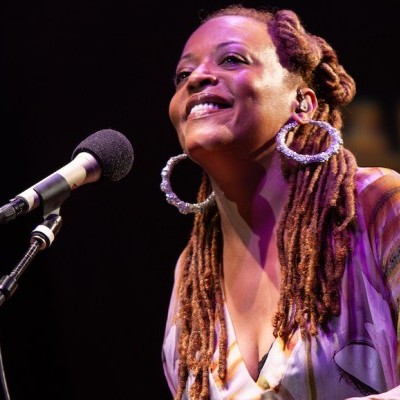
Wilson’s ability to connect to audiences helped her to win two Grammy awards and multiple other accolades. She was named an NEA Jazz Master in 2022.
Sep 3, 2026 10:44 AM
Cassandra Wilson, a singer, songwriter and producer who was one of the most acclaimed and successful jazz vocalists of…
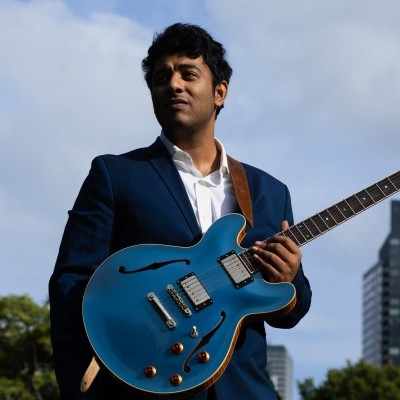
“The love from the jazz and music community restored my faith in humanity,” Walia wrote in an online post upon his release from detention at an ICE facility.
Aug 18, 2026 2:15 PM
Indian jazz guitarist and composer Pritesh Walia has been released after being unexpectedly detained by ICE and taken…
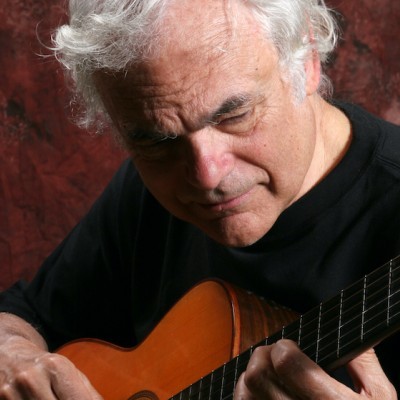
Bertoncini was a specialist and advocate for the nylon-string acoustic guitar, turning down high-profile opportunities that were unsuited to the sound and techniques that he used with that instrument.
Sep 1, 2026 11:06 AM
Gene Bertoncini, an esteemed jazz guitarist, composer, arranger and educator, died Aug. 29 at the Lillian Booth Actors…
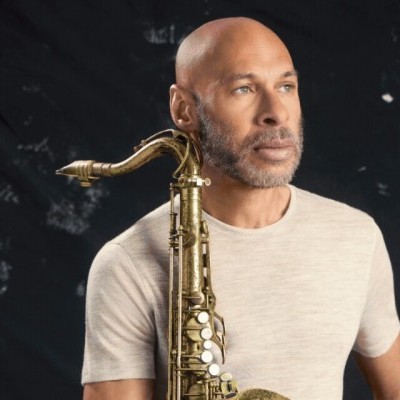
A solo concert by saxophonist Joshua Redman will close the first night of the Hyde Park Jazz Festival on Sept. 26.
Sep 22, 2026 12:26 PM
The Hyde Park Jazz Festival will take place for the 20th time on the final weekend of September 2026. Beginning half…
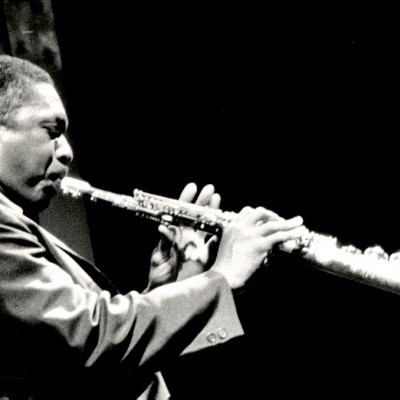
“It was just that suddenly … I could hear it,” Ravi Coltrane said of an epiphany he experienced during his late teens regarding his father’s music. “And it was almost like a calling, like something saying, ‘Hey, man, come on. It’s time to get serious.’ And the first time you really tune in and dial in and focus like that, it can be very life-changing.”
Sep 22, 2026 1:39 PM
Editor’s Note: Tomorrow, Sept. 23, is the 100th anniversary of John Coltrane’s birth. In honor of the tenor and…