Sep 3, 2026 10:44 AM
In Memoriam: Cassandra Wilson, 1955–2026
Cassandra Wilson, a singer, songwriter and producer who was one of the most acclaimed and successful jazz vocalists of…


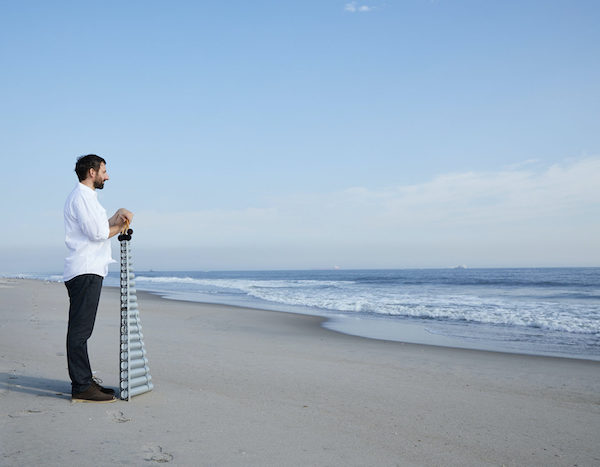
Chris Dingman’s latest release began as a way to ease his father’s discomfort as he died.
(Photo: Zachary Maxwell Stertz)A few weeks after he first heard his son playing in the basement, Joe was able to express how much the music had helped him, that it truly eased the ordeal of dying and started to “open up patterns of thought and being” for him. “He said the music was ‘designed’ to do that,” Dingman recalled his father saying.
The vibraphonist had no such designs in mind, but it’s easy to see how one could hear some evidence of a noble purpose.
For that reason, Dingman’s father felt it imperative that others receive this very same music therapy and began to give each of the pieces a name. Some of the titles are aspirational: “Life Without Pain” and the two-part “Healing Light.” One piece, which he named “Sky,” reminded Joe of a game he played as a boy, looking up and trying to discern what the clouds resembled. Together, the father and son decided on the album’s name, then Dingman found a friend to design some options for the album cover, and Joe made the final selection. Now that he was helping to create Peace, Joe had found another reason to keep living as long as he could.
Eventually, though, he slipped into unconsciousness, while his family kept playing the recordings he had cherished. Three days later—on July 16, 2018—Joe died, while listening to “Sky.”
Dingman hopes his album can now benefit others. He knows that because of COVID-19, many people are living out their final moments alone, afraid, confused, unable to breathe, and need something to bring them peace.
One day, the vibraphonist hopes to play for other people in hospice. But for now, Dingman’s found comfort in knowing that what he’s recorded still can be heard by people he might not know and cannot see. When he played in the basement for his father, he could not see him either. But he knew he was listening. Perhaps he still is. DB
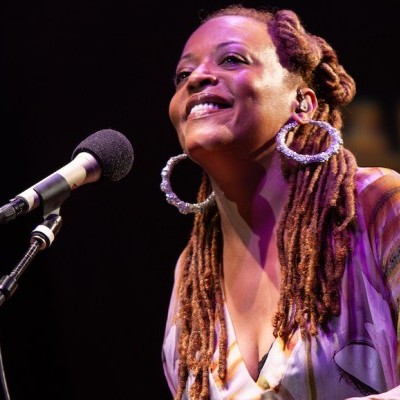
Wilson’s ability to connect to audiences helped her to win two Grammy awards and multiple other accolades. She was named an NEA Jazz Master in 2022.
Sep 3, 2026 10:44 AM
Cassandra Wilson, a singer, songwriter and producer who was one of the most acclaimed and successful jazz vocalists of…
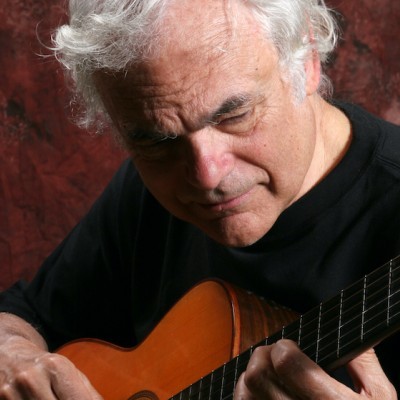
Bertoncini was a specialist and advocate for the nylon-string acoustic guitar, turning down high-profile opportunities that were unsuited to the sound and techniques that he used with that instrument.
Sep 1, 2026 11:06 AM
Gene Bertoncini, an esteemed jazz guitarist, composer, arranger and educator, died Aug. 29 at the Lillian Booth Actors…
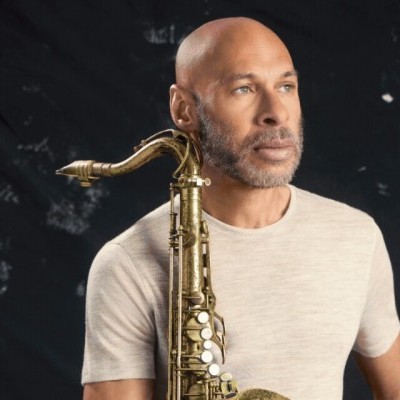
A solo concert by saxophonist Joshua Redman will close the first night of the Hyde Park Jazz Festival on Sept. 26.
Sep 22, 2026 12:26 PM
The Hyde Park Jazz Festival will take place for the 20th time on the final weekend of September 2026. Beginning half…
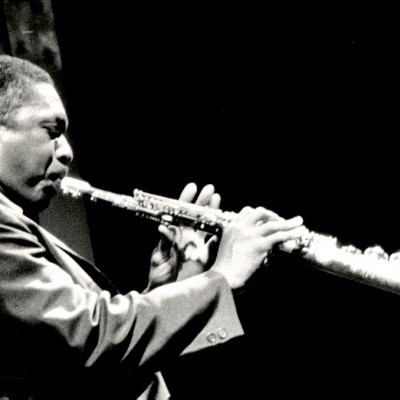
“It was just that suddenly … I could hear it,” Ravi Coltrane said of an epiphany he experienced during his late teens regarding his father’s music. “And it was almost like a calling, like something saying, ‘Hey, man, come on. It’s time to get serious.’ And the first time you really tune in and dial in and focus like that, it can be very life-changing.”
Sep 22, 2026 1:39 PM
Editor’s Note: Tomorrow, Sept. 23, is the 100th anniversary of John Coltrane’s birth. In honor of the tenor and…
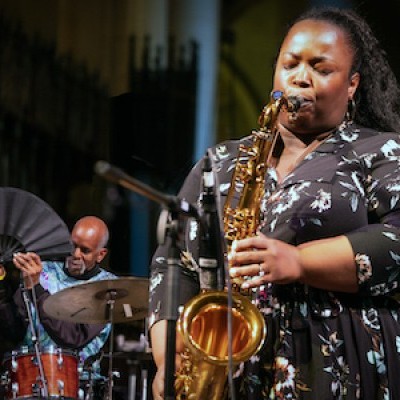
Camille Thurman took to the stage alongside bassist Kenny Davis and drummer Tommy Campbell for a rendition of Johnny Mercer’s “I’m An Old Cowhand” that recalled Rollins’ epochal 1957 trio outing Way Out West.
Oct 6, 2026 1:33 PM
As emcee Mark Ruffin noted at the commencement of an epic tribute to saxophonist Sonny Rollins at the Cathedral of…