Sep 3, 2026 10:44 AM
In Memoriam: Cassandra Wilson, 1955–2026
Cassandra Wilson, a singer, songwriter and producer who was one of the most acclaimed and successful jazz vocalists of…


A reporter who interviewed Louis Armstrong in 1957, when the trumpeter famously criticized President Dwight Eisenhower over civil rights issues, will be on hand at a New York library next week to discuss the historic moment.
Larry Lubenow, who was writing for the Associated Press at the time, is speaking publicly for the first time about the interview, which he says was even more charged than his article showed. In the story, Armstrong called the president “two-faced” because of his civil rights policies, especially in connection with the infamous Little Rock Nine crisis. He also revealed that he was canceling his state-sponsored Russian tour to protest.
Vanity Fair editor David Margolick will interview Lubenow at the Langston Hughes Community Library in Queens on Tuesday at 7 p.m. The event is free, and it is being sponsored by the Louis Armstrong House Museum, also in Queens.
For more information, see satchmo.net.
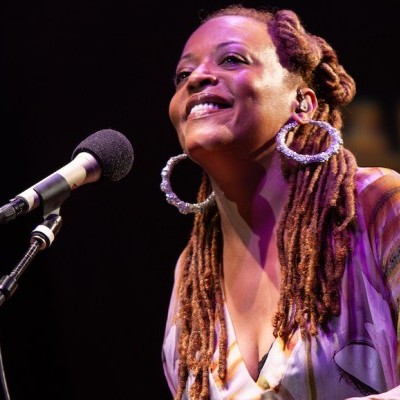
Wilson’s ability to connect to audiences helped her to win two Grammy awards and multiple other accolades. She was named an NEA Jazz Master in 2022.
Sep 3, 2026 10:44 AM
Cassandra Wilson, a singer, songwriter and producer who was one of the most acclaimed and successful jazz vocalists of…
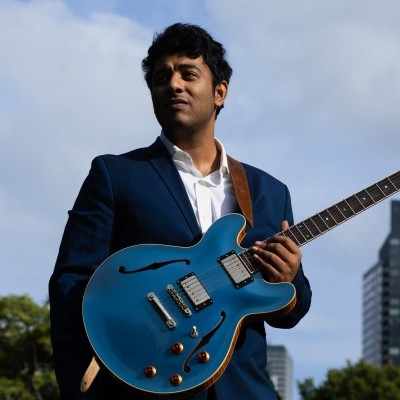
“The love from the jazz and music community restored my faith in humanity,” Walia wrote in an online post upon his release from detention at an ICE facility.
Aug 18, 2026 2:15 PM
Indian jazz guitarist and composer Pritesh Walia has been released after being unexpectedly detained by ICE and taken…
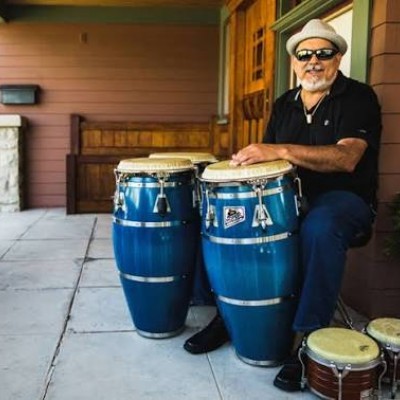
Percussionist Poncho Sanchez was among the artists scheduled to perform at the now-canceled inaugural LA Jazz Festival.
Aug 11, 2026 12:53 PM
The inaugural LA Jazz Festival, originally scheduled to run Aug. 7–23 with dozens of events across Los Angeles’…
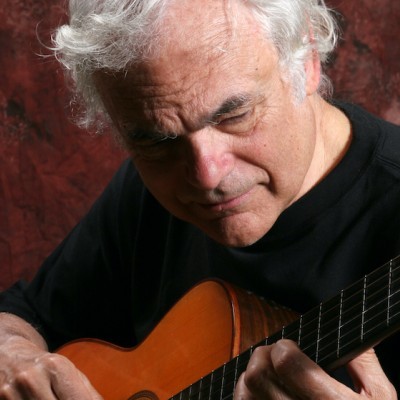
Bertoncini was a specialist and advocate for the nylon-string acoustic guitar, turning down high-profile opportunities that were unsuited to the sound and techniques that he used with that instrument.
Sep 1, 2026 11:06 AM
Gene Bertoncini, an esteemed jazz guitarist, composer, arranger and educator, died Aug. 29 at the Lillian Booth Actors…
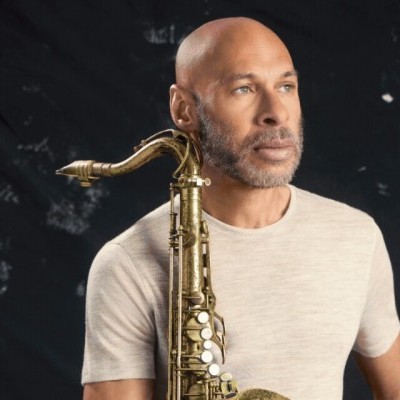
A solo concert by saxophonist Joshua Redman will close the first night of the Hyde Park Jazz Festival on Sept. 26.
Sep 22, 2026 12:26 PM
The Hyde Park Jazz Festival will take place for the 20th time on the final weekend of September 2026. Beginning half…