Sep 3, 2026 10:44 AM
In Memoriam: Cassandra Wilson, 1955–2026
Cassandra Wilson, a singer, songwriter and producer who was one of the most acclaimed and successful jazz vocalists of…


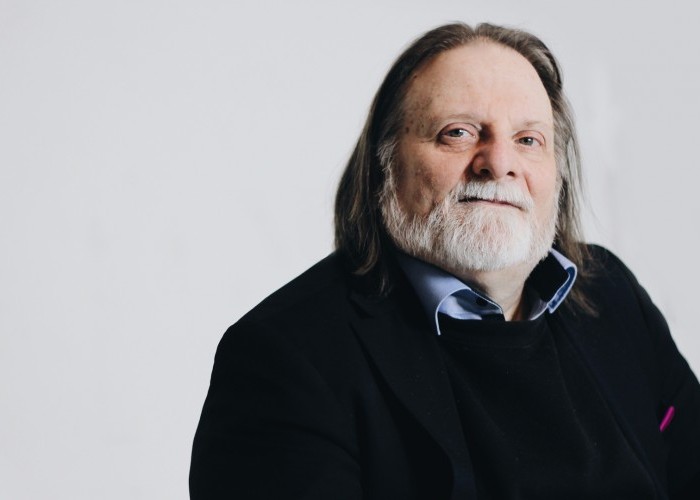
Richie Beirach was particularly renowned for his approach to chromatic harmony, which he used to improvise reharmonizations of originals and standards.
(Photo: Courtesy NEU)Richie Beirach, a pianist and composer who channeled a knowledge of modern classical music into his jazz practice, creating a distinctive and highly original style, died Jan. 26 at a hospital in Worms, Germany. He was 78.
His death was confirmed by Lydia Liebman, a publicist and longtime family friend. Cause of death was complications due to a long illness and hospitalization. Beirach had been afflicted with health problems for several years; a 2024 GoFundMe campaign was established to benefit his medical and other financial expenses.
Beirach was best known for his work with saxophonist Dave Liebman, with whom the pianist frequently collaborated for more than five decades, including in the bands Lookout Farm and Quest. He also worked frequently bassist George Mraz and Billy Hart (with whom he led a trio) and with violinist Gregor Huebner (who joined Beirach and Mraz in another trio), although he maintained a thriving practice as a solo pianist as well.
Beirach was particularly renowned for his approach to chromatic harmony, which he used to improvise reharmonizations of the tunes he played (both originals and standards). It was a complex, somewhat abstruse conception that proved highly influential to the generations of pianists that followed — but after an initial success in the 1970s, Beirach remained generally a musician’s musician, the domain of fellow players and aficionados.
“When you’re young, the whole world is trying to get you to sound like someone else so they can market you,” Beirach said in a 2021 conversation with writer Michael Lake. “Along the way, a lot of American booking agents and record company people would call me and say, ‘Hey, Richie, we need a young guy to play like Horace Silver or Monk. Are you interested? We can pay you.’ And I would say, ‘Listen, man, thank you for the call, I’m honored, but I do have my own music.’ They said, ‘Yeah, yeah, we know you have your own music, but you wanna make some money?’ So I would say, ‘No, not if I have to sell my ass!’”
Richard Alan Beirach was born May 23, 1947, in Brooklyn, New York, to Irving and Beatrice Beirach. He began playing piano at age 5 and studied classical piano until he was 13, when the discovery of Red Garland’s playing converted him to jazz. He then studied with Lennie Tristano during his high school years. He then spent a year at Berklee College of Music in Boston before transferring to Manhattan School of Music, allowing him to enter the New York jazz scene. He earned a master’s degree from MSM in 1972, and also joined Stan Getz’s quartet.
Beirach’s breakthrough came when he joined Lookout Farm, an early pioneer in the jazz fusion sound led by saxophonist Dave Liebman. The band not only established his long musical partnership with Liebman, but the recording of their debut album brought Beirach to the attention of ECM Records head Manfred Eicher. Beirach recorded his first album as a leader, the trio date Eon, on ECM in 1974.
Beirach freelanced regularly throughout the ’70s, also maintaining ongoing collaborations with Liebman, trumpeter Chet Baker, guitarists John Scofield and John Abercrombie and flutist Jeremy Steig. He began working with Mraz in the 1980s (with whom he, Liebman and drummer Al Foster founded Quest) and also became increasingly focused on work as a solo pianist in the ’80s and ’90s. In 2000, he moved to Germany to take a job as a professor of jazz piano at the University of Music and Theater in Leipzig, Germany, continuing his performing career there with Huebner as a primary collaborator.
Beirach was also an accomplished jazz educator. He maintained his professorship for 15 years. With Lake, he co-wrote four books: including Teaching and Learning Jazz; A Framework for Jazz Mastery; The Lineage of Modern Jazz Piano; and Great Art & Commercial Success.
He continued his musical career after retiring from university in 2015, but in the 2020s Beirach faced a series of health challenges that curtailed his ability to play. In 2022, he recorded Testaments, a set of duos and trios with Huebner and his bassist brother Veit, to mark his 75th birthday; the following year’s album The World Within, by a quartet he co-led with saxophonist Reiner Witzel, was Beirach’s final release.
Beirach had no living immediate family; however, he is survived by his lifetime musical collaborator and former spouse, pianist LeeAnn Ledgerwood. DB
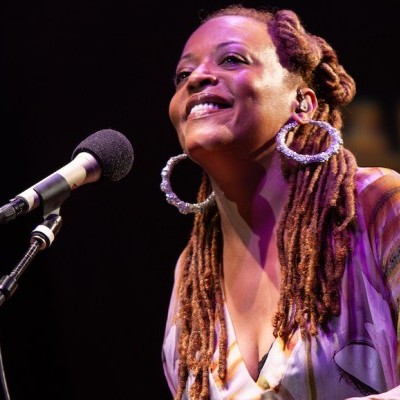
Wilson’s ability to connect to audiences helped her to win two Grammy awards and multiple other accolades. She was named an NEA Jazz Master in 2022.
Sep 3, 2026 10:44 AM
Cassandra Wilson, a singer, songwriter and producer who was one of the most acclaimed and successful jazz vocalists of…
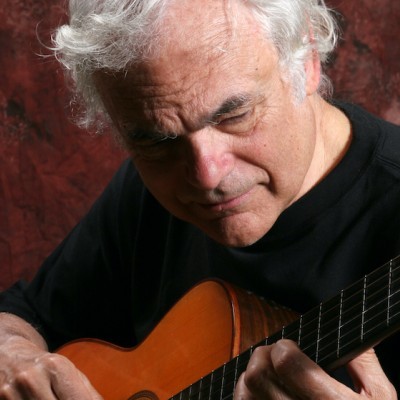
Bertoncini was a specialist and advocate for the nylon-string acoustic guitar, turning down high-profile opportunities that were unsuited to the sound and techniques that he used with that instrument.
Sep 1, 2026 11:06 AM
Gene Bertoncini, an esteemed jazz guitarist, composer, arranger and educator, died Aug. 29 at the Lillian Booth Actors…
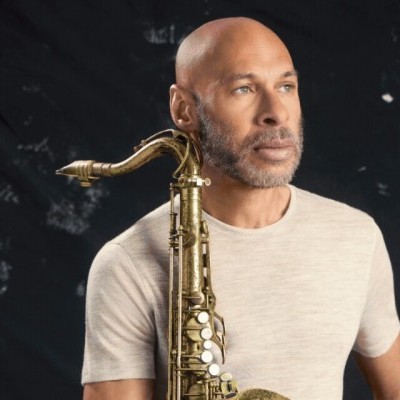
A solo concert by saxophonist Joshua Redman will close the first night of the Hyde Park Jazz Festival on Sept. 26.
Sep 22, 2026 12:26 PM
The Hyde Park Jazz Festival will take place for the 20th time on the final weekend of September 2026. Beginning half…
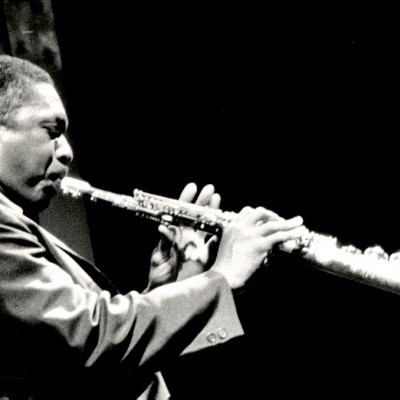
“It was just that suddenly … I could hear it,” Ravi Coltrane said of an epiphany he experienced during his late teens regarding his father’s music. “And it was almost like a calling, like something saying, ‘Hey, man, come on. It’s time to get serious.’ And the first time you really tune in and dial in and focus like that, it can be very life-changing.”
Sep 22, 2026 1:39 PM
Editor’s Note: Tomorrow, Sept. 23, is the 100th anniversary of John Coltrane’s birth. In honor of the tenor and…
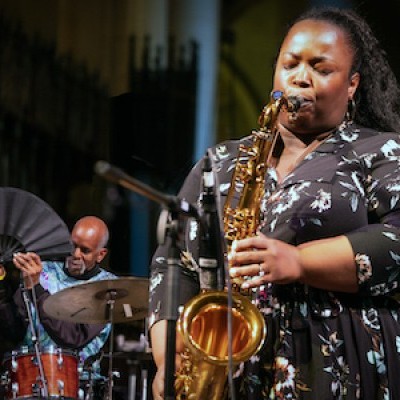
Camille Thurman took to the stage alongside bassist Kenny Davis and drummer Tommy Campbell for a rendition of Johnny Mercer’s “I’m An Old Cowhand” that recalled Rollins’ epochal 1957 trio outing Way Out West.
Oct 6, 2026 1:33 PM
As emcee Mark Ruffin noted at the commencement of an epic tribute to saxophonist Sonny Rollins at the Cathedral of…