Sep 3, 2026 10:44 AM
In Memoriam: Cassandra Wilson, 1955–2026
Cassandra Wilson, a singer, songwriter and producer who was one of the most acclaimed and successful jazz vocalists of…


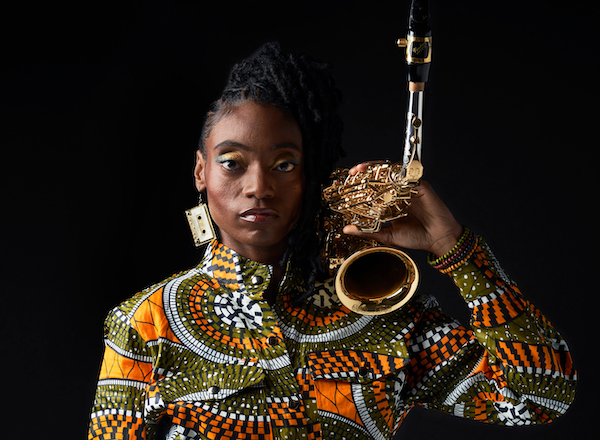
Lakecia Benjamin’s latest album features compositions by Alice Coltrane and John Coltrane.
(Photo: Elizabeth Leitzell)However, aside from the sung prayers and spoken-word sections, the album doesn’t contain any text. This was not Benjamin’s first idea, which was to include original lyrics by powerhouse vocalist Bridgewater on “Acknowledgement.” She and Benjamin even recorded the track with lyrics, before doubling back to re-record it with a vocalese segment.
“We found out that the estate doesn’t allow any lyrics to Coltrane’s music at all,” explained Bridgewater in a phone conversation from her home in New Orleans.
But no harm: Bridgewater’s skilled improvisation on the tune only magnified its timeless musicality. And, luckily, Benjamin has some of the best vocal improvisers around on her first-call list. Jazzmeia Horn scatted effortlessly on John Coltrane’s “Central Park West” for the album, and Charenée Wade stepped up to do the same at the LPR concert.
As Benjamin learned, toeing the line between creative interpretation and copyright violation is just one of the risks that performing artists face in their efforts to honor the masters of their craft. Another is the threat of comparison with those same masters. Workman issued a word of caution, however, about any such comparisons between Benjamin and the Coltranes.
“This music is in her blood, and [through the Coltrane material] she’s finding a way to tell a similar story. John Coltrane would be upset if we did his work the same way that he did 65 years ago,” Workman remarked, going on to point out Benjamin’s smarts when it comes to contemporary music. “Her ears are open, and her roots are firmly planted. This album is her way of saying where her roots are. Firmly planted and waiting to grow.”
Like Workman, Bridgewater also sees signs of Benjamin’s tremendous possibilities, not just for artistic growth, but for success in the music industry. “The word for Lakecia is ‘fierce.’ She’s really, really powerful as a player,” she said. “I think the sky’s the limit for her.”
For the time being, though, whatever successes might lie ahead, Benjamin finds in the work of the Coltranes a template for how she’d like her life to be, both artistically and personally. “I was looking to get closer not just to their music, but to what they meant when they talked about a spiritual life,” she said. “I strive to be in a place where I can be whole within myself, where every note I play is touching somebody on a deeper level. So, the album is called Pursuance because I’m still striving to get to that place. Aesthetically, I’m trying to get to heaven every time I play.”
After she launches Pursuance at Jazz at Lincoln Center on March 11–12, Benjamin will spend some of the spring touring Europe and the States. But when asked about her upcoming plans, she mentions only one: a meeting with bebop vocal legend Sheila Jordan, 91.
“She knew Charlie Parker,” Benjamin said, excitedly. She’s looking forward to hearing all about him from someone who was there. DB
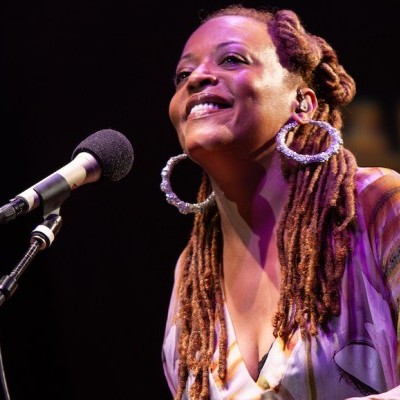
Wilson’s ability to connect to audiences helped her to win two Grammy awards and multiple other accolades. She was named an NEA Jazz Master in 2022.
Sep 3, 2026 10:44 AM
Cassandra Wilson, a singer, songwriter and producer who was one of the most acclaimed and successful jazz vocalists of…
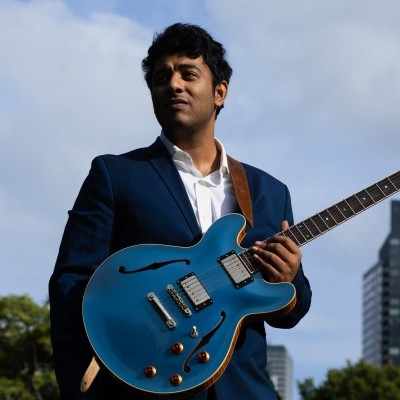
“The love from the jazz and music community restored my faith in humanity,” Walia wrote in an online post upon his release from detention at an ICE facility.
Aug 18, 2026 2:15 PM
Indian jazz guitarist and composer Pritesh Walia has been released after being unexpectedly detained by ICE and taken…
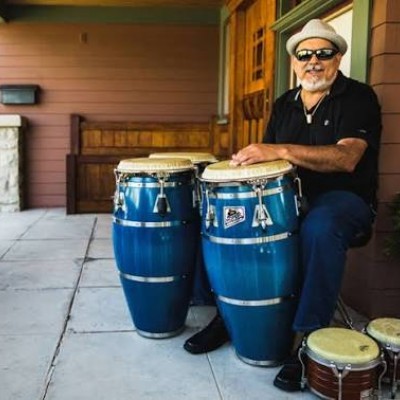
Percussionist Poncho Sanchez was among the artists scheduled to perform at the now-canceled inaugural LA Jazz Festival.
Aug 11, 2026 12:53 PM
The inaugural LA Jazz Festival, originally scheduled to run Aug. 7–23 with dozens of events across Los Angeles’…
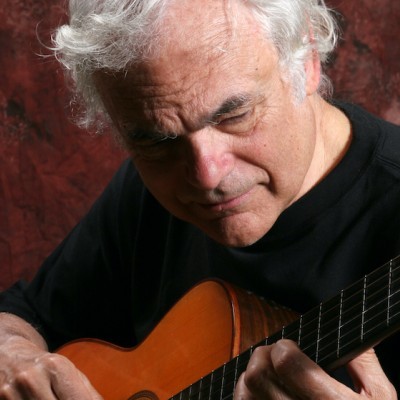
Bertoncini was a specialist and advocate for the nylon-string acoustic guitar, turning down high-profile opportunities that were unsuited to the sound and techniques that he used with that instrument.
Sep 1, 2026 11:06 AM
Gene Bertoncini, an esteemed jazz guitarist, composer, arranger and educator, died Aug. 29 at the Lillian Booth Actors…
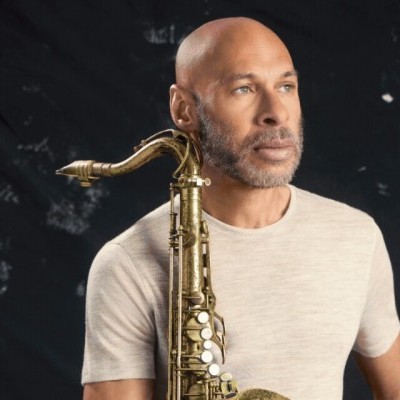
A solo concert by saxophonist Joshua Redman will close the first night of the Hyde Park Jazz Festival on Sept. 26.
Sep 22, 2026 12:26 PM
The Hyde Park Jazz Festival will take place for the 20th time on the final weekend of September 2026. Beginning half…