Sep 3, 2026 10:44 AM
In Memoriam: Cassandra Wilson, 1955–2026
Cassandra Wilson, a singer, songwriter and producer who was one of the most acclaimed and successful jazz vocalists of…


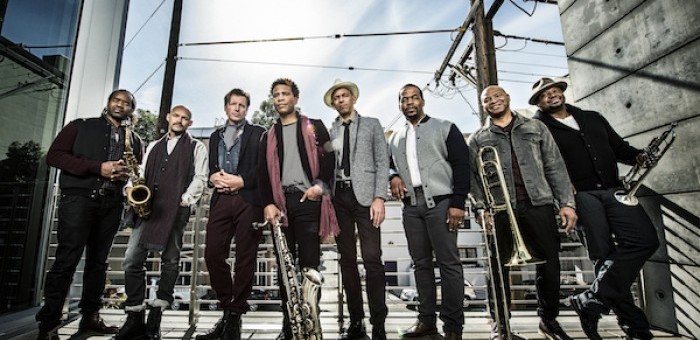
Obed Calvaire (left), Miguel Zenón, Matt Penman, David Sánchez, Edward Simon, Warren Wolf, Robin Eubanks and Sean Jones are the SFJAZZ Collective
(Photo: Courtesy SFJAZZ)The SFJAZZ Collective interprets the music of Michael Jackson on its forthcoming album. Live: SFJAZZ Center 2015, available March 4, was recorded during the band’s four-night residency in October on the Robert N. Miner Auditorium stage at the SFJAZZ Center in San Francisco.
The SFJAZZ Collective is an all-star ensemble that includes Miguel Zenón (alto saxophone), David Sánchez (tenor saxophone), Sean Jones (trumpet), Robin Eubanks (trombone), Warren Wolf (vibraphone), Edward Simon (piano), Matt Penman (bass) and Obed Calvaire (drums).
The two-CD set includes new arrangements of eight songs from Jackson’s repertoire as well as eight original compositions from SFJAZZ Collective members. The program includes Jackson’s compositions “Don’t Stop ’Til You Get Enough” (arranged by Sánchez), “Smooth Criminal” (arranged by Zenón) and “This Place Hotel” (arranged by Simon).
The program includes versions of two songs that appeared on Jackson’s historic Thriller album: “Human Nature” (which was composed by Steve Porcaro and John Bettis and is arranged here by Wolf) and the title track (composed by Rod Temperton, arranged by Calvaire).
Among the original compositions by band members are Eubanks’ “Why,” Penman’s “Mr. Right,” Jones’ “Franklin & Fell” and Calvaire’s “150 Million Gold Francs.”
The album continues the SFJAZZ Collective’s tradition of interpreting works by a composer and then augmenting the program with original compositions. The band’s discography includes albums that spotlight the music of jazz titans Chick Corea, Joe Henderson and McCoy Tyner.
Live: SFJAZZ Center 2015, which is packaged with a 22-page booklet, is not available in stores. For ordering information, visit the SFJAZZ website.
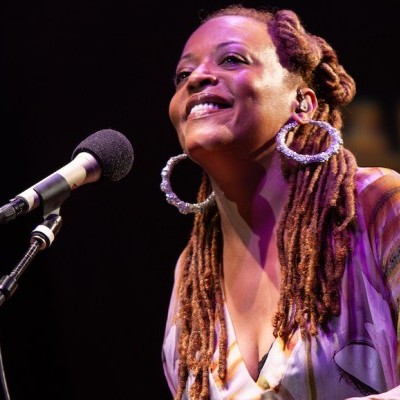
Wilson’s ability to connect to audiences helped her to win two Grammy awards and multiple other accolades. She was named an NEA Jazz Master in 2022.
Sep 3, 2026 10:44 AM
Cassandra Wilson, a singer, songwriter and producer who was one of the most acclaimed and successful jazz vocalists of…
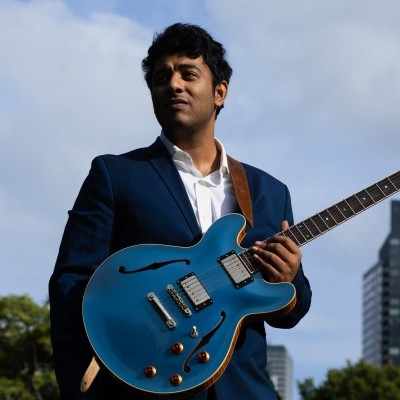
“The love from the jazz and music community restored my faith in humanity,” Walia wrote in an online post upon his release from detention at an ICE facility.
Aug 18, 2026 2:15 PM
Indian jazz guitarist and composer Pritesh Walia has been released after being unexpectedly detained by ICE and taken…
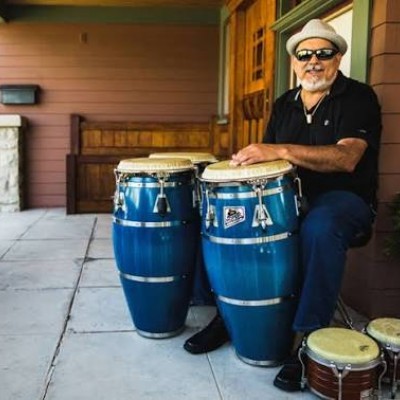
Percussionist Poncho Sanchez was among the artists scheduled to perform at the now-canceled inaugural LA Jazz Festival.
Aug 11, 2026 12:53 PM
The inaugural LA Jazz Festival, originally scheduled to run Aug. 7–23 with dozens of events across Los Angeles’…
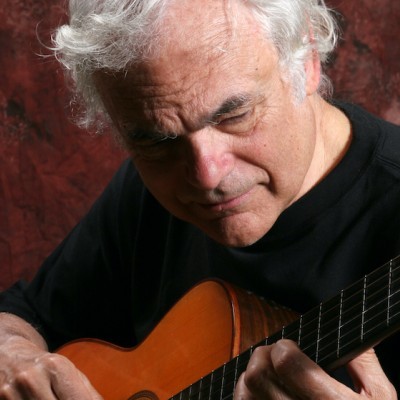
Bertoncini was a specialist and advocate for the nylon-string acoustic guitar, turning down high-profile opportunities that were unsuited to the sound and techniques that he used with that instrument.
Sep 1, 2026 11:06 AM
Gene Bertoncini, an esteemed jazz guitarist, composer, arranger and educator, died Aug. 29 at the Lillian Booth Actors…
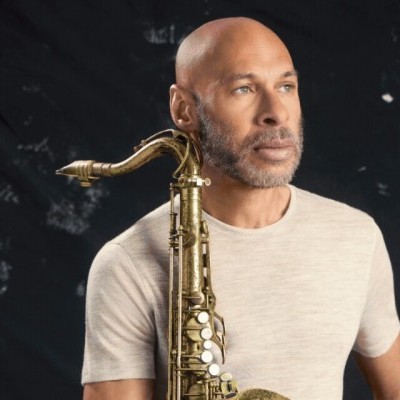
A solo concert by saxophonist Joshua Redman will close the first night of the Hyde Park Jazz Festival on Sept. 26.
Sep 22, 2026 12:26 PM
The Hyde Park Jazz Festival will take place for the 20th time on the final weekend of September 2026. Beginning half…