Sep 3, 2026 10:44 AM
In Memoriam: Cassandra Wilson, 1955–2026
Cassandra Wilson, a singer, songwriter and producer who was one of the most acclaimed and successful jazz vocalists of…


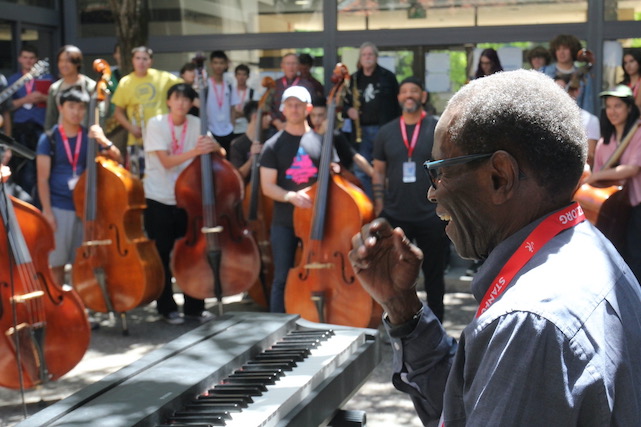
Pianist George Cables holds court during the Stanford Jazz Workshop.
(Photo: Courtesy Stanford Jazz Workshop)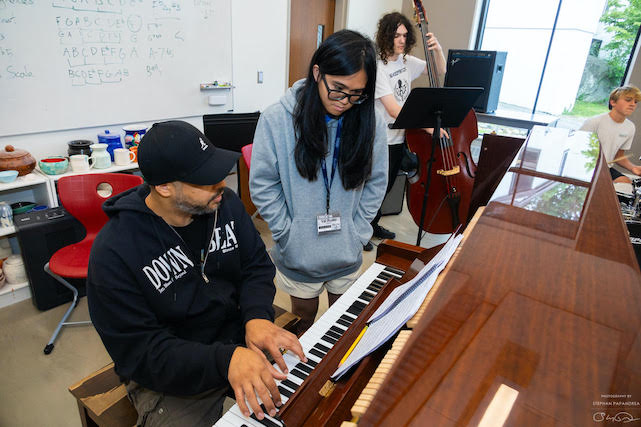
Pianist Zaccai Curtis offers tips during the Lithchfield Jazz Camp.
(Photo: Courtesy Litchfield Jazz Camp)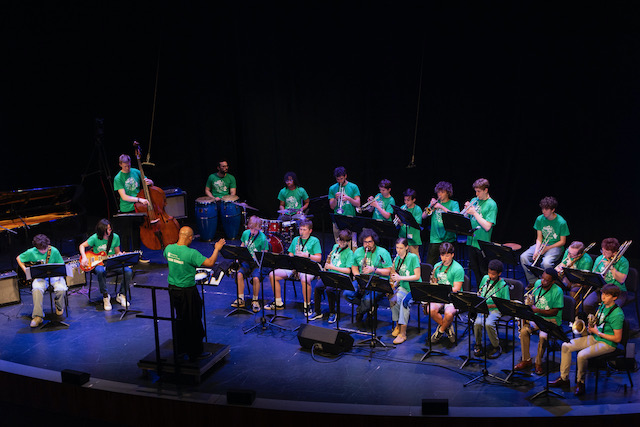
Performing at MSM Summer in New York.
(Photo: Courtesy MSM Summer)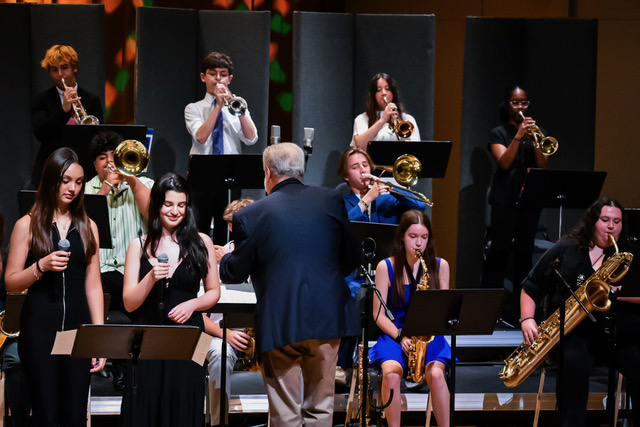
Performing at the Frost Summer Intensive.
(Photo: Courtesy Frost Summer Intensive)Congratulations! You’ve decided to apply to a summer jazz camp for the first time. But along with the excitement of planning to attend a jazz camp for a week or more, you have questions and concerns about how to get the most out of your experience. What’s the best way to navigate the application and acceptance process? How are you going to best prepare yourself for jazz camp? Will your musicianship be strong enough to match the playing level of the other campers in your ensemble or big band? And will you fit in socially with the other campers?
DownBeat reached out to directors and staff at four top jazz camps across the country to respond to those concerns: the Frost Summer Experience at the University of Miami, Florida; MSM Summer at the Manhattan School of Music, New York City; The Litchfield Jazz Camp in Connecticut; and the Stanford Summer Workshop at Stanford University, California. Here are their comments and advice for first-time jazz campers on those questions and concerns.
JAZZ CAMP AUDITIONS
All the jazz camp personnel we spoke with emphasized the importance of the audition process in terms of putting together the right combination of young musicians in combos and big bands during camp. The Frost Summer Experience, MSM Summer and the Stanford Jazz Workshop all require that applicants send in an audition video that features them playing contrasting tunes — such as a swing number and a ballad — with a chorus of improvisation. And there are very practical reasons behind the video audition requirement.
“You have to think about the program as a whole to create the best musical experience possible for the students,” explained Charles Bergeron, professor of jazz bass at the Frost School of Music and program director for jazz pedagogy at the Frost Experience. “The Jazz Instrumental Intensive camp is limited to 30 students. I must have that in mind to fit students into our big band and our combo environments. We need to have a balance of instruments to make that work. We also have a Jazz Vocal Intensive that runs the same week as the Jazz Instrumental Intensive camp, with similar video audition requirements. Dr. Kate Reid is director of the Jazz Vocal Intensive, and we have a combined concert at the end of the week.”
The MSM Summer Experience is also limited in the number of students who can enroll in its Jazz Instrumentalists program. “Since 2023, we’ve had 23 to 30 students in Jazz Instrumental,” explained Lorelli, manager of large ensembles at the MSM Summer Program. “Auditions help us balance out our big band, combos and R&B ensemble for our younger students,” added Robert Kamm, MSM director of youth programs. “Audition results and instrumentation determine what kind of combos and how many we can offer each summer.”
The Stanford Jazz Workshop enrolls a wide age range of students, from its middle school-based Giant Steps program to its Jazz Institute for advanced high school students. “For Giant Steps, we use the audition primarily to match up students in the right combo environments,” explains Cory Combs, executive director of the Jazz Workshop. “But for the Jazz Institute, the audition video is the pathway to being accepted into the program. We’re auditioning students who might be sitting in one of the first or second chairs in their school big bands. We want to put these students in bands and combos where everyone is in a small ecosystem of ability.”
The Litchfield Jazz Camp uses a different approach, and applicants fill out an online music theory assessment rather than submitting an audition video. “That theory assessment gives us a general idea of whether the camper is a beginner, intermediate or an advanced musician,” said Albert Rivera, director of operations, Litchfield Performing Arts. “When the campers arrive on Sunday, that evening we have each of them play with a faculty member. That way, we can not only hear how they play — we can also see their personalities. That helps us create ensembles that are good fits musically as well as in terms of their personalities.”
PREPARING FOR JAZZ CAMP
In addition to a video audition or a music theory assessment, all these jazz camps provide campers with guidelines to help them prepare for camp before their arrival.
Litchfield Jazz Camp sends a letter from camp director Don Braden welcoming incoming campers and offering advice to best prepare for camp. In addition, detailed preparation advice for all campers is also broken down by beginning, intermediate and advanced levels — as well as specific advice for drummers and pianists. “We also give them advice by skill level on scales to focus on learning,” said Rivera. “Some take it very seriously — especially the ones who haven’t been to music camp before.”
Stanford Jazz Workshop also sends campers a prep sheet before camp arrival. That information gives students a chance to address “what in the world they need to prepare for,” said Combs. “And I think campers really do focus on these basics. For sure they’re going to look at it before they prepare their audition. If they put in some time weeks or months before, they’re going to have a better time here — even if it’s 15 minutes a day to learn chord-scale relationships and play some blues and standards.”
MSM Summer sends specific music to attendees before they arrive — material that’s going to be featured at camp, according to Lorelli.
“We try and isolate what music they’re going to play when they get here,” he said. “Last year we got the music to them two to three weeks ahead of time. It gives them a specific focus to listen to the music, practice it and get comfortable before they work on it here.”
At Frost Summer Experience, Bergeron sees the pre-camp materials as a pathway to help level the playing field in terms of students who may come from small high school music programs and those who attend higher-level programs. “We list the criteria beforehand, so they know they’re going to be talking about theory and repertoire,” explained Bergeron. “Some students come to Frost Summer from small programs, or perhaps from a school that doesn’t even have a program at all. So for those students, the preparation info helps introduce them into a musical community that they didn’t have before.”
ADVICE FOR FIRST-YEAR CAMPERS
Let’s face it: As a first-time jazz camper, you may have worked hard on your audition and done your best to follow all the musical advice sent by the camp to get you prepared. But you’re likely still wondering how you’re going to fit in — both musically and socially — with other young musicians you’ve never met before. Just remember, jazz camp teachers and counselors have dealt with these issues quite often — and are there to help you adjust and quickly fit in to the camp’s musical community.
“When first-year students come in to camp, it’s only natural to feel nervous,” explained Kamm, MSM’s director of youth programs. “But by the second or third day they’ve become very engaged with their teachers. And it’s a team effort by all of our staff to get everyone engaged. It’s rare that a student feels they’re being challenged well above their skill level, and that helps their confidence. And since we’re a three-week program, that sense of community really builds over their time here.”
“Our instructors at MSM Summer work to help get first-year students adjusted to the program, especially in that first week,” added Lorelli. “By the end of that week, they’re playing tons of charts, and very into it musically and socially with the other students. Our big band director is a ball of energy, and he really gets the band members into it.”
“When the students come in at Frost Summer, they meet that night with the staff that’s going to be teaching them,” explained Bergeron. “On Monday morning everyone gets together to talk about creating a network of people and what we’re trying to accomplish together. We try and establish a friendlier vibe, and emphasize that it’s not a competition. We’re here to embrace this beautiful music and bring something to it. Let’s have fun, and let’s honor the music and tradition.”
“When new campers arrive at Litchfield, we make sure they know that it’s everyone together: a community,” said Rivera. “Many times, I’ve seen returning campers say to new ones, ‘Hey, is this your first year?’ if they don’t recognize somebody. Then they start talking with them about what’s coming up in the week. And if we notice a camper who’s really shy and sitting alone, faculty and returning students will sit with them and talk about music.”
“We as experienced players tend to forget what it’s really like for first-time students at camp, especially in the Giant Steps program,” Combs said. “The intimidation factor can be very real, so within the first hours we start meeting with the campers in small groups, and teachers and counselors reach out to new campers and help fold them in quickly. We also don’t assume returning campers are always OK. We want to help everyone fit in. It’s also great when camper returnees talk to new students and invite them to jam sessions, or to the coffeehouse where faculty musicians play at night.”
INTERACTION WITH FACULTY
Several camp directors mentioned another factor that can help new jazz camp attendees have a great experience: taking advantage of the opportunity to interact with camp faculty and visiting professional musicians presenting clinics at camp.
“We’ve got a talented faculty here at Frost Summer Experience, and the students develop strong musical rapport with their teachers. That tends to bring them back to camp year after year,” said Charles Bergeron. “In the first year of camp a wonderful drummer came back for a second year and is now an incoming freshman at Frost, and we have had several other repeat attendees now enrolled at Frost as well.”
“We have a lot of returning students at MSM Summer every year, and I think the three-week program really builds the musicianship and feeling of community with the returning students through ongoing musical bonds with our talented MSN Summer faculty,” said Hunter Lorelli.
“And that returning student trend continues even further,” added Kamm. “It’s continued from MSM Summer through pre-college and undergraduate enrolment by campers. A lot go on to our Saturday pre-college program, then hopefully on to our undergraduate and grad school program.”
“I remember when I was a jazz camper going to hear the faculty members play: the teachers you’ve worked with all day in classes and rehearsals,” recalled Combs. “That was really life-changing for me. And since the Stanford Jazz Festival is going on at the same time as our workshop, we have free tickets to the evening festival concerts for the campers. The campers can hear great musicians play at night, and if a musician does an all-camp workshop the next day the campers have the opportunity talk and hang out with them. It’s quite special.”
“The Litchfield Jazz Festival takes place during the last week of the Jazz Camp, and one of big reasons we schedule it then is so that the kids who attend camp that last week can attend the festival performances,” explained Rivera. “These young campers at the beginning stages of their musicianship can see professional musicians at the festival. And in the case of someone like Jimmy Greene or other talented faculty who play at the fest, they may have worked on scales with Jimmy during the week at camp, and now they’re seeing him performing. It shows kids the possibilities and hopefully gives them inspiration. Hopefully they can come away with a love for music that lasts a lifetime.” DB
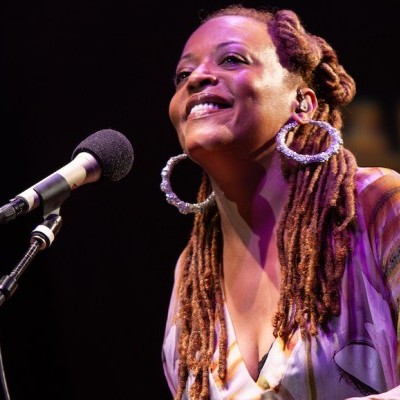
Wilson’s ability to connect to audiences helped her to win two Grammy awards and multiple other accolades. She was named an NEA Jazz Master in 2022.
Sep 3, 2026 10:44 AM
Cassandra Wilson, a singer, songwriter and producer who was one of the most acclaimed and successful jazz vocalists of…
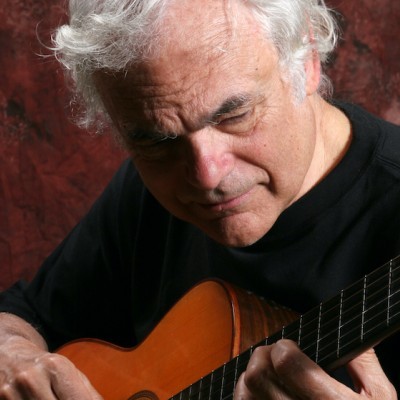
Bertoncini was a specialist and advocate for the nylon-string acoustic guitar, turning down high-profile opportunities that were unsuited to the sound and techniques that he used with that instrument.
Sep 1, 2026 11:06 AM
Gene Bertoncini, an esteemed jazz guitarist, composer, arranger and educator, died Aug. 29 at the Lillian Booth Actors…
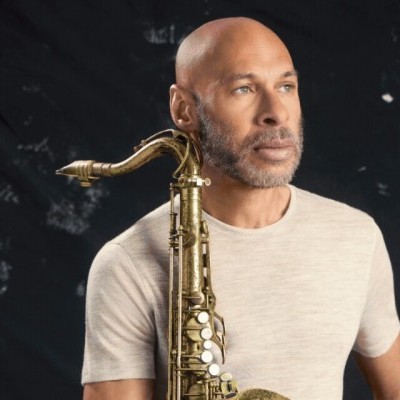
A solo concert by saxophonist Joshua Redman will close the first night of the Hyde Park Jazz Festival on Sept. 26.
Sep 22, 2026 12:26 PM
The Hyde Park Jazz Festival will take place for the 20th time on the final weekend of September 2026. Beginning half…
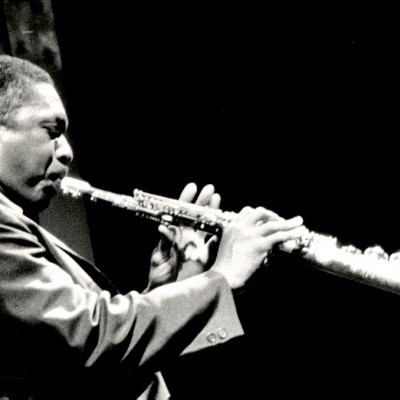
“It was just that suddenly … I could hear it,” Ravi Coltrane said of an epiphany he experienced during his late teens regarding his father’s music. “And it was almost like a calling, like something saying, ‘Hey, man, come on. It’s time to get serious.’ And the first time you really tune in and dial in and focus like that, it can be very life-changing.”
Sep 22, 2026 1:39 PM
Editor’s Note: Tomorrow, Sept. 23, is the 100th anniversary of John Coltrane’s birth. In honor of the tenor and…
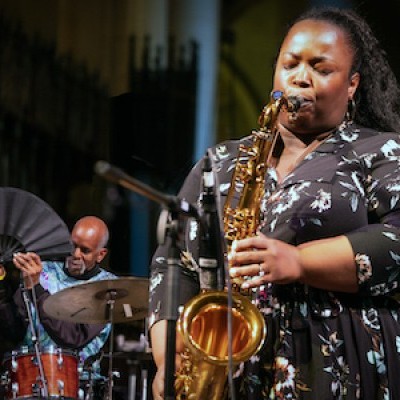
Camille Thurman took to the stage alongside bassist Kenny Davis and drummer Tommy Campbell for a rendition of Johnny Mercer’s “I’m An Old Cowhand” that recalled Rollins’ epochal 1957 trio outing Way Out West.
Oct 6, 2026 1:33 PM
As emcee Mark Ruffin noted at the commencement of an epic tribute to saxophonist Sonny Rollins at the Cathedral of…