Sep 3, 2026 10:44 AM
In Memoriam: Cassandra Wilson, 1955–2026
Cassandra Wilson, a singer, songwriter and producer who was one of the most acclaimed and successful jazz vocalists of…


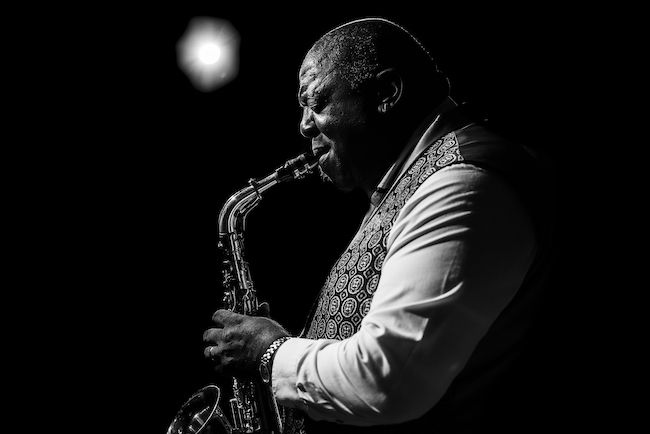
“Forty years into this career, I have come back to myself, and I feel the same joy I did the first time I opened that sax case every time I play,” says Jesse Davis.
(Photo: William Brown)“I’m at a stage in life now where I’m not concerned with what people think of me or my music — those days are long gone,” Jesse Davis says. “The older I’ve gotten, the more I understand it’s about making a connection with people. The most important thing is having an interaction and exchange of energy with the audience. I’m always looking for that interplay in the moment.”
Over the past 40 years, the New Orleans-raised alto saxophonist has released 10 albums as a bandleader and has traveled the world with the likes of Clark Terry, Ray Brown, Milt Jackson and Benny Golson. Coming to prominence in 1980s New York as part of the “young lions” movement spearheaded by Wynton Marsalis, Davis has made his signature a hard-blowing, buoyant sound that channels the melodic fluidity of alto greats like Charlie Parker as much as the soulful emotion of fusion artists like Grover Washington Jr. Following his recent 60th birthday, Davis has been on a new journey of introspection, reflecting on his career to date and the lessons he has learned from a life on the road.
“I’ve been on the road since I was 19. Wherever the call comes, that’s where I’m at, since that’s how we were brought up: to be players first and foremost,” Davis says over a video call from New York. “Over the past decade, though, I’ve slowed down, and I’m much more selective with where I play since traveling is more of a chore at my age. Once I turned 60, I started to think about the second half of my life. I thought a lot about my childhood in New Orleans and my time in New York, and I felt I had come full circle. We all have a journey in life, and I feel I’m at the stage where I’m journeying back to myself to understand the truth of what I have been seeking.”
The result of this self-examination is Davis’ latest album, Reflections (Cellar Music). Featuring long-time collaborators including pianist Spike Wilner, bassist John Webber and guest drummer Lewis Nash, Davis and his quartet produce seven storied tracks, each drawing on his life experiences. The sprightly, Latin-influenced opening number “Blue Autumn” features Davis’ searing alto soloing in an exploration of grief at the tragic loss of a loved one, while the blues-inflected “Choctaw Alley” aims to evoke the spirit of the New Orleans road where Davis first learned to improvise and fell in love with jazz. The standards “Reflections” and “Evidence,” both by Theolonious Monk, express his deep admiration for the pianist’s uniquely jaunty compositions.
“When it came to this album, I thought about tunes and standards that meant something to me that I’ve never recorded before,” Davis says. “‘Blue Autumn’ was written after a tragic death I was destroyed over, and the whole vibe of the song is the process of grieving. It’s not a sad tune. It’s upbeat and represents the journey to peace. I told the band when we went into the studio, it doesn’t have to be super polished, I just want it to sound how it is in the moment. The entire concept should be to create a space of reflection.”
Growing up in New Orleans, Davis’ childhood ambitions were to become a professional NFL player until a collarbone injury at age 10 laid him up. During his recovery, Davis’ older brother, who was a local musician, suggested he try and learn an instrument instead. After attempting to learn the drum kit, Davis soon lost interest and set his sights on the trumpet.
“When you’re growing up in New Orleans, the atmosphere is filled with music,” he said. “It’s music that has many influences and different foundations. But from the time you’re born you know how to dance to Mardi Gras, and in those marching bands trumpet is king — it’s the first thing you hear. Except, the trumpet didn’t agree with me, I just couldn’t enjoy playing it, so finally my brother traded it in for an alto saxophone. I can still remember the smell of opening the case of the saxophone. I immediately fell in love. From there things happened quickly.”
Initially studying under his brother before moving on to improvise with local hero and Choctaw Alley resident Roy Johnson, Davis honed his chops and was granted entry to Ellis Marsalis’ program at the New Orleans Center for Creative Arts at 12. After graduating alongside a cohort that included singer Harry Connick Jr. and trombonist Delfeayo Marsalis, Davis moved to New Jersey’s William Paterson University before transferring to the New School in Manhattan. Studying and playing there with the likes of pianist Larry Goldings and drummer Leon Parker, Davis immersed himself in a vibrant 1980s New York jazz scene.
“We had a ball exploring, playing and hopping around to hear great masters every night. The music was 24/7,” Davis says. “It’s like being thrown into the fire trying to live and survive when you’re in New York. It’s the best way to find out if you really want to do this because you’re tested on all levels every day. The level of intensity and focus and competition is so high that you either find ways to get better or you fall by the wayside. It’s no different now.”
Thankfully, Davis thrived in the city until he relocated to Verona, Italy, where he has spent the past two decades with his wife and daughter. Making a new home in the European city and touring the continent regularly, alongside annual dates in New York, Davis ultimately feels he has found the perfect balance between home and road life and between experience and instinctive creativity.
“I’m still searching for me, but this record signifies that I understand what all of this music is for,” he says. “We are messengers, conduits for a higher spirit that touches people in a way that’s unique. Forty years into this career, I have come back to myself, and I feel the same joy I did the first time I opened that sax case every time I play. I hope that never fades.” DB
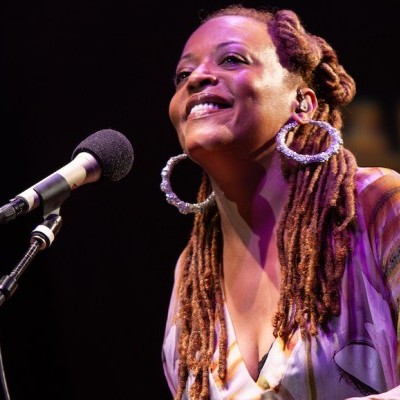
Wilson’s ability to connect to audiences helped her to win two Grammy awards and multiple other accolades. She was named an NEA Jazz Master in 2022.
Sep 3, 2026 10:44 AM
Cassandra Wilson, a singer, songwriter and producer who was one of the most acclaimed and successful jazz vocalists of…
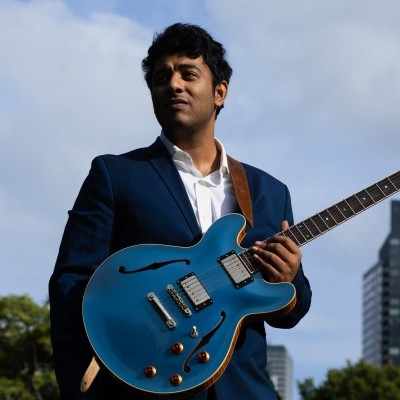
“The love from the jazz and music community restored my faith in humanity,” Walia wrote in an online post upon his release from detention at an ICE facility.
Aug 18, 2026 2:15 PM
Indian jazz guitarist and composer Pritesh Walia has been released after being unexpectedly detained by ICE and taken…
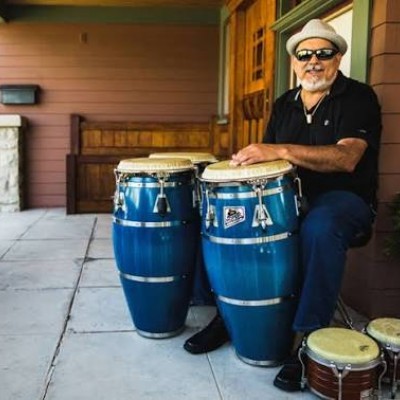
Percussionist Poncho Sanchez was among the artists scheduled to perform at the now-canceled inaugural LA Jazz Festival.
Aug 11, 2026 12:53 PM
The inaugural LA Jazz Festival, originally scheduled to run Aug. 7–23 with dozens of events across Los Angeles’…
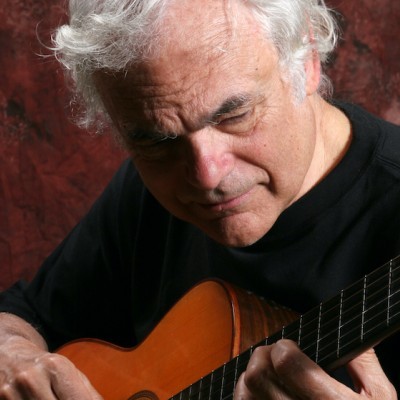
Bertoncini was a specialist and advocate for the nylon-string acoustic guitar, turning down high-profile opportunities that were unsuited to the sound and techniques that he used with that instrument.
Sep 1, 2026 11:06 AM
Gene Bertoncini, an esteemed jazz guitarist, composer, arranger and educator, died Aug. 29 at the Lillian Booth Actors…
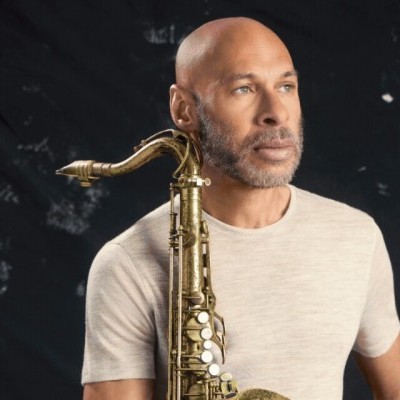
A solo concert by saxophonist Joshua Redman will close the first night of the Hyde Park Jazz Festival on Sept. 26.
Sep 22, 2026 12:26 PM
The Hyde Park Jazz Festival will take place for the 20th time on the final weekend of September 2026. Beginning half…