Sep 3, 2026 10:44 AM
In Memoriam: Cassandra Wilson, 1955–2026
Cassandra Wilson, a singer, songwriter and producer who was one of the most acclaimed and successful jazz vocalists of…


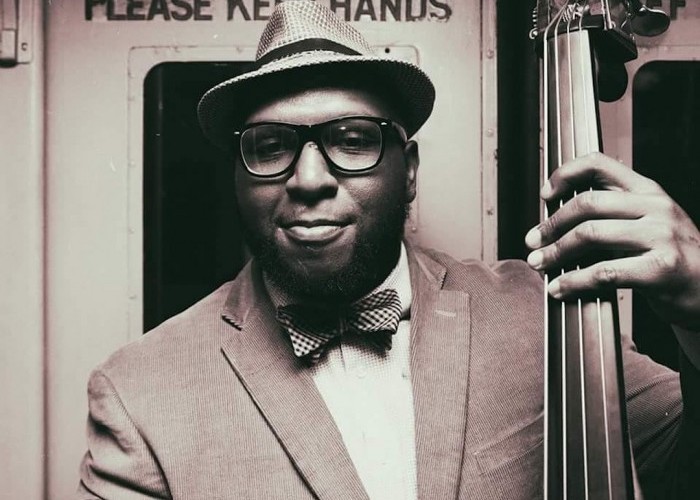
“I want to leave something for people to hear what the music is about and you can vibe with it in the car or wherever you’re at, which is awesome,” says Noah Jackson.
(Photo: Courtesy Noah Jackson)It was Valentine’s Day 2023 when bassist Noah Jackson found the distinctive sound for his band Full Circle. Three years before that epiphany, Jackson performed sets during his weekly residency at the Detroit jazz club Cliff Bells called Full Circle Wednesdays, often revisiting the same material he had composed while refining arrangements and deepening group chemistry.
There were a number of musicians from Detroit’s tight-knit jazz community who floated on and off his bandstand, but that night was when his ideal ensemble was born. Jackson’s quintet — featuring trumpeter Allen Dennard, saxophonist Stephen Grady Jr., pianist Brendon Davis and drummer Louis Jones III, all just happened to be playing together. The addition of Dennard and Grady proved especially transformative.
Rather than functioning as separate horn voices, they operated as a unified frontline, interacting, harmonizing and shaping the music collectively. The emphasis on interplay extended throughout the band, where each musician contributed to a shared sonic identity.
That laboratory approach at Cliff Bells was unconventional for the times, and it paid off. When the band entered the studio later that year, the music had already lived and breathed. What resulted was Jackson’s second album, Full Circle, a jazzy mesh of swing, Afrobeat and feel-good music designed for the masses.
“One of the things I like about this particular album and this group is the overall band sound and the frontline,” says Jackson. “Not all the time do you get musicians who are selfless enough to understand how important it is to have that cohesion. It’s not a horn player and a tenor player. It’s a frontline. There are two horns. And it’s not just unison melodies. There are harmonies, but there’s interaction. There’s a dialogue that happens especially because of the economics of the music; it’s becoming nearly impossible to push a quintet. And I think part of it is because people say it’s like, what’s the use of having two extra bodies when you’re going to put unison and horn lines together and the function of them is very limited? But I feel like if it’s not that, then it’s a completely different concept altogether just by the way that the music is constructed.”
After years of touring with Abdullah Ibrahim, Branford Marsalis, Christian Sands and Jazzmeia Horn, Jackson’s new project marks a decisive shift. Full Circle is less about showcasing virtuosity and more about defining him as a composer, a bandleader and a musician rooted in Detroit’s lineage and global experience. Though Jackson’s career has taken him worldwide, Detroit remains central to his identity.
Mentors like trumpeter Marcus Belgrave and bassist Rodney Whitaker provided not just technical guidance but a deep understanding of swing, melody and tradition. Jackson grew up in Southfield, Michigan, a small suburb outside Detroit, and was immersed in jazz early on through programs like the Detroit Symphony Orchestra’s Civic Jazz Orchestra. He studied with Whitaker at Michigan State University and moved to New York, where he earned a graduate degree at the Manhattan School of Music. With that experience under his belt, offers for work with various jazz bands surfaced.
At the heart of Jackson’s music is a simple goal: connection. The mission of his band is to create lasting connections among all people through improvised music. He strives to showcase the genius of creation in the moment with his music. Essentially, he wants people to remember what they heard.
That philosophy shapes every aspect of the album. The music leans into strong melodic hooks, groove-based structures and a sense of repetition that invites listeners in rather than shutting them out. Jackson takes pride in audiences humming his tunes after hearing them once. It’s a subtle but significant shift from a strain of modern jazz that can sometimes prioritize complexity over accessibility. But Jackson isn’t rejecting sophistication, he’s reframing it.
“We get a little too intellectual sometimes,” he admits. “I want to leave something for people to hear what the music is about and you can vibe with it in the car or wherever you’re at, which is awesome. And I want to have something that can really make my shows special.”
Many of the album’s pieces began as fragments such as bass lines, melodies or ideas Jackson developed years earlier and evolved through rehearsal and performance. Tracks like the punchy lead single “Be Bout It” took shape over time, formed as much by the band’s input as Jackson’s initial concept. The result is music that feels organic and flexible, capable of shifting in real time.
The sound that audiences identify with certain artists’ music is exactly what Jackson wants his music to be known for, including that Detroit edginess and grind that he grew up listening to.
Jackson returned to Detroit during the pandemic after years navigating the relentless pace of New York’s jazz scene. “In New York, you’re just going gig to gig,” he says. “It’s easy for bass players to get caught in a sideman trap.” The slowdown offered Jackson the opportunity to reflect and think about his next move professionally.
The answer wasn’t another standards-heavy debut or a technical bass showcase. Instead, Jackson set out to build something more holistic: a band, a sound and a concept that could evolve over time.
Jackson is already thinking beyond this new album. With a second project completed and more in development, he envisions a body of work that evolves cohesively over time.
“It’s not just one album after another,” he says. Instead, each release builds on the last, forming an interconnected artistic statement.
At the same time, his definition of success has shifted. Whereas it once meant constant work and a ringing phone, it now centers on something deeper.
“Having this project allows the kind of opportunity where you’re treated more like an artist than a musician,” he says. “I am an artist being appreciated for my artistic contribution.” DB
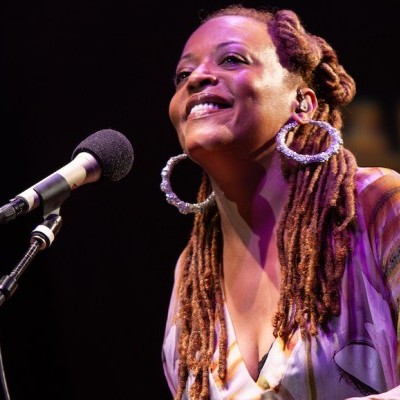
Wilson’s ability to connect to audiences helped her to win two Grammy awards and multiple other accolades. She was named an NEA Jazz Master in 2022.
Sep 3, 2026 10:44 AM
Cassandra Wilson, a singer, songwriter and producer who was one of the most acclaimed and successful jazz vocalists of…
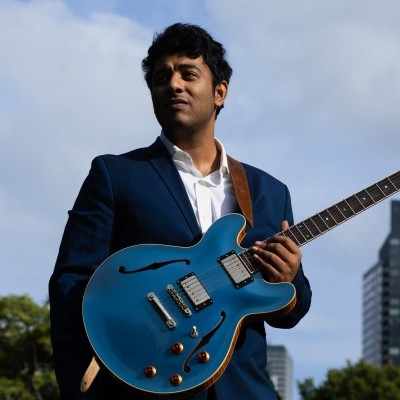
“The love from the jazz and music community restored my faith in humanity,” Walia wrote in an online post upon his release from detention at an ICE facility.
Aug 18, 2026 2:15 PM
Indian jazz guitarist and composer Pritesh Walia has been released after being unexpectedly detained by ICE and taken…
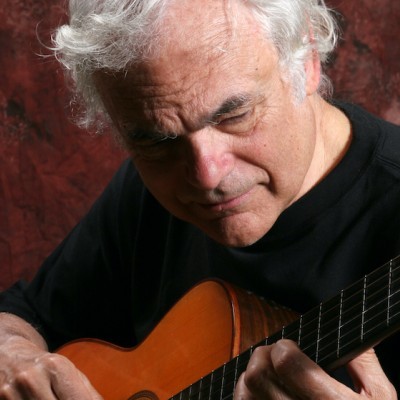
Bertoncini was a specialist and advocate for the nylon-string acoustic guitar, turning down high-profile opportunities that were unsuited to the sound and techniques that he used with that instrument.
Sep 1, 2026 11:06 AM
Gene Bertoncini, an esteemed jazz guitarist, composer, arranger and educator, died Aug. 29 at the Lillian Booth Actors…
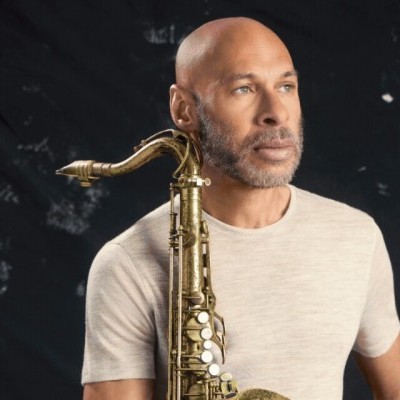
A solo concert by saxophonist Joshua Redman will close the first night of the Hyde Park Jazz Festival on Sept. 26.
Sep 22, 2026 12:26 PM
The Hyde Park Jazz Festival will take place for the 20th time on the final weekend of September 2026. Beginning half…
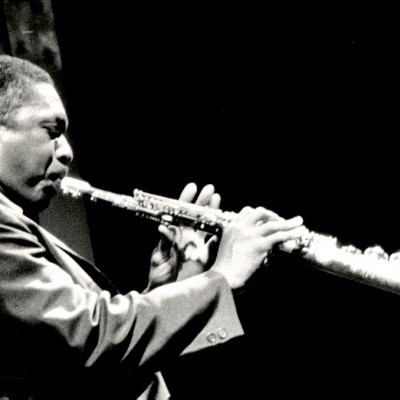
“It was just that suddenly … I could hear it,” Ravi Coltrane said of an epiphany he experienced during his late teens regarding his father’s music. “And it was almost like a calling, like something saying, ‘Hey, man, come on. It’s time to get serious.’ And the first time you really tune in and dial in and focus like that, it can be very life-changing.”
Sep 22, 2026 1:39 PM
Editor’s Note: Tomorrow, Sept. 23, is the 100th anniversary of John Coltrane’s birth. In honor of the tenor and…