Sep 3, 2026 10:44 AM
In Memoriam: Cassandra Wilson, 1955–2026
Cassandra Wilson, a singer, songwriter and producer who was one of the most acclaimed and successful jazz vocalists of…


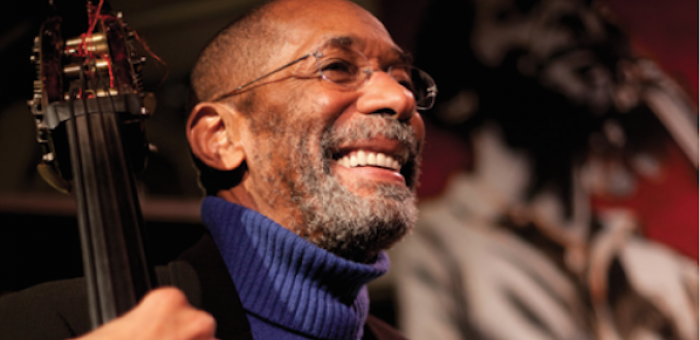
Ron Carter will serve as artist-in-residence of the 2016 Detroit Jazz Festival, which takes place Sept. 2–5 in downtown Detroit.
(Photo: Fortnuna Sung)You’re a Detroit native. When was the last time you spent considerable time in the city?
I was in Detroit with Pat Metheny for the jazz fest last year, and I came out a day early to do some press for the event. One of the drivers made some time for me to go visit my neighborhood. I was quite surprised to see that all the neighborhoods that I grew up in are now no longer there—by way of the new highways that tore through the city or abandonment by the local residents. It was a little depressing.
What is it going to take to restore the city’s arts and cultural scene?
What it’s going to take is people coming back to the city. The residents have stop [moving] to the outer suburbs. They need to give Detroit a chance again so that [public officials] can create the services, the facilities, the educational systems that will foster an environment that makes people feel at home. People should feel comfortable going out and hearing some music at 9 o’clock at night. Right now, [the city] is slowly growing that back. Hopefully, within the next four or five years, we’ll witness real stability, so that Detroit can be the city it was when I grew up there, 50 years ago.
Earlier this year, you released the album Chemistry with saxophonist Houston Person. That had to be one of the last records Rudy Van Gelder really worked on.
Yes, I think it was.
What was it like working with Rudy? What was so special about his touch?
Yesterday I was at the memorial service for Rudy, and it was hard for me to even get my head wrapped around the fact that this person, who I’ve been recording with since 1960, was gone. At that time, bassists were just starting to use pickups and amplifiers, and so we would explore: “What’s this pickup sound like? And what do these strings sound like with this pickup?” Rudy was really a scientist, and I appreciated his interest in trying to make the bass sound on disc as well as it good as it did to our ear. I haven’t seen that kind of pure dedication in a very long time.
But what impressed me with this Chemistry record was that Rudy—who was really not feeling great at this stage—was willing and interested to take a posed picture with me. He would never do that, man. He was always in the background making records, marking the tape, always working. He never took the time out to volunteer and be a part of a group shot. And this is one of his last group shots. I went to his 90th birthday party last year and saw that his health was starting to fade, but he had spirit. To know that he closed his eyes for the last time ... well, there will not be another Rudy on this planet. DB
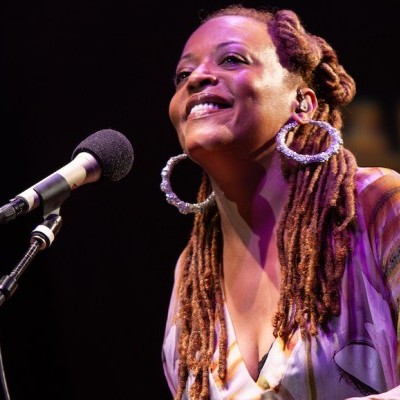
Wilson’s ability to connect to audiences helped her to win two Grammy awards and multiple other accolades. She was named an NEA Jazz Master in 2022.
Sep 3, 2026 10:44 AM
Cassandra Wilson, a singer, songwriter and producer who was one of the most acclaimed and successful jazz vocalists of…
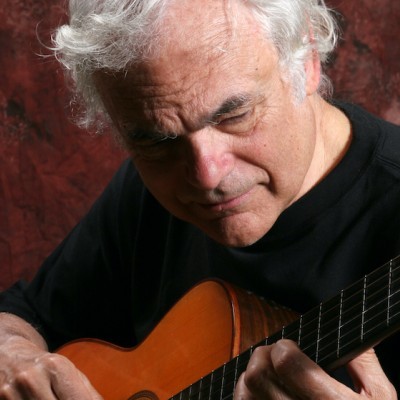
Bertoncini was a specialist and advocate for the nylon-string acoustic guitar, turning down high-profile opportunities that were unsuited to the sound and techniques that he used with that instrument.
Sep 1, 2026 11:06 AM
Gene Bertoncini, an esteemed jazz guitarist, composer, arranger and educator, died Aug. 29 at the Lillian Booth Actors…
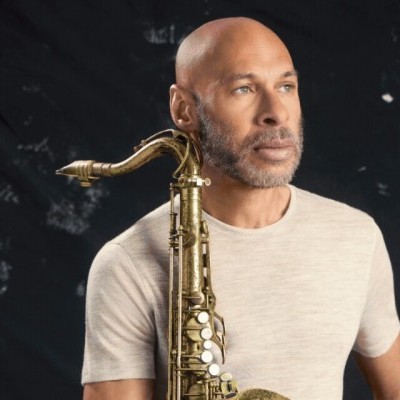
A solo concert by saxophonist Joshua Redman will close the first night of the Hyde Park Jazz Festival on Sept. 26.
Sep 22, 2026 12:26 PM
The Hyde Park Jazz Festival will take place for the 20th time on the final weekend of September 2026. Beginning half…
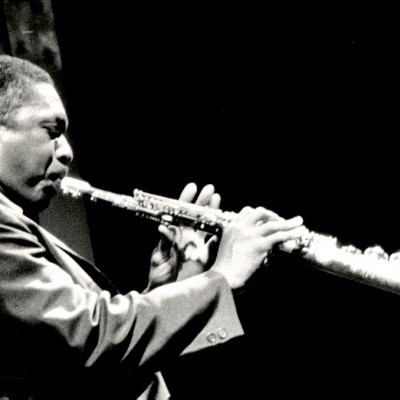
“It was just that suddenly … I could hear it,” Ravi Coltrane said of an epiphany he experienced during his late teens regarding his father’s music. “And it was almost like a calling, like something saying, ‘Hey, man, come on. It’s time to get serious.’ And the first time you really tune in and dial in and focus like that, it can be very life-changing.”
Sep 22, 2026 1:39 PM
Editor’s Note: Tomorrow, Sept. 23, is the 100th anniversary of John Coltrane’s birth. In honor of the tenor and…
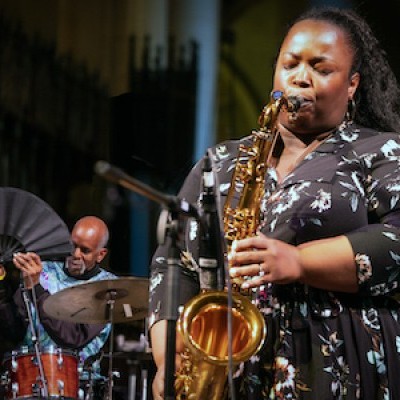
Camille Thurman took to the stage alongside bassist Kenny Davis and drummer Tommy Campbell for a rendition of Johnny Mercer’s “I’m An Old Cowhand” that recalled Rollins’ epochal 1957 trio outing Way Out West.
Oct 6, 2026 1:33 PM
As emcee Mark Ruffin noted at the commencement of an epic tribute to saxophonist Sonny Rollins at the Cathedral of…