Sep 3, 2026 10:44 AM
In Memoriam: Cassandra Wilson, 1955–2026
Cassandra Wilson, a singer, songwriter and producer who was one of the most acclaimed and successful jazz vocalists of…


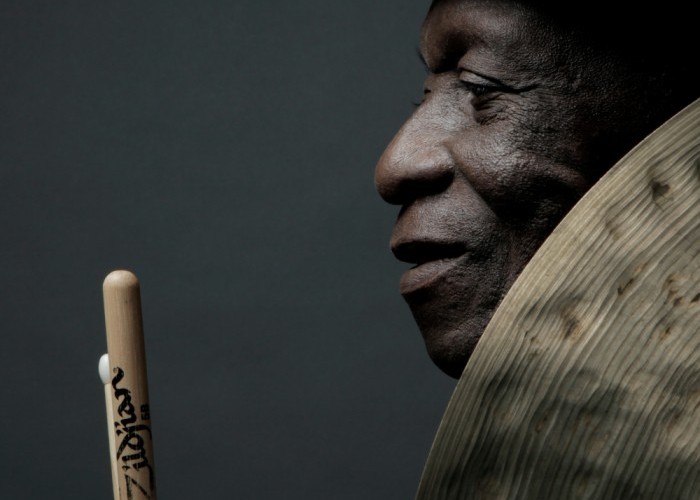
Tony Allen (1940–2020)
(Photo: Bernard Benant)Tony Allen, whose lean polyrhythms propelled Fela Kuti’s various ensembles and helped form a foundation for Afrobeat during the 1970s, died April 30 in Paris. He was 79.
“We don’t know the exact cause of death,” Eric Trosset, the drummer’s manager, told France 24. Allen’s death doesn’t appear to be connected to the coronavirus, according to Trosset.
During the late 1960s, Allen and Kuti began recording together, drawing on West African popular music, jazz and r&b. The pair, in a variety of settings led by the saxophonist, offered listeners excoriating political messages on albums like Zombie (1976) and No Agreement (1977).
Allen began leading his own dates while still in Kuti’s orbit, releasing records assisted by the bandleader and his Afrika 70 ensemble. Venturing out on his own, the drummer embarked on a career that spanned decades, continents and genres, while remaining a uniquely engaged musician, performing with newer acts like the Chicago Afrobeat Project, as well as Detroit techno pioneer Jeff Mills.
In 2017, the drummer issued a pair Blue Note releases: The Source and A Tribute To Art Blakey And The Jazz Messengers. On March 20, the World Circuit label released Rejoice, a 2010 collaborative recording that featured Allen and trumpeter Hugh Masekela (1939–2018).
A unique facet of his work, Allen also claimed to be able to play in a different time signature with each limb simultaneously.
“I don’t know how to explain this,” he told DownBeat in 2018. “I’ve done some workshops at universities and I show them how it’s done, but you have to see it. I can’t explain it to you with my mouth; it’s not possible. You have to see it in action. Because I never preview what I’m going to play—it comes according to my wavelength. So, it’s impossible for me to explain what I’m playing. You want to know it? I’ll show you how it’s done, and if you can handle it, that’s it.” DB
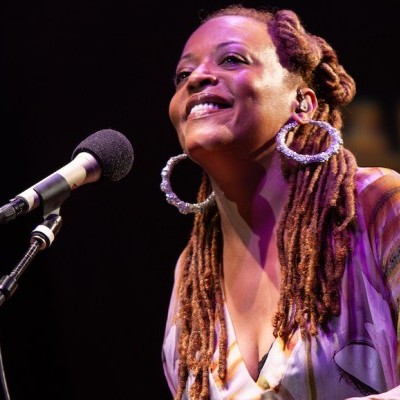
Wilson’s ability to connect to audiences helped her to win two Grammy awards and multiple other accolades. She was named an NEA Jazz Master in 2022.
Sep 3, 2026 10:44 AM
Cassandra Wilson, a singer, songwriter and producer who was one of the most acclaimed and successful jazz vocalists of…
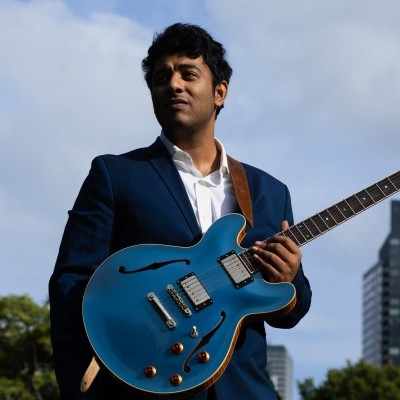
“The love from the jazz and music community restored my faith in humanity,” Walia wrote in an online post upon his release from detention at an ICE facility.
Aug 18, 2026 2:15 PM
Indian jazz guitarist and composer Pritesh Walia has been released after being unexpectedly detained by ICE and taken…
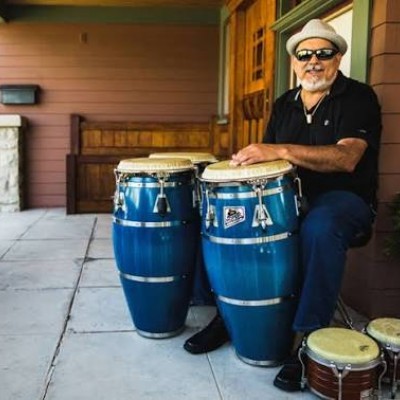
Percussionist Poncho Sanchez was among the artists scheduled to perform at the now-canceled inaugural LA Jazz Festival.
Aug 11, 2026 12:53 PM
The inaugural LA Jazz Festival, originally scheduled to run Aug. 7–23 with dozens of events across Los Angeles’…
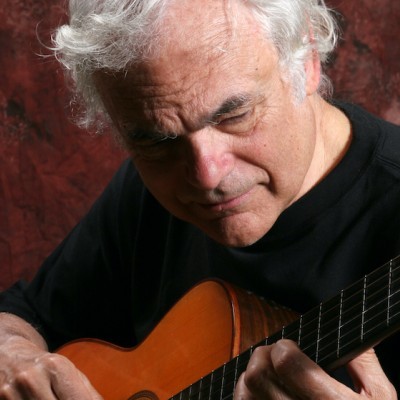
Bertoncini was a specialist and advocate for the nylon-string acoustic guitar, turning down high-profile opportunities that were unsuited to the sound and techniques that he used with that instrument.
Sep 1, 2026 11:06 AM
Gene Bertoncini, an esteemed jazz guitarist, composer, arranger and educator, died Aug. 29 at the Lillian Booth Actors…
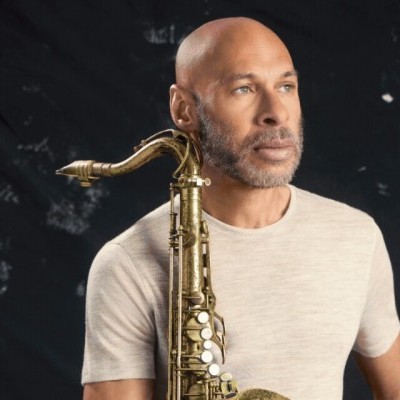
A solo concert by saxophonist Joshua Redman will close the first night of the Hyde Park Jazz Festival on Sept. 26.
Sep 22, 2026 12:26 PM
The Hyde Park Jazz Festival will take place for the 20th time on the final weekend of September 2026. Beginning half…