Sep 3, 2026 10:44 AM
In Memoriam: Cassandra Wilson, 1955–2026
Cassandra Wilson, a singer, songwriter and producer who was one of the most acclaimed and successful jazz vocalists of…


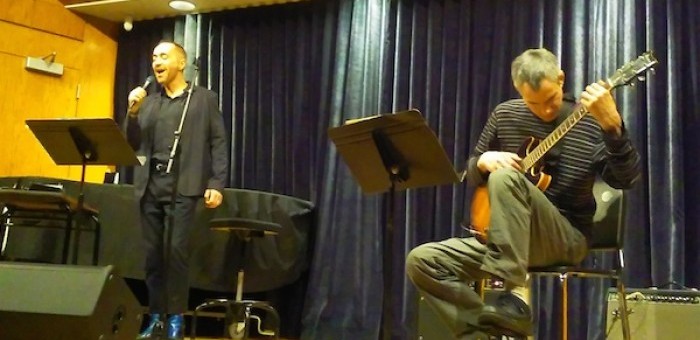
Theo Bleckmann (left) and Ben Monder perform at Western Michigan University in Kalamazoo, Michigan, on April 9.
(Photo: John Ephland)Singer Theo Bleckmann and guitarist Ben Monder performed before an intimate audience at Western Michigan University’s Dalton Center Recital Hall in the second of two shows April 9, extending a musical relationship that goes back more than 20 years.
Their set demonstrated a knack for blurring the boundaries of song, reinventing what it means for a singer and guitarist to team up in the 21st century. Using electronic looping and processing to create selective choral and textural effects, Bleckmann had his hands (or voice) full as Monder’s regularly thunderous and full-bodied guitar filled the room.
Not surprisingly, the overall atmosphere was dreamy, with occasional nods to something resembling grunge. Bleckmann’s voice and Monder’s guitar, for those familiar with each artist’s repertoire, seem well suited for each other. That was certainly the case this evening.
Granted, there were rough edges along the way, but jazz, being an improvised music, is sometimes the better for it. More than a few audience members must have been grateful that these New York-based artists came to town to deliver a full-hearted performance—honestly and forthrightly.
On the whole, the music appeared sketchy, despite the presence of music stands. In fact, the stands seemed to be a way into hearing the music visually, the listener perhaps wondering how it all was put together. Bleckmann was riffing, scatting and singing wordless vocals, while Monder’s guitar emitted mashups of eloquence with sheer sonic blasts of controlled feedback. Nonetheless, the guitarist’s fulsome, finger-picking style resulted in soaring lines that gave Bleckmann a large canvas on which to project his artistry. And with crescendos building, there still tended to be melodic lines one could hear streaming through the periodic blazes.
For his part, Bleckmann’s use of electronics and tape loops at times sounded orchestral, creating angelic unison lines with the guitarist. By and large, the music sidestepped meter, opting for more floating pulses that suggested a natural heartbeat, even if it was an irregular one.
The performance was also marked by shifts in intensity. There were moments when Monder was literally pulling his strings off the body of his electric guitar, hands flying. Elsewhere, Bleckmann would tilt his face skyward and sing a serene note with eyes closed, and Monder, just as calmly, letting his guitar softly grind.
It was during these rare episodes that one might reconsider these artists’ collective and individual relationships to the jazz canon, and the amount of research each has done on all manner of musical forms, including pop and classical, and how it all informs their work together. One could enjoy knowing that some of these pieces were commissioned by the Dance Center of New York City.
In the end, the duo’s reaching, albeit uneven performance resulted in the creation of an enveloping, sometimes luminous world. An intimate musical conversation, this spacious musical dialog was, paradoxically, full of content, with voices folding into each other in unsuspecting ways.
Their mostly modal set climaxed with more reverb as the duo suddenly turned up the heat, the two becoming unmoored, musically darting to and fro. Finally centering around a pulse (3/4) with lyrics (including the Beatles’ “Norwegian Wood”), Bleckmann and Monder’s freewheeling crescendos of alarming frenzy ended in, of all things, a major key!
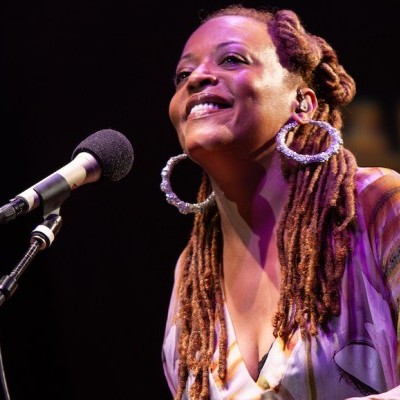
Wilson’s ability to connect to audiences helped her to win two Grammy awards and multiple other accolades. She was named an NEA Jazz Master in 2022.
Sep 3, 2026 10:44 AM
Cassandra Wilson, a singer, songwriter and producer who was one of the most acclaimed and successful jazz vocalists of…
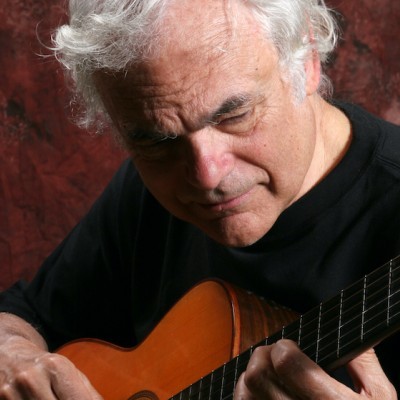
Bertoncini was a specialist and advocate for the nylon-string acoustic guitar, turning down high-profile opportunities that were unsuited to the sound and techniques that he used with that instrument.
Sep 1, 2026 11:06 AM
Gene Bertoncini, an esteemed jazz guitarist, composer, arranger and educator, died Aug. 29 at the Lillian Booth Actors…
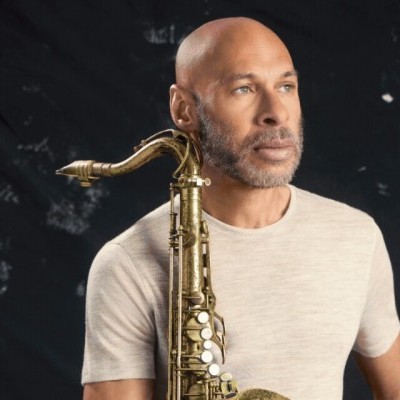
A solo concert by saxophonist Joshua Redman will close the first night of the Hyde Park Jazz Festival on Sept. 26.
Sep 22, 2026 12:26 PM
The Hyde Park Jazz Festival will take place for the 20th time on the final weekend of September 2026. Beginning half…
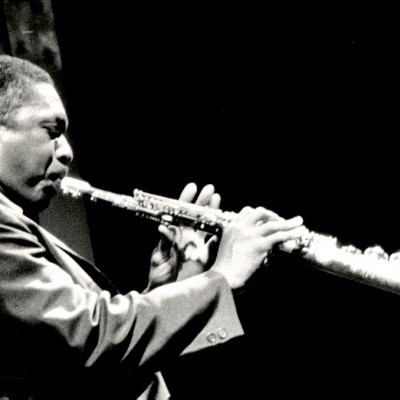
“It was just that suddenly … I could hear it,” Ravi Coltrane said of an epiphany he experienced during his late teens regarding his father’s music. “And it was almost like a calling, like something saying, ‘Hey, man, come on. It’s time to get serious.’ And the first time you really tune in and dial in and focus like that, it can be very life-changing.”
Sep 22, 2026 1:39 PM
Editor’s Note: Tomorrow, Sept. 23, is the 100th anniversary of John Coltrane’s birth. In honor of the tenor and…
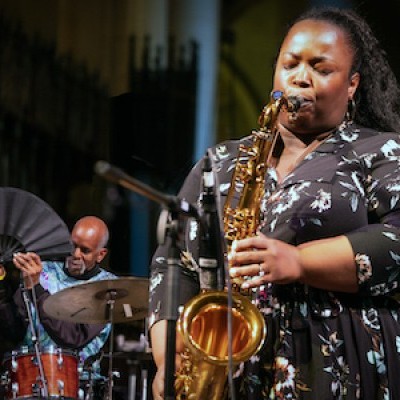
Camille Thurman took to the stage alongside bassist Kenny Davis and drummer Tommy Campbell for a rendition of Johnny Mercer’s “I’m An Old Cowhand” that recalled Rollins’ epochal 1957 trio outing Way Out West.
Oct 6, 2026 1:33 PM
As emcee Mark Ruffin noted at the commencement of an epic tribute to saxophonist Sonny Rollins at the Cathedral of…