Sep 3, 2026 10:44 AM
In Memoriam: Cassandra Wilson, 1955–2026
Cassandra Wilson, a singer, songwriter and producer who was one of the most acclaimed and successful jazz vocalists of…


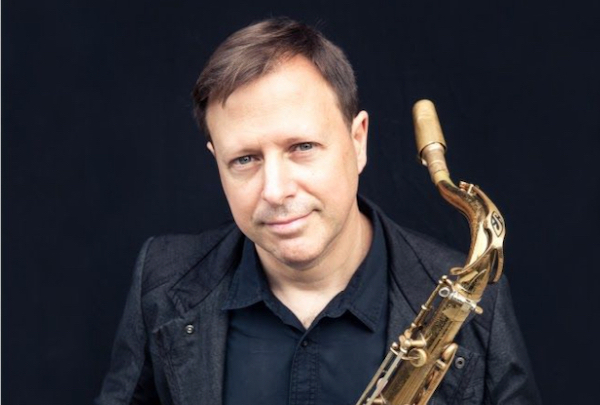
While recording There Is A Tide, Chris Potter was able to focus on thinking like a producer.
(Photo: Bill Douthart)An uncanny lightness runs through There Is A Tide, saxophonist Chris Potter’s latest full-length album, one where he plays every note on every instrument, from guitar and bass to drums and reeds.
The composer’s career, which stretches back decades and includes enduring partnerships with innovators like bassist Dave Holland, has touched on every corner of the jazz world. Potter’s as well-regarded for his work in big bands—his own, the Mingus Big Band, as well as Holland’s—as he is for performing in trios, where he summons colors, textures, honks and gleeful melodies that instantly make his mastery of the saxophone apparent.
Like much of the new record, the track “Rising Over You”—a funk-imbued excursion—serves as a bulwark against the chaos that unfolded during the summer, when Potter, 49, recorded the album at his home in Brooklyn and at his parents’ place in South Carolina, where he set up shop in his childhood bedroom.
“Some of it’s very slow and patient in a way that I really like,” he said, describing the album during a Zoom interview in October. Potter, who topped the Tenor Saxophone category in the 2020 DownBeat Readers Poll, wrote 10 songs for the program, which opens with “I Had A Dream” and concludes with “New Life (In The Wake Of Devastation).”
There Is A Tide wasn’t the only project he was working on for London-based Edition Records, though. As fall hues began to replace summer sun, Potter headed into the studio with keyboardist James Francies and drummer Eric Harland to record a follow-up to his 2019 album, Circuits. Due out in April, Sunrise Reprise reflects a tone dissimilar to Tide, offering what Potter called “a very, very different energy—long tunes, because we just couldn’t stop playing; way more stuff than I can put on an album.”
If Tide is the aural equivalent of a film actor playing multiple characters in a single scene, Sunrise is a document of interactive energy.
“Working with Chris and Eric both, they’re just such masters of what they do,” Francies recently told DownBeat. “[Playing with them] just felt like a puzzle piece fitting in. It just works. Between me and Eric, we already had a chemistry, and Eric and Chris have their chemistry. But Chris is always so into trying new stuff out—he just trusts who he plays with.”
The following has been edited for length and clarity.
There Is A Tide clearly is a pandemic-era album. You had a lot of gear at your disposal, but was there something that you couldn’t lay hands on? Were those restrictions and the availability of space part of what shaped the album?
The main restriction was me and my abilities, because no one else is on the album. When I was a teenager, I had this little cassette recorder that you could record four tracks onto, and then you bounce the other tracks on. So, I used to do that, where I played every instrument in the band and just make tracks, and mess around in different styles. So, for me, it was kind of a return to that, and it was a chance to do something like that that I always wanted to do on a more professional level. But when would I ever have the time? Well, now I have time.
I actually started it at my parents’ house—there’s more room down there in South Carolina—I could set up the drums. It was a little hard around here; probably most of the stuff that’s on the record was recorded here in Brooklyn, but the basic tracks and the writing were all done down there. It was in the same room that I had as a teenager, so it kinda felt like I was going backwards.
I mean, everyone was freaking out—I think we’re all still freaking out. And my reaction—I guess this is just what I do, anyway: I wanted to keep working and I felt like I had something to say. I didn’t even know that I would put it out, to be honest. I wasn’t really sure what I was going to do with it. I just started working on it, and then sent some of it to Dave [Stapleton, head of Edition Records].
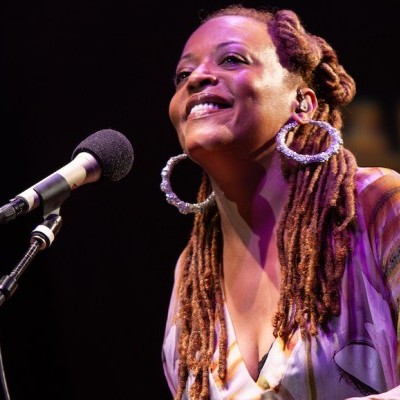
Wilson’s ability to connect to audiences helped her to win two Grammy awards and multiple other accolades. She was named an NEA Jazz Master in 2022.
Sep 3, 2026 10:44 AM
Cassandra Wilson, a singer, songwriter and producer who was one of the most acclaimed and successful jazz vocalists of…
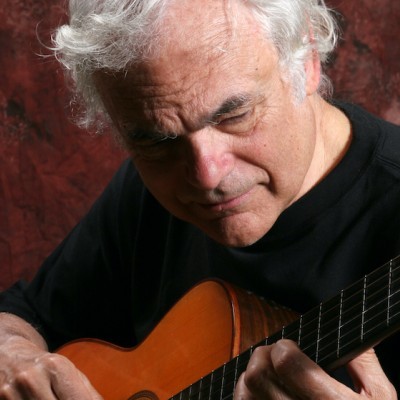
Bertoncini was a specialist and advocate for the nylon-string acoustic guitar, turning down high-profile opportunities that were unsuited to the sound and techniques that he used with that instrument.
Sep 1, 2026 11:06 AM
Gene Bertoncini, an esteemed jazz guitarist, composer, arranger and educator, died Aug. 29 at the Lillian Booth Actors…
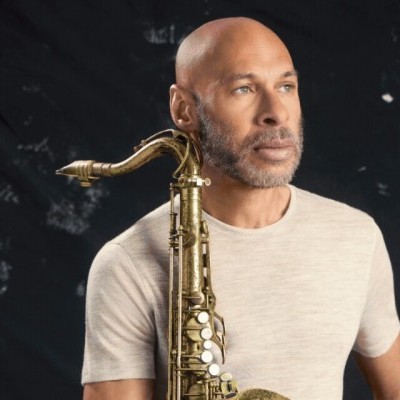
A solo concert by saxophonist Joshua Redman will close the first night of the Hyde Park Jazz Festival on Sept. 26.
Sep 22, 2026 12:26 PM
The Hyde Park Jazz Festival will take place for the 20th time on the final weekend of September 2026. Beginning half…
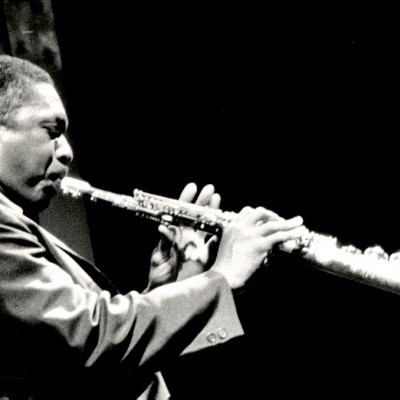
“It was just that suddenly … I could hear it,” Ravi Coltrane said of an epiphany he experienced during his late teens regarding his father’s music. “And it was almost like a calling, like something saying, ‘Hey, man, come on. It’s time to get serious.’ And the first time you really tune in and dial in and focus like that, it can be very life-changing.”
Sep 22, 2026 1:39 PM
Editor’s Note: Tomorrow, Sept. 23, is the 100th anniversary of John Coltrane’s birth. In honor of the tenor and…
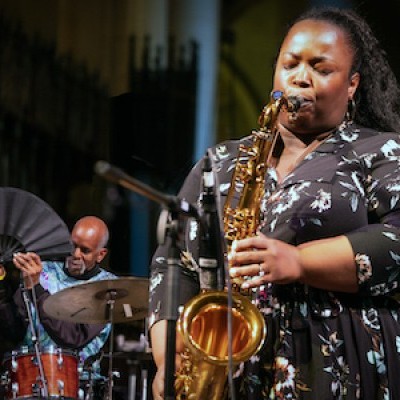
Camille Thurman took to the stage alongside bassist Kenny Davis and drummer Tommy Campbell for a rendition of Johnny Mercer’s “I’m An Old Cowhand” that recalled Rollins’ epochal 1957 trio outing Way Out West.
Oct 6, 2026 1:33 PM
As emcee Mark Ruffin noted at the commencement of an epic tribute to saxophonist Sonny Rollins at the Cathedral of…