Sep 3, 2026 10:44 AM
In Memoriam: Cassandra Wilson, 1955–2026
Cassandra Wilson, a singer, songwriter and producer who was one of the most acclaimed and successful jazz vocalists of…


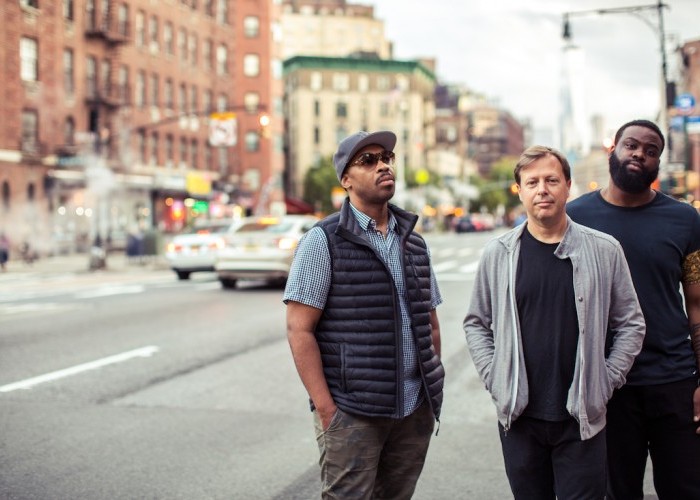
Eric Harland (left), Chris Potter and James Francies have recorded a new album, Circuits.
(Photo: Dave Stapleton)Saxophonist Chris Potter’s new album, Circuits, simultaneously is a step forward and a return to earlier territory.
His first release on the Edition label, Circuits showcases some of the groove and r&b feel that marked Potter’s Underground group. With its miles-deep cybernetic synth bass and hissing, rattling hi-hat, “Green Pastures” sounds like it could be from an old Hank Crawford or Stanley Turrentine album on CTI.
“I guess for every project I do, I think about which aspects of my musical personality to bring out more, but a lot of it comes out on a subconscious level,” the bandleader said. “I grew up listening to Stevie Wonder and Earth, Wind & Fire, so it’s a big part of my musical perspective.”
The new trio that electrifies Circuits originally was assembled for a tour. Potter wanted to pursue an electric project, and brought in a longtime sparring partner, drummer Eric Harland, who in turn recommended pianist James Francies. The live shows went so well that the saxophonist decided a studio session was in order.
“The idea was to do some stuff in trio, which was one reason Eric mentioned [James], because he can really deal with playing the keyboard bass and soloing,” Potter explained. “It’s pretty remarkable. There’s not a lot of people that could really pull that off. It was at the rehearsal that I realized, ‘Wow, this guy really has something to say.’”
Francies’ contributions to Circuits often seem to come from the world of abstract electronic music. His synths add whooshes and ambient hum in addition to zapping, high-energy melody lines and the occasional bit of conventional pianistic playing.
“Chris is very hands-off,” Francies said. “He trusts my musical choices and intuition. I’ve worked with a lot of artists outside of the jazz world, so being able to bring those sonic ideas/elements and experiment even more was a lot of fun.”
The album—which also includes bassist Linley Marthe on four tracks—isn’t just about jamming with mics on. It’s tightly edited, and Potter overdubs multiple layers of reeds throughout, harmonizing with himself. He’s done that on other recordings, just not to the extent found on Circuits.
“It was always something I had to plan out pretty carefully ahead of time, because you only had two days in the studio,” Potter said. “But now, since I have a [recording] setup here at home that I can use, I was able to take my time and do as many takes and experiment with as many different things as I wanted.”
Led by Potter’s bass clarinet, the trio turns “Koutomé,” a tune originally by the Beninese group Orchestre Poly Rhythmo de Cotonou, into a slow, layered polyrhythmic journey. “I thought it was an interesting kind of groove,” Potter said, noting that the song originally was brought to his attention by guitarist Lionel Loueke, with whom he plays in bassist Dave Holland’s quartet Aziza. “It has that African two-against-three thing in there. But it’s a little bit different than some other music that I had heard, so I thought that would be a nice flavor to bring in.”
Circuits “didn’t seem like an ECM kind of project—[label head] Manfred Eicher and I both kind of agreed on that,” Potter continued, referring to the label on which he released the acclaimed 2017 The Dreamer Is The Dream. Potter was pleased that Edition, a British label with an international roster, embraced the recording and is striving to reach “the kind of audience that might appreciate it.”
Potter’s debut as a leader, Presenting Chris Potter (Criss Cross Jazz), was released in 1993. So, more than 25 years later, with a reputation as one of the most influential saxophonists of his generation, how does that early recording relate to his current work?
Potter replied: “Some things I hear and I go, ‘Yeah, that sounds a little young,’ and other things I hear and say, ‘Oh, that’s the same decision that I would make now.’” DB
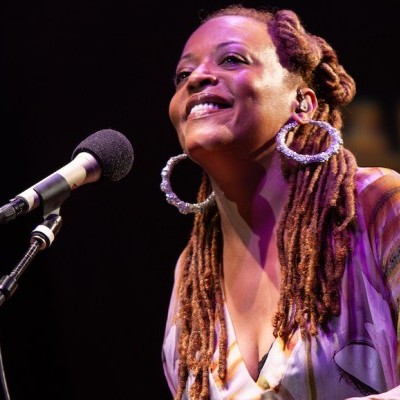
Wilson’s ability to connect to audiences helped her to win two Grammy awards and multiple other accolades. She was named an NEA Jazz Master in 2022.
Sep 3, 2026 10:44 AM
Cassandra Wilson, a singer, songwriter and producer who was one of the most acclaimed and successful jazz vocalists of…
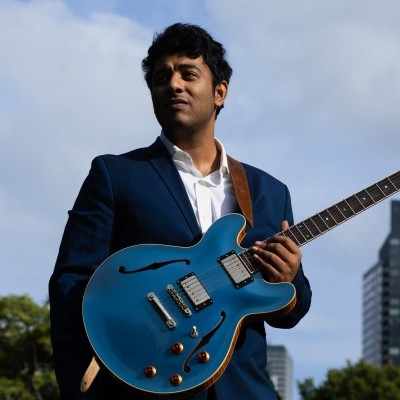
“The love from the jazz and music community restored my faith in humanity,” Walia wrote in an online post upon his release from detention at an ICE facility.
Aug 18, 2026 2:15 PM
Indian jazz guitarist and composer Pritesh Walia has been released after being unexpectedly detained by ICE and taken…
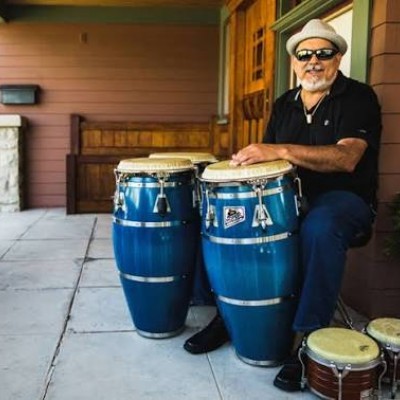
Percussionist Poncho Sanchez was among the artists scheduled to perform at the now-canceled inaugural LA Jazz Festival.
Aug 11, 2026 12:53 PM
The inaugural LA Jazz Festival, originally scheduled to run Aug. 7–23 with dozens of events across Los Angeles’…
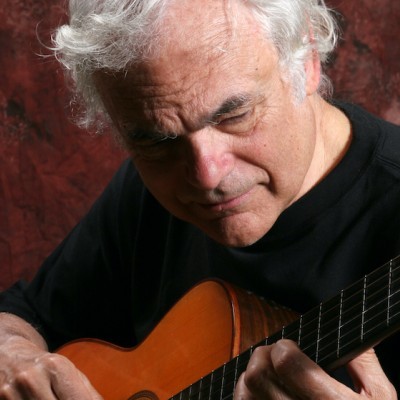
Bertoncini was a specialist and advocate for the nylon-string acoustic guitar, turning down high-profile opportunities that were unsuited to the sound and techniques that he used with that instrument.
Sep 1, 2026 11:06 AM
Gene Bertoncini, an esteemed jazz guitarist, composer, arranger and educator, died Aug. 29 at the Lillian Booth Actors…
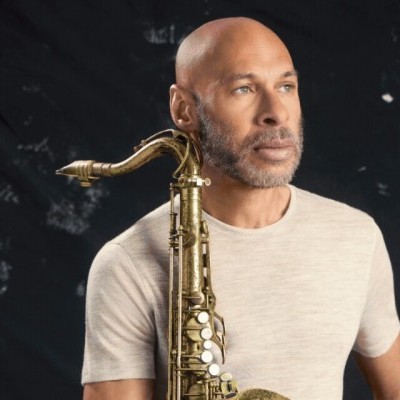
A solo concert by saxophonist Joshua Redman will close the first night of the Hyde Park Jazz Festival on Sept. 26.
Sep 22, 2026 12:26 PM
The Hyde Park Jazz Festival will take place for the 20th time on the final weekend of September 2026. Beginning half…