Sep 3, 2026 10:44 AM
In Memoriam: Cassandra Wilson, 1955–2026
Cassandra Wilson, a singer, songwriter and producer who was one of the most acclaimed and successful jazz vocalists of…


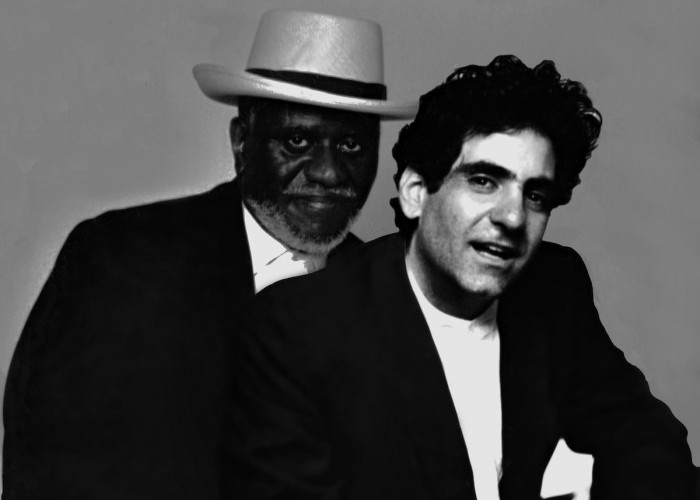
Pharoah Sanders (left) and Franklin Kiermyer
(Photo: Mobility Music)
More than two decades separate a pair of releases on Dot Time Records, each helmed by veteran drummer Franklin Kiermyer. But listening to both recordings, a very specific and sacred understanding of the music is revealed.
Originally issued in 1994 by the Evidence Music label and long out of print, Solomon’s Daughter (Dot Time 7103; 72:20 ****) is a scorched-earth touchstone in the avant-garde jazz canon whose reissue is long overdue. Cut from the spiritually informed jazz cloth of John Coltrane, the album, which features the monolithic presence and brute force of tenor saxophonist Pharoah Sanders, is again seeing the light of day at a very specific moment.
This year marks the recording’s 25th anniversary, but as Kiermyer tells it, it’s purely coincidence—a “wonderful” one. In fact, trying to get the album reissued wasn’t even on his agenda when the drummer was attending the 2018 jazzahead! Festival in Bremen, Germany. At the suggestion of his co-producer, longtime friend and mentor Michael Cuscuna, Kiermyer met with Jerry Roche, a jazz historian who works with Dot Time and was a fan of Kiermyer’s 2016 set, Closer To The Sun.
Scouting potential label homes for his current quartet, Scatter The Atoms That Remain, and its debut recording, Exultation, was actually the priority for the drummer. But Solomon’s Daughter came up in conversation.
“Jerry mentioned how much he appreciated that album and that he had known about it for a long time,” Kiermyer said.
With the rights having reverted back to the drummer, Roche expressed excitement at the prospect of reissuing the album. Kiermyer? Not so much: “Well, that’s cool, but all I’m really interested in is my band, Scattered The Atoms That Remain,” he said.
Ultimately, Kiermyer, 62, warmed to the idea of Solomon’s Daughter undergoing the reissue treatment. The addition of three unreleased bonus tracks from the original sessions—including “I Pray My Soul To Take,” a duo number with Sanders that the bandleader’s particularly fond of—was key, he said.
“From the get-go, what excited Dot Time was that the focus would be Scattered The Atoms That Remain and what would hopefully create an opening for that to percolate to the surface would be the reissue of Solomon’s Daughter,” Kiermyer said.
Whether one thinks of the album with Sanders as a companion piece to Exultation, or vice versa, the two programs are a testament to Kiermyer’s transcendental and volcanic approach to his role as leader and composer.
On Solomon’s Daughter, the drummer—under the soul-searching influence of Coltrane’s classic quartet—proves a relentless polyrhythmic force of nature, directing the traffic for Sanders, pianist John Esposito and bassist Drew Gress. Kiermyer even coined a fitting name for his part-structured, mostly improvised aesthetic: “Ecstatic American Music.”
And ecstatic it is, primarily due to the devastating screams, emotionally wrought lyricism and sensitive passages that Sanders wrangles from his tenor. From start to finish, he seemingly was on a mission, and the seismic opening track, “If I Die Before I Awake,” and the following “Three Jewels” achieved stunning—and earsplitting—results. His playing here hearkens back to the saxophonist’s time with Coltrane, as well as his own peak material as leader. Even publications outside the jazz mainstream, like Rolling Stone and Entertainment Weekly, published reviews of the album at the time of its initial release.
“I knew that in terms of the heart and the spiritual focus of ‘transcension,’ let’s call it, and the power and the sanctified faith of his playing, there was no doubt that he would be the best choice,” said Kiermyer of Sanders’ inclusion on the set.
Kiermyer’s nature is to look forward, but he does see a link between the monumental Solomon’s Daughter and the just-as-bold Exultation (Dot Time 9085; 60:44 ****), manifested by a spiritually focused vision that has remained a constant throughout his career.
“I think the intention is the same, and from my point of view, more fulfilled,” he said, lionizing Exultation. “Well, I don’t want to say that, but that’s how I feel.” DB
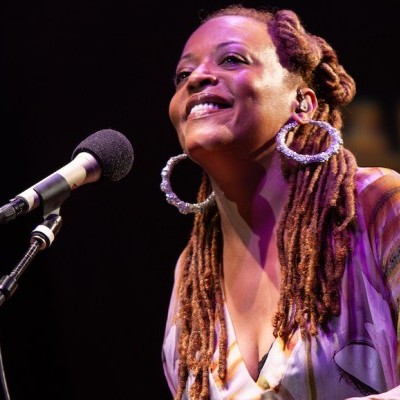
Wilson’s ability to connect to audiences helped her to win two Grammy awards and multiple other accolades. She was named an NEA Jazz Master in 2022.
Sep 3, 2026 10:44 AM
Cassandra Wilson, a singer, songwriter and producer who was one of the most acclaimed and successful jazz vocalists of…
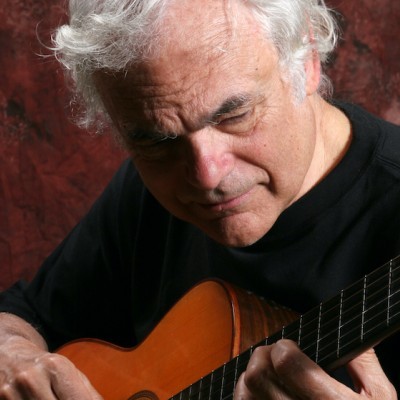
Bertoncini was a specialist and advocate for the nylon-string acoustic guitar, turning down high-profile opportunities that were unsuited to the sound and techniques that he used with that instrument.
Sep 1, 2026 11:06 AM
Gene Bertoncini, an esteemed jazz guitarist, composer, arranger and educator, died Aug. 29 at the Lillian Booth Actors…
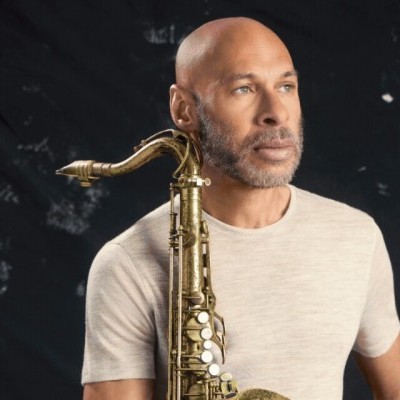
A solo concert by saxophonist Joshua Redman will close the first night of the Hyde Park Jazz Festival on Sept. 26.
Sep 22, 2026 12:26 PM
The Hyde Park Jazz Festival will take place for the 20th time on the final weekend of September 2026. Beginning half…
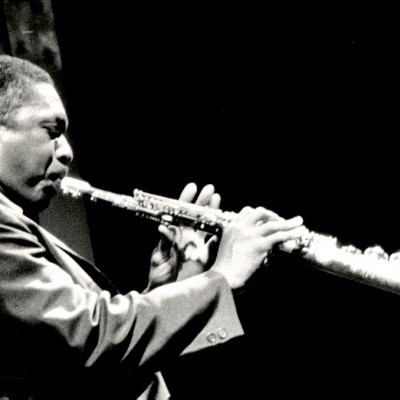
“It was just that suddenly … I could hear it,” Ravi Coltrane said of an epiphany he experienced during his late teens regarding his father’s music. “And it was almost like a calling, like something saying, ‘Hey, man, come on. It’s time to get serious.’ And the first time you really tune in and dial in and focus like that, it can be very life-changing.”
Sep 22, 2026 1:39 PM
Editor’s Note: Tomorrow, Sept. 23, is the 100th anniversary of John Coltrane’s birth. In honor of the tenor and…
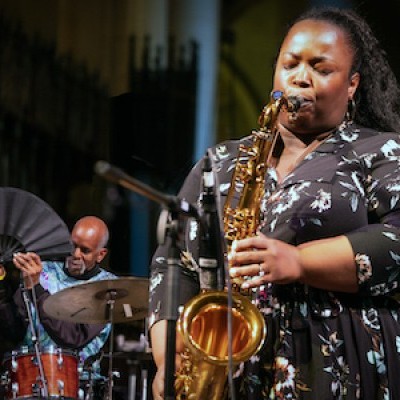
Camille Thurman took to the stage alongside bassist Kenny Davis and drummer Tommy Campbell for a rendition of Johnny Mercer’s “I’m An Old Cowhand” that recalled Rollins’ epochal 1957 trio outing Way Out West.
Oct 6, 2026 1:33 PM
As emcee Mark Ruffin noted at the commencement of an epic tribute to saxophonist Sonny Rollins at the Cathedral of…