Sep 3, 2026 10:44 AM
In Memoriam: Cassandra Wilson, 1955–2026
Cassandra Wilson, a singer, songwriter and producer who was one of the most acclaimed and successful jazz vocalists of…


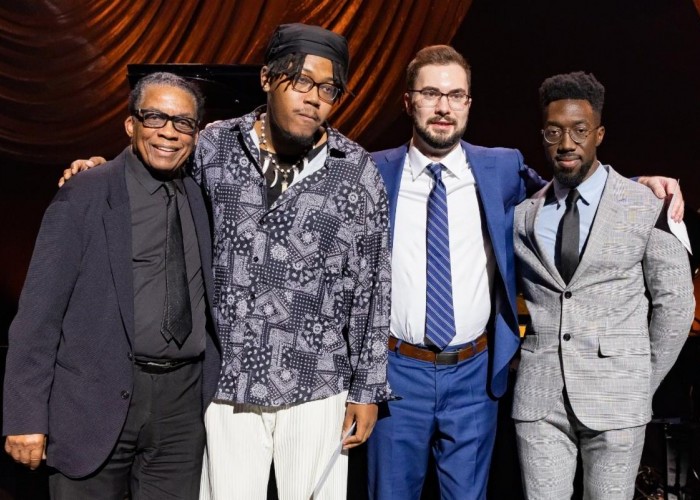
Herbie Hancock (left), Jahari Stampley, Connor Rohrer and Paul Cornish at this year’s competition, which took place Oct. 14–15 in New York.
(Photo: Courtesy of Herbie Hancock Institute of Jazz)Jahari Stampley, a 23-year-old from Chicago, won the 31st annual Herbie Hancock Institute of Jazz International Piano Competition. His prize included major scholarships and $50,000.
The two-day event occurred Oct. 14–15 at the new Perelman Performing Arts Center in New York’s Wall Street district. It was the first Hancock Institute Competition after a four-year hiatus, partly because of the pandemic.
Stampley performed two expansive compositions — his original “Prelude Entrance” and John Hicks’ “After The Morning” — that exemplified the concept of spontaneous composition through improvisation. On the former, he unlocked sonic possibilities from the piano with glee and curiosity. He starting off with a tinkling high note before tumbling down to the lower register with a devilish glissando. That gave way to rumbling improvisational passages, noted by disquieting tremolos, racing circular patterns, dissonant jabs and hammering rhythms that suggested stride piano.
But it all sounded utterly modern as if he was pulling apart fibers of many jazz idioms then reassembling them into protean cubist designs. And while a strong discernible melody hardly emerged — even during the composition’s quieter moments — the sheer audacity of his vigorous improvisation was breathtaking, especially after the competition’s house rhythm section (drummer Carl Allen and bassist Richie Goods) provided Stampley’s tsunami-like exploration with a propulsive momentum that matched the pianist’s punchy aggression.
Stampley dedicated the comparatively quiet yet glorious “After The Morning” to drummer Quindrey “Drey” Davis, a friend who had passed away the day before. Here, his playing demonstrated a more tender, reflective demeanor. But as the composition evolved, he enlivened it with cascading glissandos, rapid-fire crisscrossing improvisational lines and sparkly pointillistic melodicism, all of which accentuated the weight of sudden grief and the idea of soul transcendence.
It was Stampley’s “potentiality” that impressed Danilo Pérez, who adjudicated the competition along with Herbie Hanock, Hiromi, Bill Charlap and Orrin Evans. “[Stampley] articulated an image of a sound that was very personal,” Pérez said. “The uniqueness of his performance made a statement during that short 10 minutes.”
“When we were listening to all of the 11 contestants, we were thinking about who we wanted to continue hearing not just as judges but as fans,” Perez explained. “We were looking for someone who captured the potentiality of sound. It wasn’t easy choosing a winner, because throughout the two days, the level of technical ability from all of the pianists was high.”
23-year-old Connor Rohrer of Mechanicsburg, Pennsylvania, place second — winning $25,000 — with his suspenseful solo-piano rendering of Wayne Shorter’s “Someplace Called Where” on which he, too, investigated the instrument’s broad range of tonalities yet with a more pared-down virtuosity. He favored a florid delicacy and spacious approach.
On Rohrer’s dramatic reading of Chick Corea’s “Matrix,” he exhibited more aggressiveness in terms of velocity, tonality and deployment of dissonance. He also engaged the rhythm section with an elastic sense of dialogue and intrigue, particularly when he was trading fours with Allen.
Paul Cornish, a 26-year-old from Houston, placed third after delivering a blistering rendition of Freddie Hubbard’s “Intrepid Fox” and Duke Ellington’s “Come Sunday.” On the former, Cornish wasted no time engaging with the rhythm section as he jolted through the uptempo burner, keeping pace with the Allen’s torrential drive and Goods’ barreling bass lines. Cornish’s improvisations were crisp and unfolded with the speed and spatial design of electric currents racing through a labyrinthine circuit board.
Cornish exhibited his keen spatial awareness and flair for orchestral improvisation on his gorgeous rendition of “Come Sunday,” which nodded toward gospel-flavored soul once the rhythm section joined the foil. He won $10,000.
After the three finalists completed their sets, the evening gave way to a rousing gala that paid tribute to renowned architect and jazz enthusiast Frank Gehry, who was awarded the Herbie Hancock Humanitarian Award, and singer and songwriter Dianne Reeves, who received the 2023 Maria Fisher Founder’s Award.
Pianists A Bu and Hélène Mercier delivered a bracing duo rendezvous of George Gershwin’s “Rhapsody In Blue” in tribute to Gehry, who couldn’t attend the event because of back issues. Tenor saxophonist Joe Lovano and trumpeter Ambrose Akinmusire fronted a formidable rhythm section consisting of drummer Terri Lyne Carrington, bassist Ben Williams and Hancock as they ventured into “Speak No Evil” in honoring Gehry’s longtime friendship with Shorter.
A similar lineup with alternating additions from guitarist Romero Lubambo, pianist Helen Sung and percussionist Rogerio Boccato supported a rotating cast of splendid vocalists — Michael Mayo, Jean Baylor, Somi and Lizz Wright — in honoring Reeves. Somi’s dramatic reading of Reeves’ “Endangered Species” and Mayo and Baylor’s duet rendering of “Bridges” were both moving and fitting.
But it was Wright’s gospel-ized performance of Reeves’ “Today Will Be A Good Day” that really brought down the house. Wright’s spirted yet poised alto, during that performance, was rivaled by only Lubambo’s surprising, blues-soaked solo, which howled with the conviction of a Mississippi delta musician.
After receiving the award, Reeves joined Lubambo, a longterm collaborator, in a beautiful rendition of Sammy Cahn’s “You Taught My Heart to Sing.” DB
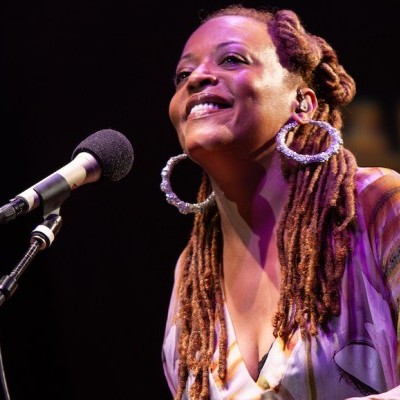
Wilson’s ability to connect to audiences helped her to win two Grammy awards and multiple other accolades. She was named an NEA Jazz Master in 2022.
Sep 3, 2026 10:44 AM
Cassandra Wilson, a singer, songwriter and producer who was one of the most acclaimed and successful jazz vocalists of…
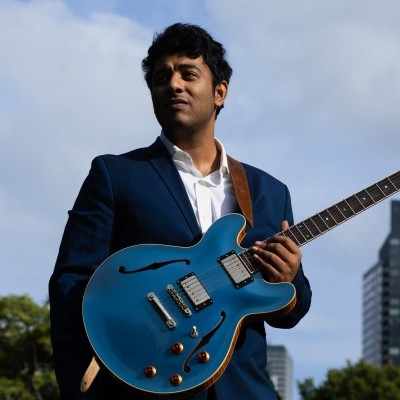
“The love from the jazz and music community restored my faith in humanity,” Walia wrote in an online post upon his release from detention at an ICE facility.
Aug 18, 2026 2:15 PM
Indian jazz guitarist and composer Pritesh Walia has been released after being unexpectedly detained by ICE and taken…
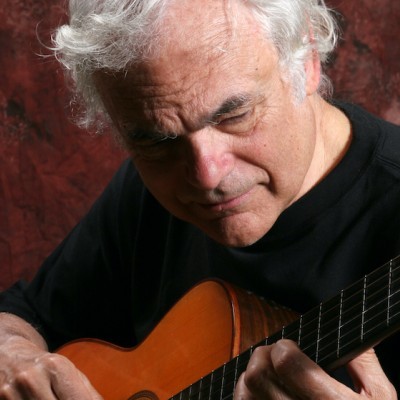
Bertoncini was a specialist and advocate for the nylon-string acoustic guitar, turning down high-profile opportunities that were unsuited to the sound and techniques that he used with that instrument.
Sep 1, 2026 11:06 AM
Gene Bertoncini, an esteemed jazz guitarist, composer, arranger and educator, died Aug. 29 at the Lillian Booth Actors…
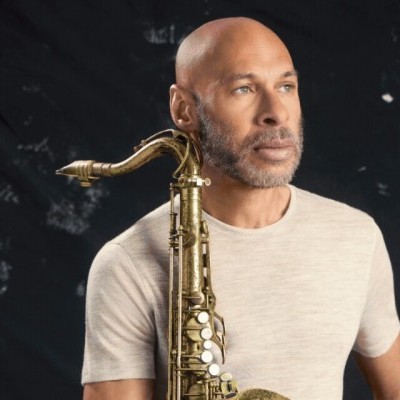
A solo concert by saxophonist Joshua Redman will close the first night of the Hyde Park Jazz Festival on Sept. 26.
Sep 22, 2026 12:26 PM
The Hyde Park Jazz Festival will take place for the 20th time on the final weekend of September 2026. Beginning half…
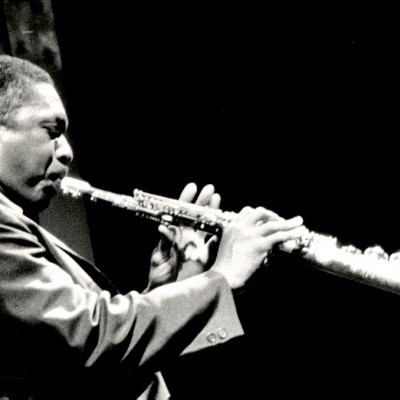
“It was just that suddenly … I could hear it,” Ravi Coltrane said of an epiphany he experienced during his late teens regarding his father’s music. “And it was almost like a calling, like something saying, ‘Hey, man, come on. It’s time to get serious.’ And the first time you really tune in and dial in and focus like that, it can be very life-changing.”
Sep 22, 2026 1:39 PM
Editor’s Note: Tomorrow, Sept. 23, is the 100th anniversary of John Coltrane’s birth. In honor of the tenor and…