Sep 3, 2026 10:44 AM
In Memoriam: Cassandra Wilson, 1955–2026
Cassandra Wilson, a singer, songwriter and producer who was one of the most acclaimed and successful jazz vocalists of…


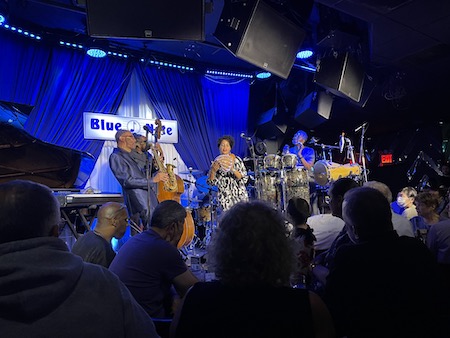
Kenny Garrett (left) and band create a festive atmosphere at the Blue Note New York during an early September engagement.
(Photo: Herb Boyd)Alto saxophonist Kenny Garrett’s most recent recording is Sounds From The Ancestors (Mack Avenue), and he summoned a host of them during his Sept. 1–4 engagement at the Blue Note New York. From pianist Keith Brown’s opening swift arpeggios to the rousing close of the first night, Garrett’s ensemble created a festive occasion at the venerated Greenwich Village venue.
In recent months, Garrett has accumulated a stockpile of awards, including winning the Alto Saxophone category in DownBeat’s 70th Annual Critics Poll and being named a 2023 NEA Jazz Master. But he is obviously not content to rest on his laurels, and he and his energetic band evoked the likes of Art Blakey, Wayne Shorter, Miles Davis and, on the final tune of their set, James Brown — with Garrett at the mic urging on the dancers leaping from their chairs and spinning to the furious rhythm.
It was a rhythm-and-blues moment that you rarely see in the club, and one that might have surprised many of Garrett’s longtime followers. More to their liking was at least two of the tunes from Sounds From The Ancestors: “It’s Time To Come Home” and the title track. The former had a lilting repetitiveness that brought Shorter to mind, and drummer Ronald Bruner and bassist Corcoran Holt evinced a deep familiarity to the undulating quality of the tune. Garrett was at the keyboard on the title track before surrendering the cosmic-like melody to the pianist. And then Garrett applied torrents of sound from his saxophone as vocalist Melvis Santa, with shekere, blended harmonically.
Toward the end of the evening, Garrett, propelled by Bruner and percussionist Rudy Bird, delighted the crowd with a lengthy solo, invoking a coterie of influences. His blistering attack included Bird-like licks, Coltrane intimations and ideas passed down to him by the veteran horn players who gave him his first lessons in Detroit. It was hard not to think of Eli Fountain’s solo on Marvin Gaye’s “What’s Going On” or, later, the intervallic flights of Eric Dolphy. But what most attendees were certain to take from the performances was Garrett doing his best onstage imitation of Brown, without the dance moves but with the groovy incantation, calling to the spirits. DB
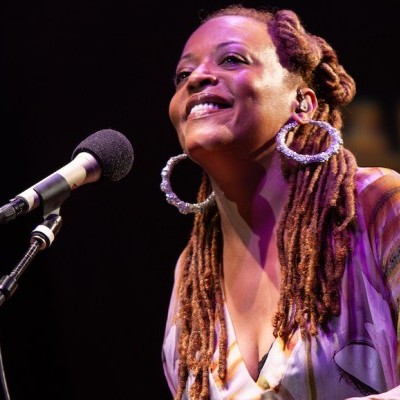
Wilson’s ability to connect to audiences helped her to win two Grammy awards and multiple other accolades. She was named an NEA Jazz Master in 2022.
Sep 3, 2026 10:44 AM
Cassandra Wilson, a singer, songwriter and producer who was one of the most acclaimed and successful jazz vocalists of…
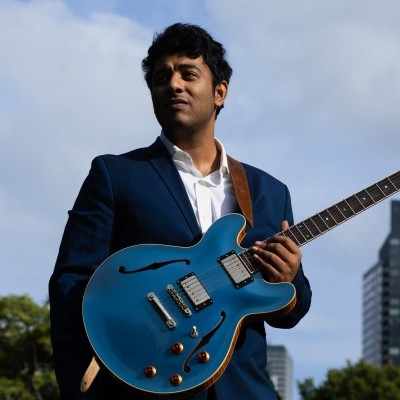
“The love from the jazz and music community restored my faith in humanity,” Walia wrote in an online post upon his release from detention at an ICE facility.
Aug 18, 2026 2:15 PM
Indian jazz guitarist and composer Pritesh Walia has been released after being unexpectedly detained by ICE and taken…
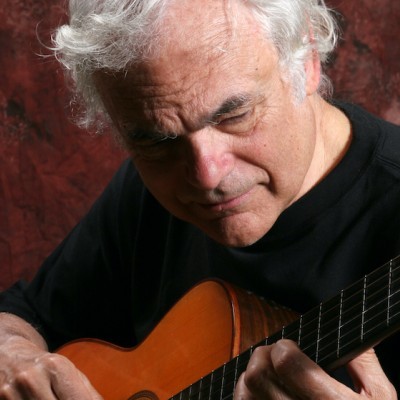
Bertoncini was a specialist and advocate for the nylon-string acoustic guitar, turning down high-profile opportunities that were unsuited to the sound and techniques that he used with that instrument.
Sep 1, 2026 11:06 AM
Gene Bertoncini, an esteemed jazz guitarist, composer, arranger and educator, died Aug. 29 at the Lillian Booth Actors…
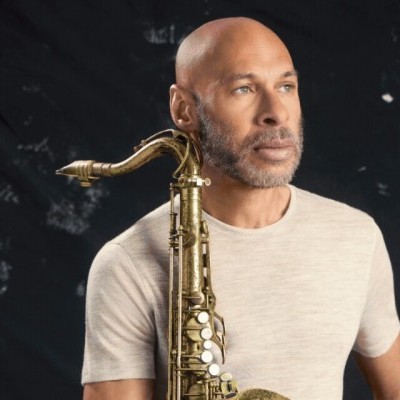
A solo concert by saxophonist Joshua Redman will close the first night of the Hyde Park Jazz Festival on Sept. 26.
Sep 22, 2026 12:26 PM
The Hyde Park Jazz Festival will take place for the 20th time on the final weekend of September 2026. Beginning half…
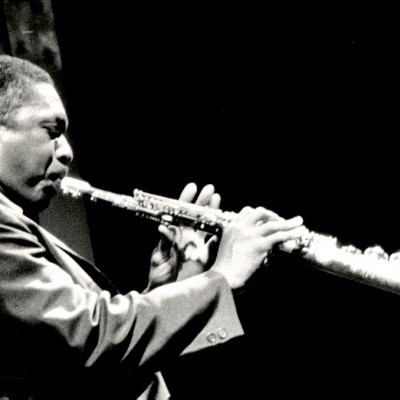
“It was just that suddenly … I could hear it,” Ravi Coltrane said of an epiphany he experienced during his late teens regarding his father’s music. “And it was almost like a calling, like something saying, ‘Hey, man, come on. It’s time to get serious.’ And the first time you really tune in and dial in and focus like that, it can be very life-changing.”
Sep 22, 2026 1:39 PM
Editor’s Note: Tomorrow, Sept. 23, is the 100th anniversary of John Coltrane’s birth. In honor of the tenor and…