Sep 3, 2026 10:44 AM
In Memoriam: Cassandra Wilson, 1955–2026
Cassandra Wilson, a singer, songwriter and producer who was one of the most acclaimed and successful jazz vocalists of…


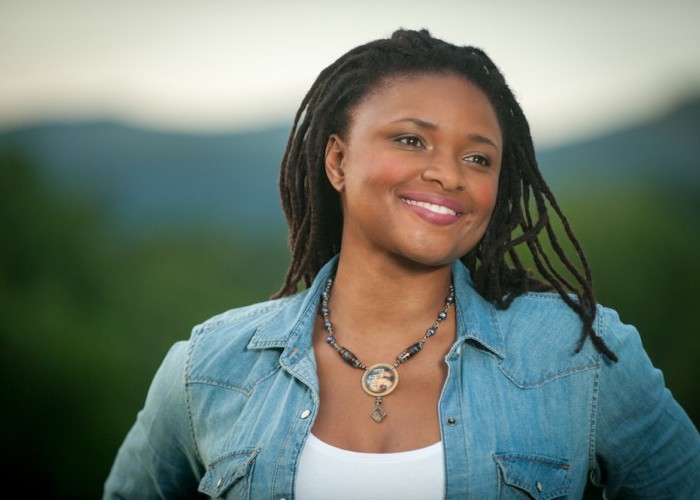
Singer Lizz Wright moved to Chicago in 2017 to serve on the board of the Little Black Pearl Art & Design Academy, which offers arts education and technical training courses in the Kenwood neighborhood on the city’s South Side.
(Photo: Jesse Kitt)Vocalist Lizz Wright has much to be proud of, including her latest accolade: Her latest release, Grace (Concord), topped the Beyond Album category in this year’s Readers Poll. But Wright is not one to call undue attention to herself. She talks in the same way that she sings—with an engaging openness and warmth. Rather than brag about her musical chops, though, she likes to show off her skills as a gardener.
Wright’s fruits and vegetables thrive in small plots near the outdoor tables of the Carver 47 Cafe, part of the Little Black Pearl Art & Design Academy in the Kenwood neighborhood on Chicago’s South Side. She moved to the city in 2017 to serve on the board of the institution, which offers arts education and technical training courses. Wright plans the menu at the cafe with the same consideration she gives to her performances.
“When I started falling in love with Chicago and the community here, I said I could not be anywhere without a garden,” recalled Wright, a Georgia native. “I also needed to be on the receiving side of music, trying to hold a space where I interact with strangers who don’t know me, because I don’t carry myself in ‘Lizz mode’ here. And to think about the music in the space I share with them, where they don’t know me, don’t care, they just want to be served and to feel something that makes their day here. It’s helped me think about what I want to do going forward.”
Wright is conscious of the history of African-American migrants bringing Southern traditions to Chicago. Such sounds illuminate Grace, whether through the vocal techniques she absorbed from singing gospel in her father’s church or her dreamlike interpretation of “Stars Fell On Alabama.” The album was informed by her response to the 2016 presidential election and how, despite political divisions, she remained close to her neighbors in North Carolina, where she previously was based. On “All The Way Here,” which she composed with Maia Sharp, Wright quietly but strongly affirms her place in contemporary America.
“I have my own sense of belonging—no political tide will rewrite that for me. So, I wanted to sing from that place,” Wright said. “It’s a great time to have your banners and flags going for whatever you stand for. You can also make statements, even of revolt with great affection, even a loving defiance. It’s what Grace is about.”
Deep connections provided another foundation for Grace. Wright’s longtime friendship with producer Joe Henry has revolved around numerous conversations about music and history, many of which influenced the album. She attributed her 20 years of working alongside pianist and choir leader Kenny Banks Sr. for the way her voice engaged with his organ lines. And she has collaborated with guitarist Chris Bruce since recording 2005’s Dreaming Wide Awake (Verve). Along with admiring Wright’s vocal timbre and rhythmic command, Bruce praised the way she transformed Allen Toussaint’s “Southern Nights.”
“The original [version] motors along quite a bit, and Lizz was feeling more of that cut-time groove and started humming that beat to the drummer,” Bruce said. “We all had to adjust to that, but it was cool. It opened all this space for the guitars in an unusual way. She gave more room to a lot of colors and made it more hypnotic.”
Since relocating to Chicago, Wright has listened to some of her older recordings—an experience that triggered thoughts of how accomplishments should fuel new directions.
“You want to be humble and you want to be unmet in a way, so you stay thirsty,” Wright said. “That’s what I’ve been creating with this [arts education] experience—that I finally heard myself as a listener who didn’t own that voice. I was grateful for where I’ve gone and what I’ve experienced, but then it’s, ‘OK, I’ve got to go back to work.’” DB
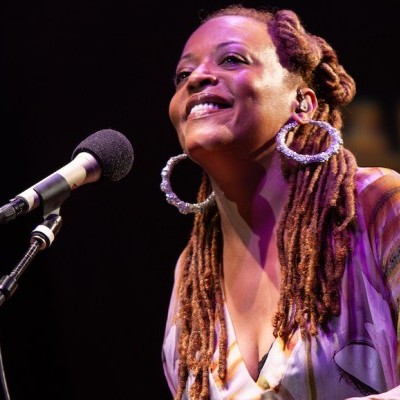
Wilson’s ability to connect to audiences helped her to win two Grammy awards and multiple other accolades. She was named an NEA Jazz Master in 2022.
Sep 3, 2026 10:44 AM
Cassandra Wilson, a singer, songwriter and producer who was one of the most acclaimed and successful jazz vocalists of…
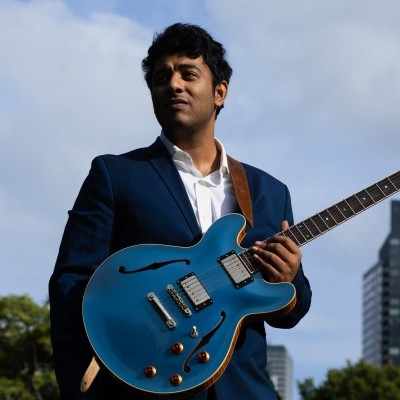
“The love from the jazz and music community restored my faith in humanity,” Walia wrote in an online post upon his release from detention at an ICE facility.
Aug 18, 2026 2:15 PM
Indian jazz guitarist and composer Pritesh Walia has been released after being unexpectedly detained by ICE and taken…
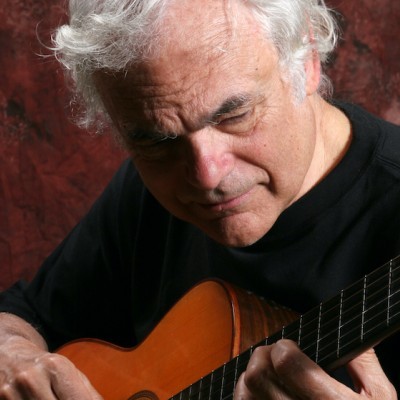
Bertoncini was a specialist and advocate for the nylon-string acoustic guitar, turning down high-profile opportunities that were unsuited to the sound and techniques that he used with that instrument.
Sep 1, 2026 11:06 AM
Gene Bertoncini, an esteemed jazz guitarist, composer, arranger and educator, died Aug. 29 at the Lillian Booth Actors…
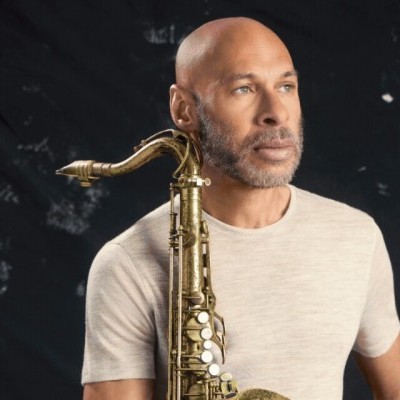
A solo concert by saxophonist Joshua Redman will close the first night of the Hyde Park Jazz Festival on Sept. 26.
Sep 22, 2026 12:26 PM
The Hyde Park Jazz Festival will take place for the 20th time on the final weekend of September 2026. Beginning half…
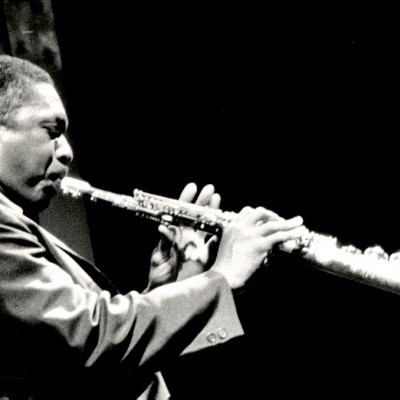
“It was just that suddenly … I could hear it,” Ravi Coltrane said of an epiphany he experienced during his late teens regarding his father’s music. “And it was almost like a calling, like something saying, ‘Hey, man, come on. It’s time to get serious.’ And the first time you really tune in and dial in and focus like that, it can be very life-changing.”
Sep 22, 2026 1:39 PM
Editor’s Note: Tomorrow, Sept. 23, is the 100th anniversary of John Coltrane’s birth. In honor of the tenor and…