Sep 3, 2026 10:44 AM
In Memoriam: Cassandra Wilson, 1955–2026
Cassandra Wilson, a singer, songwriter and producer who was one of the most acclaimed and successful jazz vocalists of…


When Maria Schneider (pictured) testified before Congress about the current U.S. copyright law’s (DMCA) notice and takedown provisions, she urged legislators to make major changes.
(Photo: Jimmy Katz)When Maria Schneider testified before Congress about the current U.S. copyright law’s (DMCA) notice and takedown provisions, she urged legislators to make four major changes:
1) Congress should require streaming services that want protection from copyright infringement lawsuits to effectively educate their users on creators’ rights, including a commonsense set of “checkpoints” at the time of upload. Uploaders should have to sign a statement, under penalty of perjury, verifying ownership, permission or precise grounds of “fair use”—just as copyright owners must do for a takedown.
2) The use of fingerprinting technology (like YouTube’s Content ID) should be required of all streaming services. Fingerprinting for blocking uploads should be offered to all copyright holders, without discrimination.
3) Companies should be required to use and share the best technologies available to prevent infringement.
4) “Take down” should mean “stay down,” so that musicians are not stuck in an endless game of “whack-a-mole.”
Schneider and other songwriters founded MusicAnswers.org to educate and mobilize musicians as well as consumers. “Every musician and fan should sign onto our campaign,” Schneider said. “Go to MusicAnswers.org, get educated and sign our Declaration of Principles. Google and other large corporations heavily lobby Congress. But we have our numbers and our stories. We need everyone on board, so we can become a massive force to be reckoned with.
“The music-buying public needs to understand which music sites to patronize and which to avoid. We care so much about the sourcing of our food and our clothing. We want music fans to be just as careful about the sourcing of their music.” DB
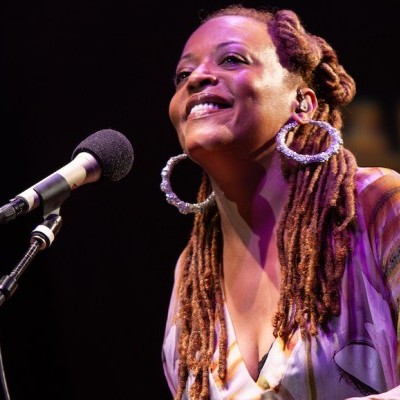
Wilson’s ability to connect to audiences helped her to win two Grammy awards and multiple other accolades. She was named an NEA Jazz Master in 2022.
Sep 3, 2026 10:44 AM
Cassandra Wilson, a singer, songwriter and producer who was one of the most acclaimed and successful jazz vocalists of…
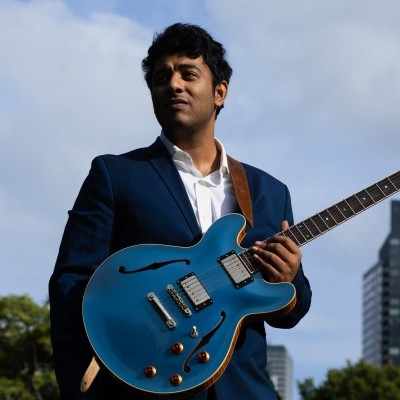
“The love from the jazz and music community restored my faith in humanity,” Walia wrote in an online post upon his release from detention at an ICE facility.
Aug 18, 2026 2:15 PM
Indian jazz guitarist and composer Pritesh Walia has been released after being unexpectedly detained by ICE and taken…
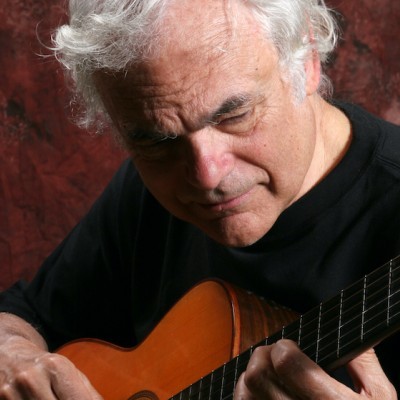
Bertoncini was a specialist and advocate for the nylon-string acoustic guitar, turning down high-profile opportunities that were unsuited to the sound and techniques that he used with that instrument.
Sep 1, 2026 11:06 AM
Gene Bertoncini, an esteemed jazz guitarist, composer, arranger and educator, died Aug. 29 at the Lillian Booth Actors…
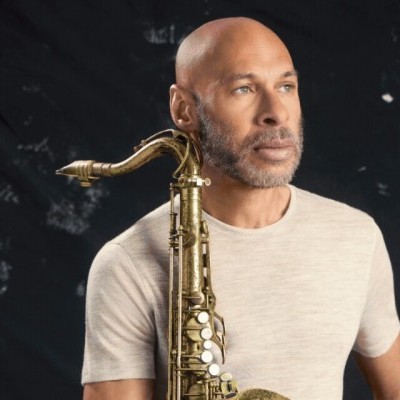
A solo concert by saxophonist Joshua Redman will close the first night of the Hyde Park Jazz Festival on Sept. 26.
Sep 22, 2026 12:26 PM
The Hyde Park Jazz Festival will take place for the 20th time on the final weekend of September 2026. Beginning half…
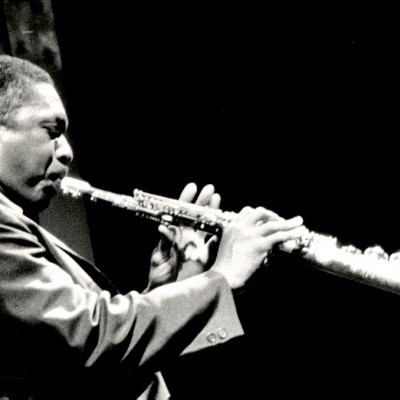
“It was just that suddenly … I could hear it,” Ravi Coltrane said of an epiphany he experienced during his late teens regarding his father’s music. “And it was almost like a calling, like something saying, ‘Hey, man, come on. It’s time to get serious.’ And the first time you really tune in and dial in and focus like that, it can be very life-changing.”
Sep 22, 2026 1:39 PM
Editor’s Note: Tomorrow, Sept. 23, is the 100th anniversary of John Coltrane’s birth. In honor of the tenor and…