Sep 3, 2026 10:44 AM
In Memoriam: Cassandra Wilson, 1955–2026
Cassandra Wilson, a singer, songwriter and producer who was one of the most acclaimed and successful jazz vocalists of…


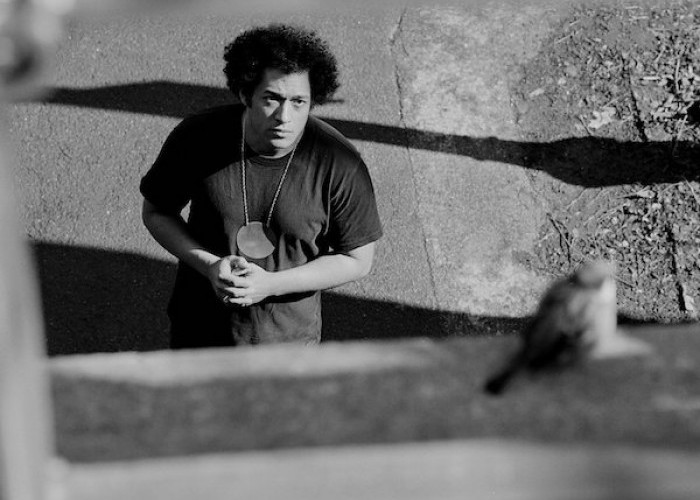
Makaya McCraven performs as part of the International Anthem Summer Showcase at (Le) Poisson Rouge in New York on June 12.
(Photo: Peter Gannushkin)On June 12, the Chicagoans invaded New York. That’s when (Le) Poisson Rouge held a showcase for International Anthem Recording Company, a Chicago-based label with a bevy of emerging jazz stars on their roster. Three such artists took the stage that night: Brooklyn transplant trumpeter Jaimie Branch, fast-rising drummer Makaya McCraven and the Chicago Underground Duo, which comprises drummer/percussionist Chad Taylor and cornetist Rob Mazurek.
The show began at 10 p.m., with tightly delivered, concise sets running until 1 a.m. Often chosen as a prime spot to host showcase events, (Le) Poisson Rouge excels in sound and light, the latter being as experimental as the music, magnifying the moods of each grouping.
During the late-night Sunday slot, the three acts remained within the realm of jazz, without overly veering off into the now-common pastures of soul or hip-hop. Secondary strains most commonly emanated from the worlds of funk, electronica and African music.
The Jaimie Branch Quartet featured Tomeka Reid (cello), Jason Ajemian (bass) and Chad Taylor (drums), the leader making an immediate impression with her powerful attack. This pushy crackle was akin to that made by Don Cherry in his more aggressive stretches. A sudden cut to solo cello went from slow bowing to delicate pizzicato, with Branch making a peppery return as Taylor clattered lightly. Reid bowed deep drones on her cello in tandem with Ajemian, while Branch made spiky interjections, setting up a lung-depth drone of her own.
While these strategies suggest an out-there extremity, the music was kept accessible via its cantering groove. A decelerated noir piece displayed another aspect, as Branch played torchy trumpet and Reid crafted weeping strokes against the strings. The frequent changes from invididual instruments to knitted group propulsion fueled a sense of engagement throughout.
Taylor returned as half of the Chicago Underground Duo, joined by Mazurek, who subtly enhanced his pure cornet tone with layers of electronic texture. Taylor also tinkered with his own array of effects devices, toggling between full-blown electronic pulse and acoustic-leaning simplicity.
Some of the sounds were similar to a mbira, and Taylor actually played a real thumb piano toward the end of the set. At its most extreme, the onslaught became a dense sonic cascade: drums tumbling, cornet heavily reverbed, the overall effect enjoyably oppressive. Dark, grainy swirls created a tonal drone, out of which emerged an acoustic dialogue. Its intimate sensitivity was all the more shocking when it followed the electric storm.
Paris-born Chicagoan McCraven’s combo also included Marquis Hill (trumpet), Greg Ward (alto saxophone), Junius Paul (bass) and Justefan (aka Justin Thomas) on vibraphone. Slinkiness pervaded from the start, but an introverted moodiness gradually livened things up, operating around the leader’s subtle shuffle. McCraven’s “Slightest Right” (its original recording was the result of improvisation) made for a fitting transition into Ornette Coleman’s “Lonely Woman.”
Ward slowly unfurled the central theme via a labyrinthine alto development, talkative and brightly expressive. A general miasma grew out of this recognizable portion, with McCraven instituting a rolling groove descended from drum ’n’ bass rhythms.
Justefan’s luminous vibraphone solo suggested a meditative suspension, slowing down toward another drum solo. By this time, many in the crowd must have been wondering whether the song was still “Lonely Woman,” but as the alto rose up out of the calm, the tune came back in its classic form, gaining a manaic pulse that changed the feel yet again, characteristically beyond anything else that had preceded. DB
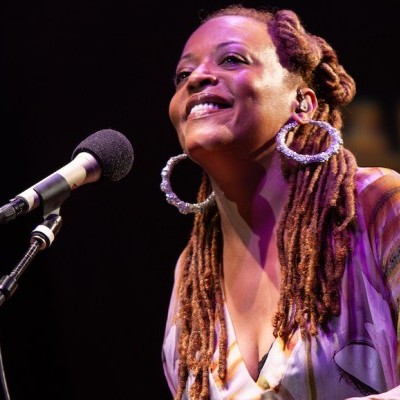
Wilson’s ability to connect to audiences helped her to win two Grammy awards and multiple other accolades. She was named an NEA Jazz Master in 2022.
Sep 3, 2026 10:44 AM
Cassandra Wilson, a singer, songwriter and producer who was one of the most acclaimed and successful jazz vocalists of…
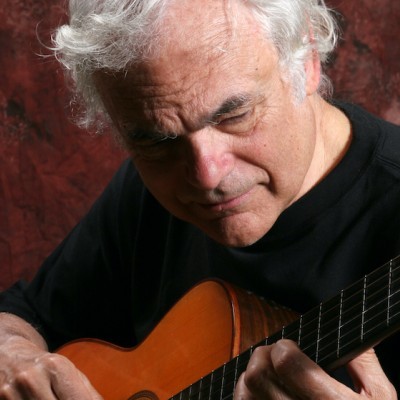
Bertoncini was a specialist and advocate for the nylon-string acoustic guitar, turning down high-profile opportunities that were unsuited to the sound and techniques that he used with that instrument.
Sep 1, 2026 11:06 AM
Gene Bertoncini, an esteemed jazz guitarist, composer, arranger and educator, died Aug. 29 at the Lillian Booth Actors…
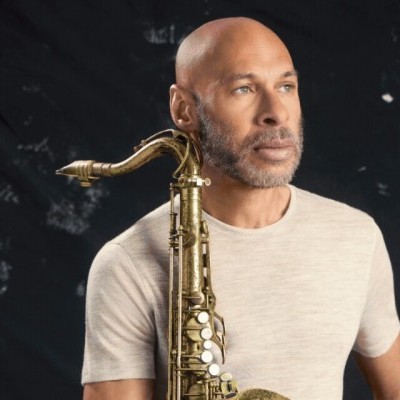
A solo concert by saxophonist Joshua Redman will close the first night of the Hyde Park Jazz Festival on Sept. 26.
Sep 22, 2026 12:26 PM
The Hyde Park Jazz Festival will take place for the 20th time on the final weekend of September 2026. Beginning half…
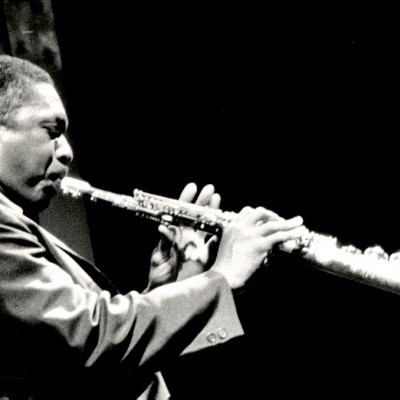
“It was just that suddenly … I could hear it,” Ravi Coltrane said of an epiphany he experienced during his late teens regarding his father’s music. “And it was almost like a calling, like something saying, ‘Hey, man, come on. It’s time to get serious.’ And the first time you really tune in and dial in and focus like that, it can be very life-changing.”
Sep 22, 2026 1:39 PM
Editor’s Note: Tomorrow, Sept. 23, is the 100th anniversary of John Coltrane’s birth. In honor of the tenor and…
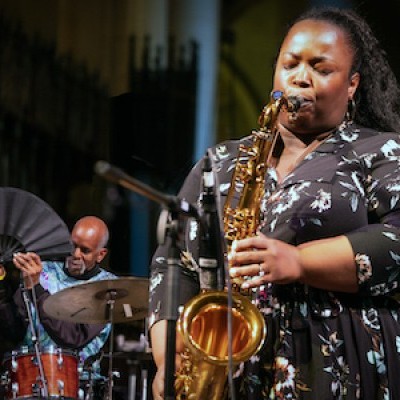
Camille Thurman took to the stage alongside bassist Kenny Davis and drummer Tommy Campbell for a rendition of Johnny Mercer’s “I’m An Old Cowhand” that recalled Rollins’ epochal 1957 trio outing Way Out West.
Oct 6, 2026 1:33 PM
As emcee Mark Ruffin noted at the commencement of an epic tribute to saxophonist Sonny Rollins at the Cathedral of…