Sep 3, 2026 10:44 AM
In Memoriam: Cassandra Wilson, 1955–2026
Cassandra Wilson, a singer, songwriter and producer who was one of the most acclaimed and successful jazz vocalists of…


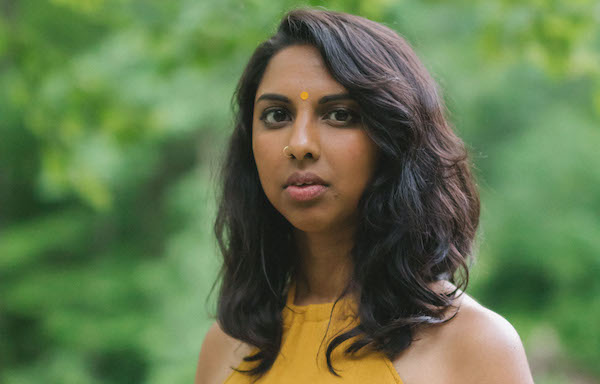
Amirtha Kidambi is among the artists who have signed the “Public Letter of Concern by Working Artists for Ethical Cancellations.”
(Photo: Chris Weiss)As initiatives to assist musicians during a time of lost and postponed gigs due to the coronavirus pandemic continue to roll out—including the Louis Armstrong Emergency Relief Fund for Jazz Musicians and COVID-19 Arts Aid PHL—a public letter asks that cultural institutions work with performers on finding a solution.
Vocalist and bandleader Amirtha Kidambi said that about 400 musicians, including Vijay Iyer, Mary Halvorson, Matana Roberts and Marc Ribot, have signed on to the “Public Letter of Concern by Working Artists for Ethical Cancellations.”
“I started this initiative particularly because I’m a bandleader, and saw a path forward for immediately getting money to pay out to my band, which they expected before April 1. ... This is one particular short term solution, that will only deal with previously contracted gigs that were scheduled to take place in the near future,” Kidambi wrote in an email to DownBeat. “[The letter] does not address the government or other potentially initiatives. While the response [to economic concerns has been] diffuse, I think it is important to work on every possible front, as the timeline to get money from a grant or from the city/state/federal government would be much further out. We have to work on multiple fronts. Not everyone will be able to apply for emergency grants, unemployment or other funding, so there needs to be other ways to get folks money.”
The letter, which initially was posted March 31 and has no deadline to sign on, outlines three main objectives: artists garnering a percentage of fees for previously arranged performances, renegotiating postponed events and the development of alternative performance models.
The letter can be read in full here. DB
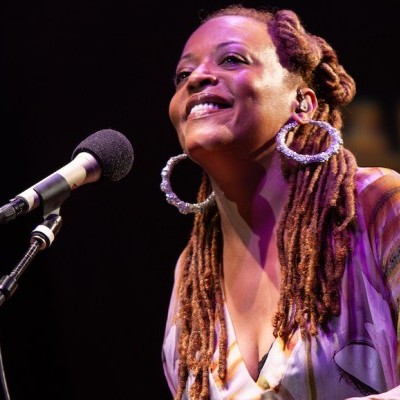
Wilson’s ability to connect to audiences helped her to win two Grammy awards and multiple other accolades. She was named an NEA Jazz Master in 2022.
Sep 3, 2026 10:44 AM
Cassandra Wilson, a singer, songwriter and producer who was one of the most acclaimed and successful jazz vocalists of…
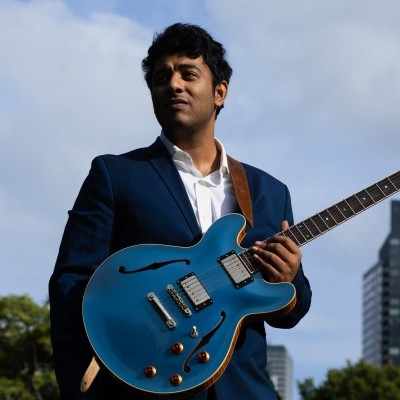
“The love from the jazz and music community restored my faith in humanity,” Walia wrote in an online post upon his release from detention at an ICE facility.
Aug 18, 2026 2:15 PM
Indian jazz guitarist and composer Pritesh Walia has been released after being unexpectedly detained by ICE and taken…
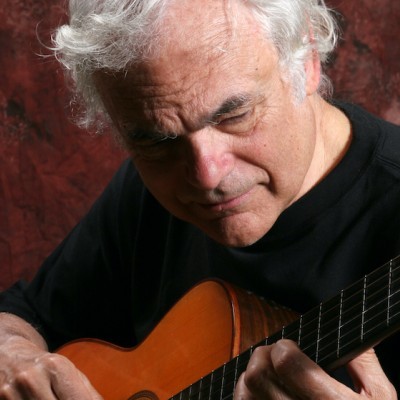
Bertoncini was a specialist and advocate for the nylon-string acoustic guitar, turning down high-profile opportunities that were unsuited to the sound and techniques that he used with that instrument.
Sep 1, 2026 11:06 AM
Gene Bertoncini, an esteemed jazz guitarist, composer, arranger and educator, died Aug. 29 at the Lillian Booth Actors…
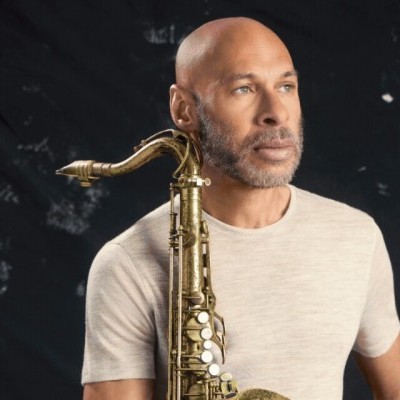
A solo concert by saxophonist Joshua Redman will close the first night of the Hyde Park Jazz Festival on Sept. 26.
Sep 22, 2026 12:26 PM
The Hyde Park Jazz Festival will take place for the 20th time on the final weekend of September 2026. Beginning half…
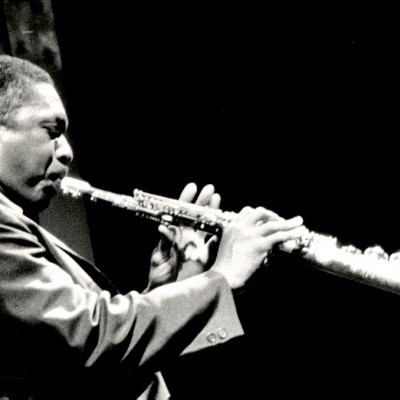
“It was just that suddenly … I could hear it,” Ravi Coltrane said of an epiphany he experienced during his late teens regarding his father’s music. “And it was almost like a calling, like something saying, ‘Hey, man, come on. It’s time to get serious.’ And the first time you really tune in and dial in and focus like that, it can be very life-changing.”
Sep 22, 2026 1:39 PM
Editor’s Note: Tomorrow, Sept. 23, is the 100th anniversary of John Coltrane’s birth. In honor of the tenor and…