Sep 3, 2026 10:44 AM
In Memoriam: Cassandra Wilson, 1955–2026
Cassandra Wilson, a singer, songwriter and producer who was one of the most acclaimed and successful jazz vocalists of…


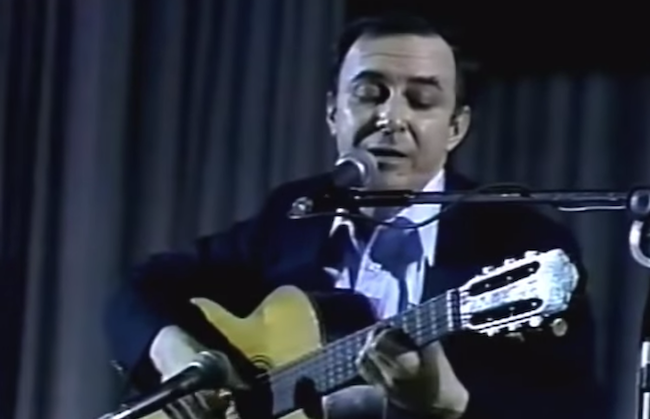
João Gilberto (1931–2019)
(Photo: YouTube Screenshot)To mark the passing of João Gilberto, we’re revisiting the piece below, which originally ran in our March 2016 issue.
Resonance Records producer Zev Feldman unabashedly refers to the tapes of Stan Getz’s quartet and Brazilian guitarist/singer João Gilberto at Keystone Korner in May 1976 as “the crown jewels.” They are now available as two albums, Moments In Time (by Getz’s quartet with pianist Joanne Brackeen, drummer Billy Hart and bassist Clint Houston) and Getz/Gilberto ’76, featuring the same personnel, plus the legendary guitarist.
“When [Resonance founder] George Klabin and I learned about these tapes, we realized how important they were,” Feldman said. “And when I finally heard them, I just melted. I started thinking about how we could get these performances out to the public, and I never stopped thinking about it.”
Former Keystone Korner owner Todd Barkan, now a New York City-based producer, couldn’t stop thinking about them, either.
“For years, I kept those recordings in a sealed box like a little savings account,” said Barkan. “I’ve long considered these recordings to be the anchor of the club’s legacy, and it has been a mission of mine to get these out someday.”
“We started working with Todd in 2009,” said Feldman, “and at first he wasn’t even willing to discuss the possibility. We had to prove ourselves.”
One of the keys for both Barkan and Resonance was ensuring that all the rights were cleared, performers or their estates paid and the packaging put together in a way that reflected the performances’ historical importance.
Feldman and Klabin interviewed pianist Brackeen and drummer Hart—the surviving members of Getz’s quartet—and commissioned essays from jazz historian James Gavin and critic Ted Panken. Barkan and Getz’s son Steve contributed commentary, and Feldman wrote about the quest to bring the recordings to the public.
“This project took three years,” said Barkan. “The term ‘labor of love’ is terribly overused, but this is one.” DB
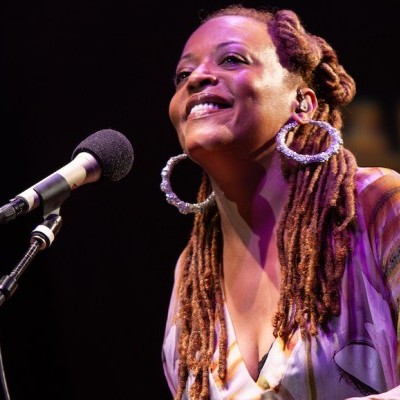
Wilson’s ability to connect to audiences helped her to win two Grammy awards and multiple other accolades. She was named an NEA Jazz Master in 2022.
Sep 3, 2026 10:44 AM
Cassandra Wilson, a singer, songwriter and producer who was one of the most acclaimed and successful jazz vocalists of…
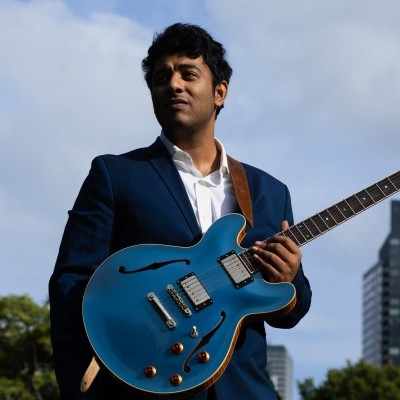
“The love from the jazz and music community restored my faith in humanity,” Walia wrote in an online post upon his release from detention at an ICE facility.
Aug 18, 2026 2:15 PM
Indian jazz guitarist and composer Pritesh Walia has been released after being unexpectedly detained by ICE and taken…
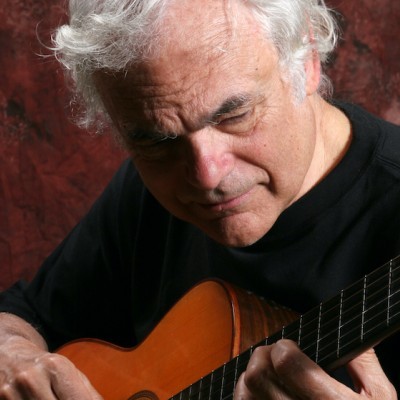
Bertoncini was a specialist and advocate for the nylon-string acoustic guitar, turning down high-profile opportunities that were unsuited to the sound and techniques that he used with that instrument.
Sep 1, 2026 11:06 AM
Gene Bertoncini, an esteemed jazz guitarist, composer, arranger and educator, died Aug. 29 at the Lillian Booth Actors…
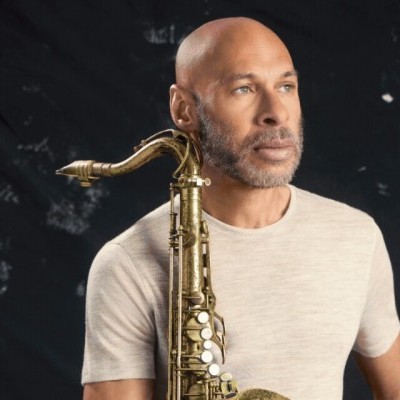
A solo concert by saxophonist Joshua Redman will close the first night of the Hyde Park Jazz Festival on Sept. 26.
Sep 22, 2026 12:26 PM
The Hyde Park Jazz Festival will take place for the 20th time on the final weekend of September 2026. Beginning half…
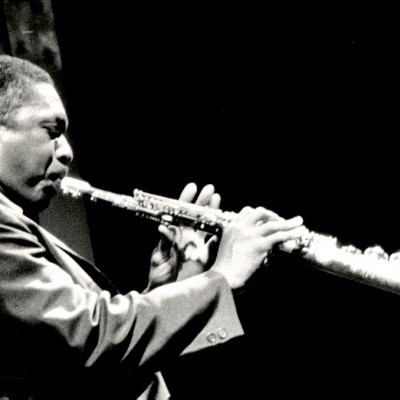
“It was just that suddenly … I could hear it,” Ravi Coltrane said of an epiphany he experienced during his late teens regarding his father’s music. “And it was almost like a calling, like something saying, ‘Hey, man, come on. It’s time to get serious.’ And the first time you really tune in and dial in and focus like that, it can be very life-changing.”
Sep 22, 2026 1:39 PM
Editor’s Note: Tomorrow, Sept. 23, is the 100th anniversary of John Coltrane’s birth. In honor of the tenor and…