Sep 3, 2026 10:44 AM
In Memoriam: Cassandra Wilson, 1955–2026
Cassandra Wilson, a singer, songwriter and producer who was one of the most acclaimed and successful jazz vocalists of…


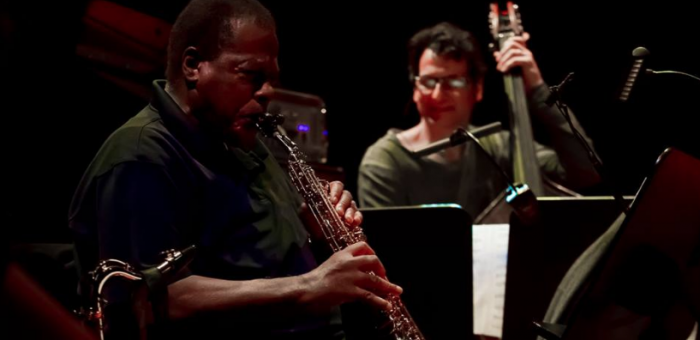
Wayne Shorter (left) and John Patitucci perform at the Jazztopad Festival in Worclaw, Poland.
(Photo: Boguslaw Beszlej/Arch. NFM)This was Shorter’s third time at the festival, but his first as a commissioned artist. To honor the occasion, the festival placed a special “walk of fame”-style plaque in front of the new NFM hall the night before the concert.
In the chill of the evening, a crowd gathered as festival general director Andrzej Kosendiak presided over a presentation of the new Shorter plaque, nearby famed conductors Christoph Eschenbach’s and Sir John Elliot Gardiner’s squares. Shorter told the bundled-up gathering “I really appreciate this surprise… Sometimes, I’m filling out a form and they ask me ‘what is your profession?’ I like to put ‘decomposer.’”
In an earlier press conference, Shorter offered one of his characteristically poetic yet pointed 15-minute oration about the new piece, humbly suggesting that “this music is just a drop in the ocean of life. What is this music for? Playing music is like looking through a microscope.”
But in this case, the underlying theme is more than macro. Shorter ended his press conference by saying that “music is a vehicle to discover what it means to become more than human, in eternity.” He left us with a statement whose philosophical implications could easily also allude to widespread political fears of the day: “Never give up.”
Shorter’s performance of The Unfolding in Monterey in September possessed that tingly thrill of the “ink-still-wet” newness of a world premiere. But the Jazztopad performance—the third performance, after one at the Kennedy Center—was vastly better, not only because the composer has tweaked the score and the ensemble, but because the Lutosair Quartet, conducted by Rodoslaw Labahua, seemed more fluent in the subtleties of contemporary music and a taste of swing.
Shorter’s latest chamber-meets-jazz-quartet score, following on the heels of the rococo splendor of his piece Gaia, is something very special, evolving (and unfolding) ever higher ground as it goes. Here, Shorter has refined his orchestral palette and created an organically integrated 20-plus minute piece that captures the fragile intersection of “classical” vocabulary and Shorter-esque ideas in the harmonic, rhythmic and structural realms.
It’s one of the best “chamber jazz” pieces of the modern era, well worth repeating and recording. Shorter’s affirming spirit was of hale health in Wroclaw, in synch with the precocious teenaged festival’s own prevailing spirit.
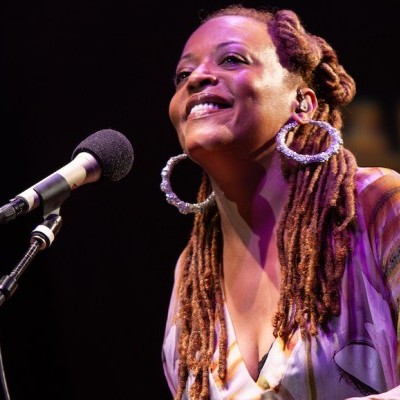
Wilson’s ability to connect to audiences helped her to win two Grammy awards and multiple other accolades. She was named an NEA Jazz Master in 2022.
Sep 3, 2026 10:44 AM
Cassandra Wilson, a singer, songwriter and producer who was one of the most acclaimed and successful jazz vocalists of…
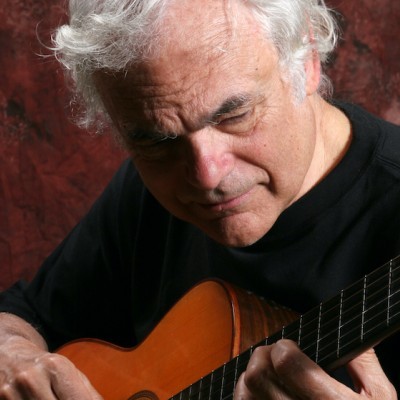
Bertoncini was a specialist and advocate for the nylon-string acoustic guitar, turning down high-profile opportunities that were unsuited to the sound and techniques that he used with that instrument.
Sep 1, 2026 11:06 AM
Gene Bertoncini, an esteemed jazz guitarist, composer, arranger and educator, died Aug. 29 at the Lillian Booth Actors…
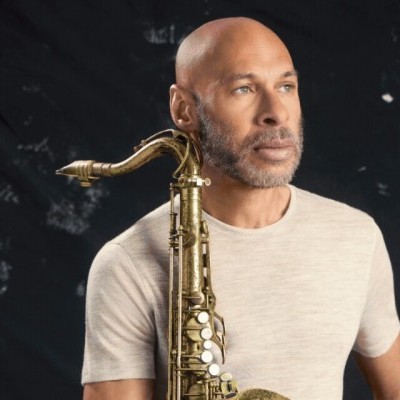
A solo concert by saxophonist Joshua Redman will close the first night of the Hyde Park Jazz Festival on Sept. 26.
Sep 22, 2026 12:26 PM
The Hyde Park Jazz Festival will take place for the 20th time on the final weekend of September 2026. Beginning half…
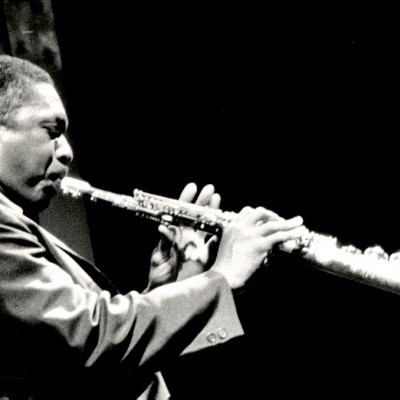
“It was just that suddenly … I could hear it,” Ravi Coltrane said of an epiphany he experienced during his late teens regarding his father’s music. “And it was almost like a calling, like something saying, ‘Hey, man, come on. It’s time to get serious.’ And the first time you really tune in and dial in and focus like that, it can be very life-changing.”
Sep 22, 2026 1:39 PM
Editor’s Note: Tomorrow, Sept. 23, is the 100th anniversary of John Coltrane’s birth. In honor of the tenor and…
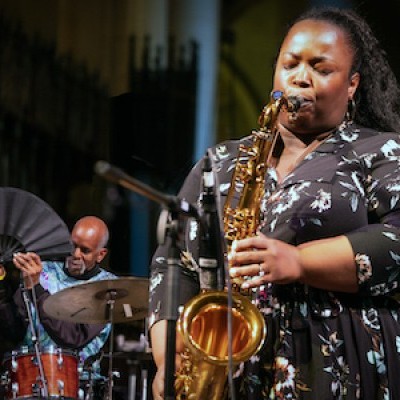
Camille Thurman took to the stage alongside bassist Kenny Davis and drummer Tommy Campbell for a rendition of Johnny Mercer’s “I’m An Old Cowhand” that recalled Rollins’ epochal 1957 trio outing Way Out West.
Oct 6, 2026 1:33 PM
As emcee Mark Ruffin noted at the commencement of an epic tribute to saxophonist Sonny Rollins at the Cathedral of…