Sep 3, 2026 10:44 AM
In Memoriam: Cassandra Wilson, 1955–2026
Cassandra Wilson, a singer, songwriter and producer who was one of the most acclaimed and successful jazz vocalists of…


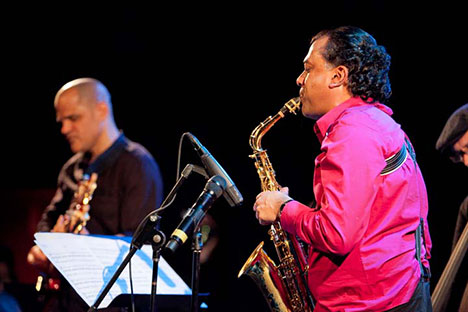
David Fiuczynski (left) and Rudresh Mahanthappa at Sullivan Hall on Jan. 12 (Photo: John Rogers/johnrogersnyc.com)
(Photo: )Now expanded to six venues and more than 70 artists, Winter Jazzfest is New York’s annual State of the Music address. Young up-and-comers and elder statesmen showcase—in 45-minute increments—their latest and often most cutting-edge projects in small, intimate rooms. The musicians pack those rooms with many people who don’t otherwise patronize jazz. Festival organizers claimed that 5,000 patrons attended the event. It’s as successful as messaging in the jazz world gets.
The broad swath of performance is condensed into two nights, Jan. 11–12, on and around Greenwich Village’s Bleecker Street. (Five venues are within a two-block span, but Bowery Electric and Culture Project Theater—both new to the festival in 2013—are a half-mile from that nucleus, complicating things a bit.) By squeezing that many shows into only a few venues, organizers allowed audiences to approach the fest in two ways: One could float back and forth among several venues, picking and choosing artists or bands to see, or settle in early at a single club that offered an equal variety of performers, styles and visions.
The latter approach was ideal during Friday night’s cold, pouring rain. A steady hang at West Third Street’s Zinc Bar yielded several hours’ worth of glorious performances. Drummer Jaimeo Brown, whose group Transcendence offers music based in the African-American spirituals of Gee’s Bend, Ala., layered field recordings of those songs in scintillating, challenging psychedelic soundscapes. The group’s sound also comprised elements of Eastern traditional music and 21st-century electronics, as well as acoustic jazz.
Following Brown was the trio of pianist Kris Davis, bassist Eric Revis and drummer Andrew Cyrille. While their instrumentation was conventional, their sound was not; improvisations were structured largely on mood rather than melodic or rhythmic motifs (even spontaneous ones), with the players starting in separate places but growing together like intertwining beanstalks. At the set’s peak, 73-year-old Cyrille tapped out a melodic arc, while Davis and Revis provided support.
Then came bassist Felix Pastorius’ ensemble and the aptly titled AfroHORN, bands of different designs (funk-fusion and the traditions of the African diaspora, respectively) both based on heavy, complex rhythmic matrices but presented in accessible, even danceable veneers. It was certainly a rewarding way to spend four hours in the same chair.
Saturday night was more enticing for the multi-venue approach. At 9 p.m., the small club Sullivan Hall hosted bassist Dezron Douglas’ Jazz Workshop: a quintet that brought a Miles Davis voodoo sensibility to the hip-hop genre. Featuring long-note solos from Josh Evans’ trumpet, Lummie Spann’s saxophones and David Bryant’s Rhodes piano, the group’s center was based on grooves by Douglas and drummer Chris Beck that all but begged for a freestyle rapper, even on a ballad such as “Lament Of The Orchids.”
Immediately following at Le Poisson Rouge, saxophonist Rudresh Mahanthappa presented his new Gamak project, featuring electric guitarist David “Fuze” Fiuczynski. While the band swung, there were identifiable elements of the Carnatic music that so often characterizes Mahanthappa’s sound. The overall vibe of tunes such as “Waiting Is Forbidden” alluded to 1960s acid rock à la Big Brother & The Holding Company.
Down the street at Culture Project Theater, the Brooklyn quintet Kneebody molded unique, tension-and-release melodic structures out of dissonant noise and syncopated indie-rock beats; they drew waves of applause from an audience that spilled into the stage wings and into the lobby.
The festival was a great snapshot of New York jazz circa 2013. Winter Jazz Festival’s geography was expanding to more distant boundaries—its only substantial hurdle—but that was also a potent metaphor for its musical content.
—Michael J. West
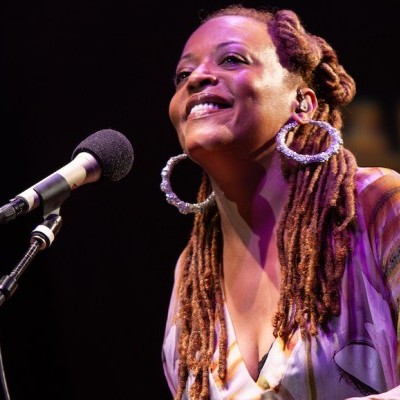
Wilson’s ability to connect to audiences helped her to win two Grammy awards and multiple other accolades. She was named an NEA Jazz Master in 2022.
Sep 3, 2026 10:44 AM
Cassandra Wilson, a singer, songwriter and producer who was one of the most acclaimed and successful jazz vocalists of…
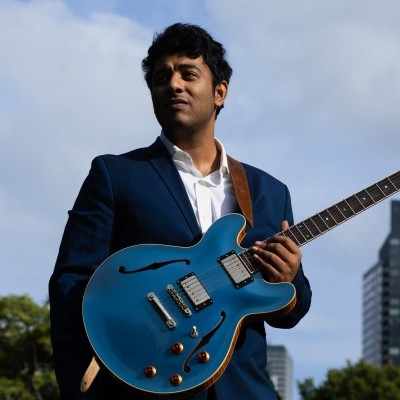
“The love from the jazz and music community restored my faith in humanity,” Walia wrote in an online post upon his release from detention at an ICE facility.
Aug 18, 2026 2:15 PM
Indian jazz guitarist and composer Pritesh Walia has been released after being unexpectedly detained by ICE and taken…
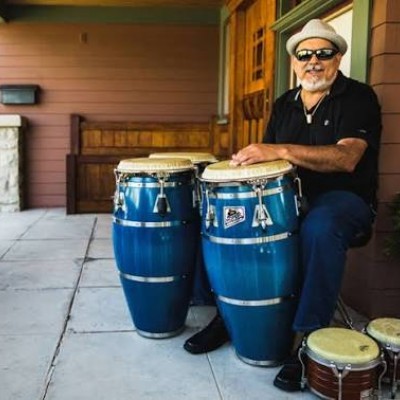
Percussionist Poncho Sanchez was among the artists scheduled to perform at the now-canceled inaugural LA Jazz Festival.
Aug 11, 2026 12:53 PM
The inaugural LA Jazz Festival, originally scheduled to run Aug. 7–23 with dozens of events across Los Angeles’…
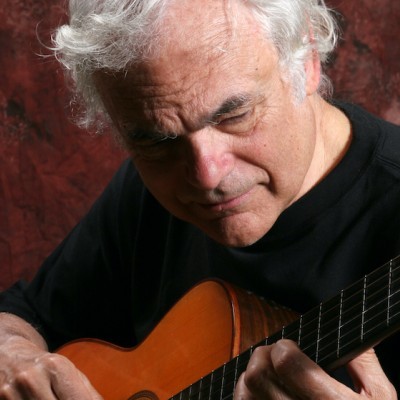
Bertoncini was a specialist and advocate for the nylon-string acoustic guitar, turning down high-profile opportunities that were unsuited to the sound and techniques that he used with that instrument.
Sep 1, 2026 11:06 AM
Gene Bertoncini, an esteemed jazz guitarist, composer, arranger and educator, died Aug. 29 at the Lillian Booth Actors…
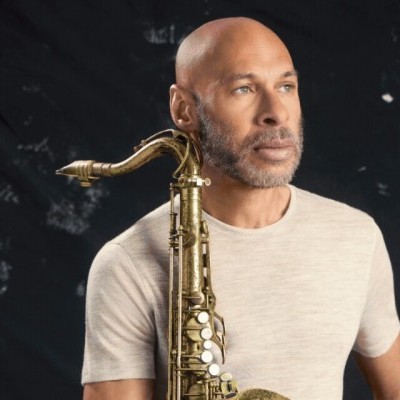
A solo concert by saxophonist Joshua Redman will close the first night of the Hyde Park Jazz Festival on Sept. 26.
Sep 22, 2026 12:26 PM
The Hyde Park Jazz Festival will take place for the 20th time on the final weekend of September 2026. Beginning half…