Sep 3, 2026 10:44 AM
In Memoriam: Cassandra Wilson, 1955–2026
Cassandra Wilson, a singer, songwriter and producer who was one of the most acclaimed and successful jazz vocalists of…


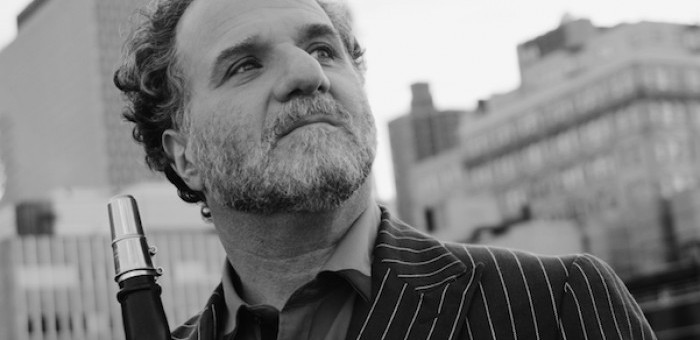
Clarinetist David Krakauer plays a fusion of styles in his bands Abraham, Inc. and Ancestral Groove. He performed at (Le) Poisson Rouge in New York on Feb. 4
(Photo: Courtesy of the artist)Over the past 30 years, the classically-trained clarinet virtuoso David Krakauer has shown remarkable versatility in tackling concertos by Brahms and Mozart, playing Eastern European Jewish dance music with his Klezmer Madness!, blending funk with klezmer with his bands Abraham, Inc. and Ancestral Groove, and collaborating with such downtown musical renegades as John Zorn, Anthony Coleman and Elliott Sharp.
The “World of Krakauer” performance on Feb. 4 at (Le) Poisson Rouge, a showcase venue in the heart of Greenwich Village, presented three perspectives of the artist to an enthusiastic packed house.
Opening on a contemporary classical note, Krakauer joined with the adventurous South African pianist Kathleen Tagg in an exciting new duo project known as Breath and Hammer. On “November 22nd,” a dramatic piece written by Syrian clarinetist-composer Kinan Azmeh, Krakauer blew the melancholy refrain as Tagg plucked and bowed strings inside her piano, creating gentle harp-like ostinatos with the use of looping technology.
At the peak of their conversation, Krakauer sailed through virtuosic passages with clean articulation before taking off on a passionate, soul-stirring improvisation that had him reaching for the high notes.
Next up was an interpretation of John Zorn’s “Angel Of Omnipotence” (from his Book Of Angels). Opening with a dissonant blast from Tagg on the keyboard, this evocative piece blended elements of traditional Jewish folk music and free improv and had Krakauer simultaneously channeling his clarinet heroes Dave Tarras (klezmer) and Sidney Bechet (jazz).
The duo’s interpretation of Roberto Juan Rodriguez’s “Shron” carried a Cuban danzon feel with a klezmer tinge. On Tagg’s “Berimbau,” Tagg wore a special glove to aid in her damping and muting the strings from inside the piano. A rhythmically driving piece, it featured the pianist at her most kinetic, alternately pounding chords and running tight harmony lines with Krakauer over looped ostinatos. Throughout their compelling duo set, Tagg joined prepared piano to electronics in increasingly brilliant applications.
The second part of Krakauer’s set had him collaborating with a string quartet featuring violinist Sara Caswell. On “The Street Song,” a traditional klezmer melody that was commonly played by strolling musicians in the shtetls of Eastern Europe, Krakauer dipped into a latter-day Coltrane vibe on clarinet (think klezmer version of “My Favorite Things”) while also summoning the emotional cry of cantorial singing.
Tagg returned to join Krakauer and the string quartet on a moving rendition of Randy Newman’s delicate waltz “The Family” from Barry Levinson’s semi-autobiographical film Avalon. They concluded with a spirited reading of “Der Heyser Bulgar,” an exhilarating klezmer romp which had Caswell and Krakauer engaged in some heated call-and-response exchanges.
A third aspect of Krakauer’s musicality was represented in his funkified excursions with Ancestral Groove, his slamming quintet featuring electric bassist Jerome Harris, guitarist Sheryl Bailey, drummer Michael Sarin and sonic provocateur Jeremy Flower on laptop. They opened on a soul-funk groove with the lively “Tribe #13,” which had Harris and Bailey creating interwoven patterns of staccato lines in the finest James Brown tradition while Krakauer played klezmer-flavored motifs over the top. Flower created some entrancing beats and sound effects on “Krakowsky Boulevard,” while Bailey brought a heavy-metal bebop edge with her distortion-laced licks on “Kickin’ It For You.”
On the turbulent “Tandal” (also from Zorn’s Book Of Angels), Krakauer launched into a political lecture about how progressive thinkers of the 1960s predicted many of the economic and environmental problems of today, declaring, “Hippies! They were goddam right!” Bailey then delivered a blast of over-the-top Sonny Sharrock-inspired skronking on this punk-funk anthem.
The group mellowed out on the ethereal “Moldavian Voyage,” which had Flower triggering a haunting chorus of voices from his laptop alongside Harris’ falsetto vocals, and they closed on an upbeat note with a rousing finale, “Elijah Walks In,” a wah-wah-laden number that served as a tour-de-force of circular breathing for Krakauer.
In this scheme of things, this concert represented just the tip of the iceberg of Krakauer’s immense musicality. But for those in attendance at Poisson Rouge, it was a sumptuous feast of sounds.
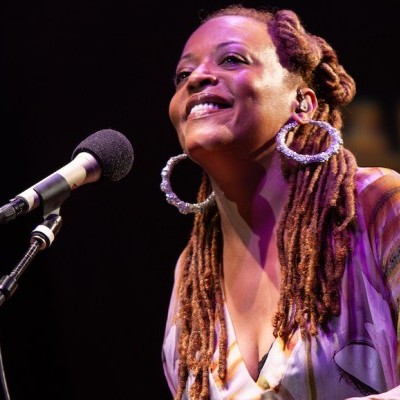
Wilson’s ability to connect to audiences helped her to win two Grammy awards and multiple other accolades. She was named an NEA Jazz Master in 2022.
Sep 3, 2026 10:44 AM
Cassandra Wilson, a singer, songwriter and producer who was one of the most acclaimed and successful jazz vocalists of…
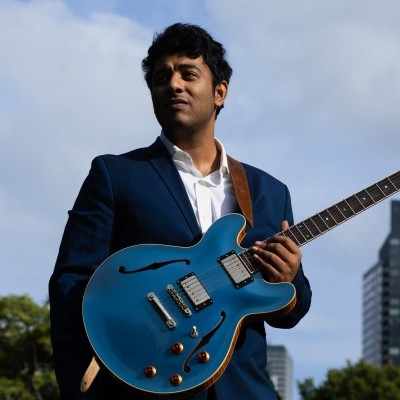
“The love from the jazz and music community restored my faith in humanity,” Walia wrote in an online post upon his release from detention at an ICE facility.
Aug 18, 2026 2:15 PM
Indian jazz guitarist and composer Pritesh Walia has been released after being unexpectedly detained by ICE and taken…
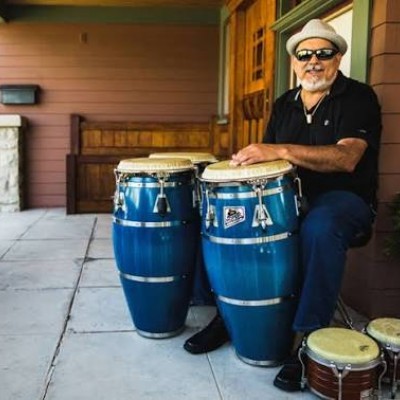
Percussionist Poncho Sanchez was among the artists scheduled to perform at the now-canceled inaugural LA Jazz Festival.
Aug 11, 2026 12:53 PM
The inaugural LA Jazz Festival, originally scheduled to run Aug. 7–23 with dozens of events across Los Angeles’…
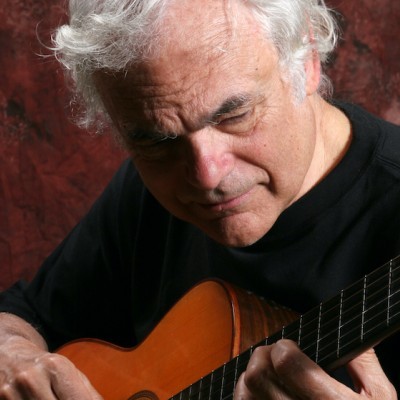
Bertoncini was a specialist and advocate for the nylon-string acoustic guitar, turning down high-profile opportunities that were unsuited to the sound and techniques that he used with that instrument.
Sep 1, 2026 11:06 AM
Gene Bertoncini, an esteemed jazz guitarist, composer, arranger and educator, died Aug. 29 at the Lillian Booth Actors…
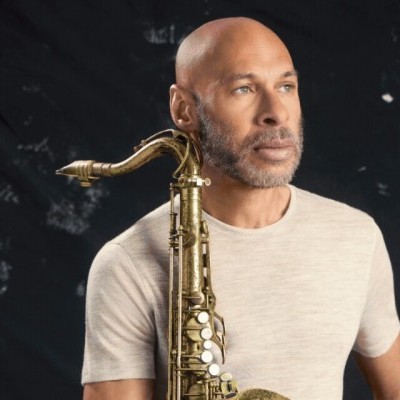
A solo concert by saxophonist Joshua Redman will close the first night of the Hyde Park Jazz Festival on Sept. 26.
Sep 22, 2026 12:26 PM
The Hyde Park Jazz Festival will take place for the 20th time on the final weekend of September 2026. Beginning half…