Sep 3, 2026 10:44 AM
In Memoriam: Cassandra Wilson, 1955–2026
Cassandra Wilson, a singer, songwriter and producer who was one of the most acclaimed and successful jazz vocalists of…


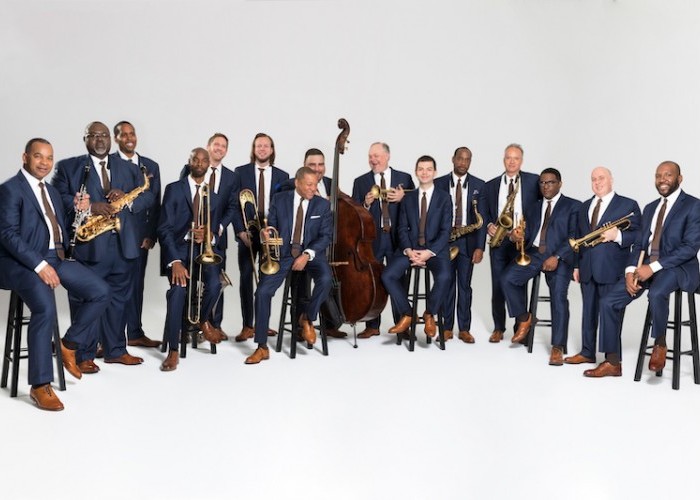
Jazz at Lincoln Center Orchestra
(Photo: Courtesy Lincoln Center Jazz Orchestra)Wynton Marsalis and the Jazz at Lincoln Center Orchestra will perform All Rise (Symphony No. 1) with the Tulsa (Oklahoma) Symphony and Festival Orchestra to mark the centennial of the 1921 Tulsa Race Massacre.
“When I was writing All Rise, Kurt Masur, conductor of the New York Philharmonic, told me, ‘The line between civilization and barbarism is much thinner than you think,’” Marsalis said. “That’s why with everything that you do, you have to decry barbarism and the reduction of people.”
The performance will take place at 3 p.m. CDT on June 6 as part of a centennial remembrance of one of Tulsa’s darkest moments.
On May 30, 1921, a 19-year-old Black man named Dick Rowland rode on an elevator with a 17-year-old white woman named Sarah Page. He was accused of assaulting her. Tulsa police arrested Rowland and rumors spread that he was to be lynched. A mob of hundreds of white men went to the jail, meeting a smaller group of Black men there to ensure justice would be served properly. Shots were fired, setting off burning and looting by white mobs of the city’s Greenwood District, known as the Black Wall Street, an economic and cultural mecca for Blacks in America at that time.
When it was over, businesses, homes, schools, churches, a hospital and more were burned to the ground. As many as 300 died, and up to 10,000 were left homeless. And Black Wall Street, all 35 blocks of the neighborhood, was gone.
The June 6 All Rise performance will be part of the 1921 Tulsa Race Massacre Centennial Commission’s programming. David Robertson will conduct, and the chorus will be under the leadership of Damien L. Sneed. The event will take place at Tulsa’s BOK Center.
“We are so grateful to have Wynton Marsalis and the Jazz at Lincoln Center Orchestra in Tulsa for the centennial,” said Phil Armstrong, 1921 Tulsa Race Massacre Centennial Commission project director. “Processing tragedy and trauma is complex. For me, music has always been an emotional outlet, and I hope this experience provides just that to Tulsans during this important week of remembrance, resilience and hope.”
“We are glad to bring this moving work and these internationally recognized artists to the Tulsa community to commemorate the tragic events of 1921,” said Keith C. Elder, executive director of the Tulsa Symphony Orchestra. “It will be an evening where the power of music will be used to unite and heal our community.”
For more information, go to tulsa2021.org. DB
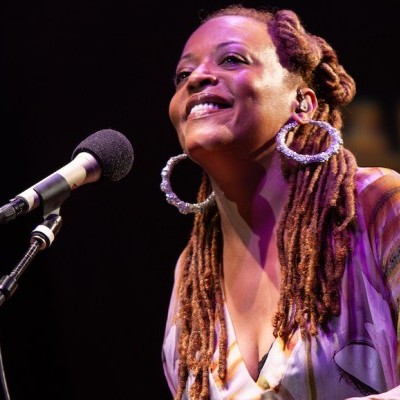
Wilson’s ability to connect to audiences helped her to win two Grammy awards and multiple other accolades. She was named an NEA Jazz Master in 2022.
Sep 3, 2026 10:44 AM
Cassandra Wilson, a singer, songwriter and producer who was one of the most acclaimed and successful jazz vocalists of…
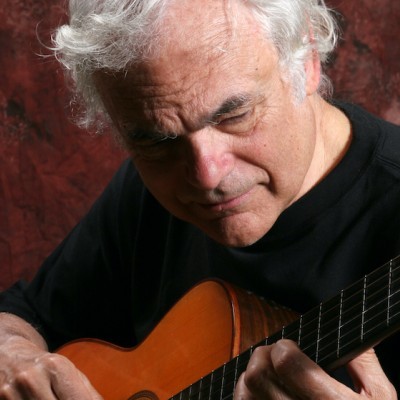
Bertoncini was a specialist and advocate for the nylon-string acoustic guitar, turning down high-profile opportunities that were unsuited to the sound and techniques that he used with that instrument.
Sep 1, 2026 11:06 AM
Gene Bertoncini, an esteemed jazz guitarist, composer, arranger and educator, died Aug. 29 at the Lillian Booth Actors…
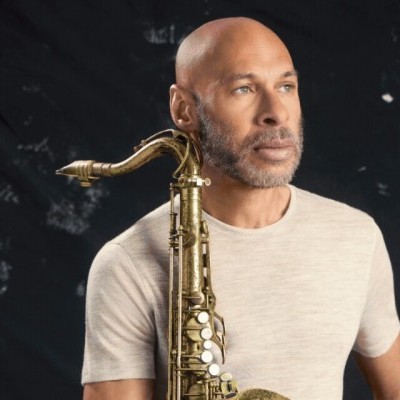
A solo concert by saxophonist Joshua Redman will close the first night of the Hyde Park Jazz Festival on Sept. 26.
Sep 22, 2026 12:26 PM
The Hyde Park Jazz Festival will take place for the 20th time on the final weekend of September 2026. Beginning half…
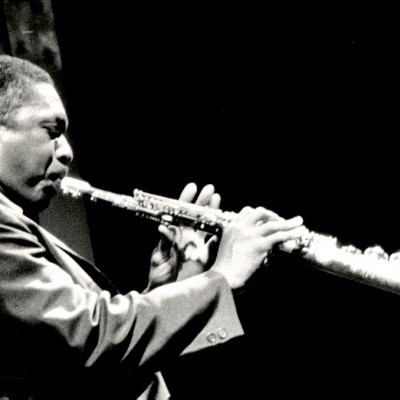
“It was just that suddenly … I could hear it,” Ravi Coltrane said of an epiphany he experienced during his late teens regarding his father’s music. “And it was almost like a calling, like something saying, ‘Hey, man, come on. It’s time to get serious.’ And the first time you really tune in and dial in and focus like that, it can be very life-changing.”
Sep 22, 2026 1:39 PM
Editor’s Note: Tomorrow, Sept. 23, is the 100th anniversary of John Coltrane’s birth. In honor of the tenor and…
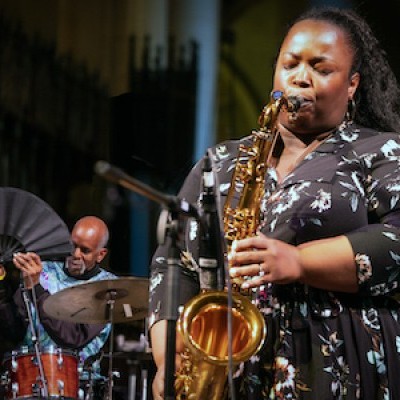
Camille Thurman took to the stage alongside bassist Kenny Davis and drummer Tommy Campbell for a rendition of Johnny Mercer’s “I’m An Old Cowhand” that recalled Rollins’ epochal 1957 trio outing Way Out West.
Oct 6, 2026 1:33 PM
As emcee Mark Ruffin noted at the commencement of an epic tribute to saxophonist Sonny Rollins at the Cathedral of…