Sep 3, 2026 10:44 AM
In Memoriam: Cassandra Wilson, 1955–2026
Cassandra Wilson, a singer, songwriter and producer who was one of the most acclaimed and successful jazz vocalists of…


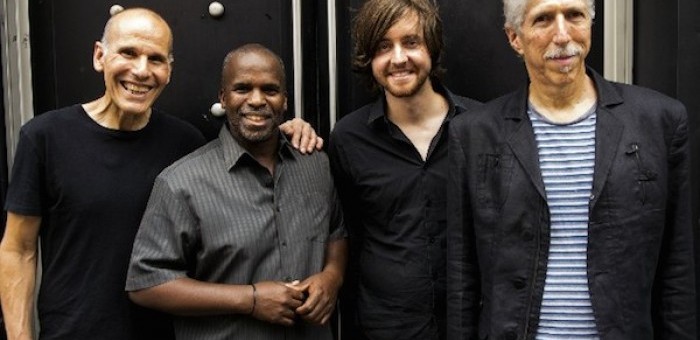
Yellowjackets—Russell Ferrante (left), Will Kennedy, Dane Alderson and Bob Mintzer—played songs from a new album at Birdland in New York on April 19.
(Photo: Courtesy yellowjackets.com)Three days before the release of its new album, Cohearence (Mack Avenue), the superstar quartet Yellowjackets unveiled some fresh material at Birdland in New York City on April 19. Prior to recording the album, the band had road-tested the new tunes during a European tour, including an extended run in London.
For the 11 p.m. set, attendance was strong, particularly for a Tuesday night. With the band’s current lineup—Bob Mintzer on saxophones and EWI, Russell Ferrante on keyboards, Will Kennedy on drums and Australian Dane Alderson, a new addition, on bass (replacing Felix Pastorius)—a more straightahead character is evident, with a lesser degree of fusion bite.
The opening number, “Spirit Of The West” (from 1998’s Club Nocturne), held a guileless cheerfulness, romping with pan-piping synth sounds and warbly bass. Even less than a decade ago, this band had a harder sound, which now seems diluted to a pastoral lightness.
Mintzer selected the EWI (electronic wind instrument) for his own “Inevitable Outcome,” the first tune of the set to be lifted from Cohearence. He aligned himself tightly with Ferrante, who soloed with a horn sound on synth, seemingly amalgamating the qualities of trumpet, trombone and saxophone. This intriguing combination of EWI and synth delightfully smeared the delineations that normally exist between horn and keyboard roles.
Next up was “Trane Changing” (a reharmonization of John Coltrane’s “Giant Steps”), offering a more mainline acoustic jazz palette, with Alderson taking an extended solo, ripe with trebly attack.
Ferrante offered a breathy synth solo, then turned to an acoustic piano run, with Mintzer making bluesy smears on tenor. Bass, synth and saxophone were united in a hectic rush as “Cape Town” reached its climax.
“Coherence” inhabited soft ballad territory, making tiptoe progressions and eventually leading to a boogie-funk push. Mintzer performed on flutey EWI, funkily strutting into “Monk’s Habit” (from 2003’s Time Squared).
For an encore, the band delivered some searing tenor business that eventually reached an exciting pitch. Alderson’s bass promenaded with intent, while piano and drums made curt exchanges. The audience spontaneously clapped along in time to the rolling groove, and Ferrante dominated with a solo that was loaded with gospel hints.
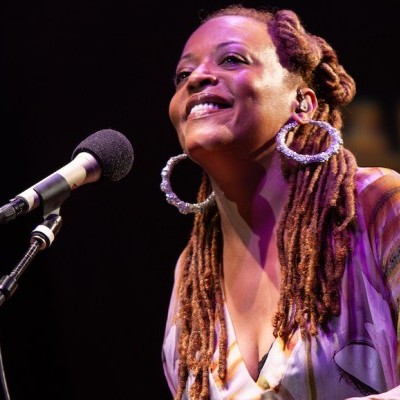
Wilson’s ability to connect to audiences helped her to win two Grammy awards and multiple other accolades. She was named an NEA Jazz Master in 2022.
Sep 3, 2026 10:44 AM
Cassandra Wilson, a singer, songwriter and producer who was one of the most acclaimed and successful jazz vocalists of…
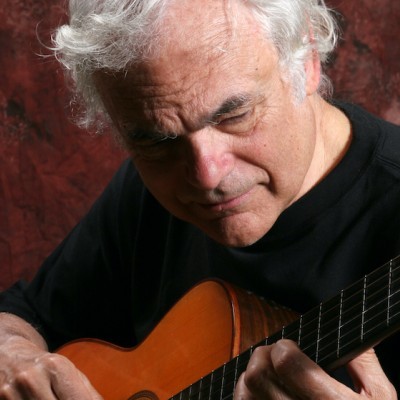
Bertoncini was a specialist and advocate for the nylon-string acoustic guitar, turning down high-profile opportunities that were unsuited to the sound and techniques that he used with that instrument.
Sep 1, 2026 11:06 AM
Gene Bertoncini, an esteemed jazz guitarist, composer, arranger and educator, died Aug. 29 at the Lillian Booth Actors…
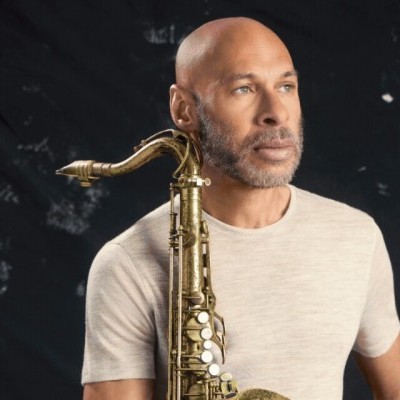
A solo concert by saxophonist Joshua Redman will close the first night of the Hyde Park Jazz Festival on Sept. 26.
Sep 22, 2026 12:26 PM
The Hyde Park Jazz Festival will take place for the 20th time on the final weekend of September 2026. Beginning half…
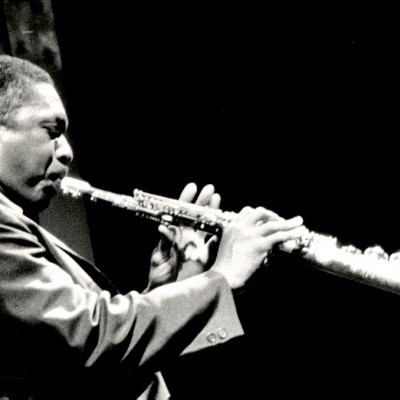
“It was just that suddenly … I could hear it,” Ravi Coltrane said of an epiphany he experienced during his late teens regarding his father’s music. “And it was almost like a calling, like something saying, ‘Hey, man, come on. It’s time to get serious.’ And the first time you really tune in and dial in and focus like that, it can be very life-changing.”
Sep 22, 2026 1:39 PM
Editor’s Note: Tomorrow, Sept. 23, is the 100th anniversary of John Coltrane’s birth. In honor of the tenor and…
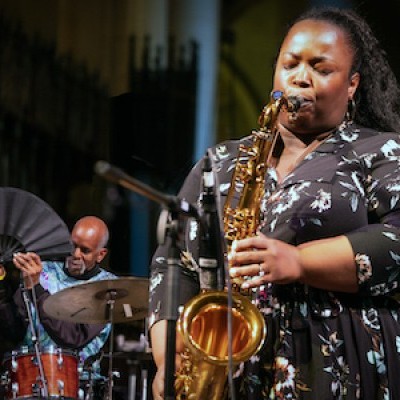
Camille Thurman took to the stage alongside bassist Kenny Davis and drummer Tommy Campbell for a rendition of Johnny Mercer’s “I’m An Old Cowhand” that recalled Rollins’ epochal 1957 trio outing Way Out West.
Oct 6, 2026 1:33 PM
As emcee Mark Ruffin noted at the commencement of an epic tribute to saxophonist Sonny Rollins at the Cathedral of…