Sep 3, 2026 10:44 AM
In Memoriam: Cassandra Wilson, 1955–2026
Cassandra Wilson, a singer, songwriter and producer who was one of the most acclaimed and successful jazz vocalists of…


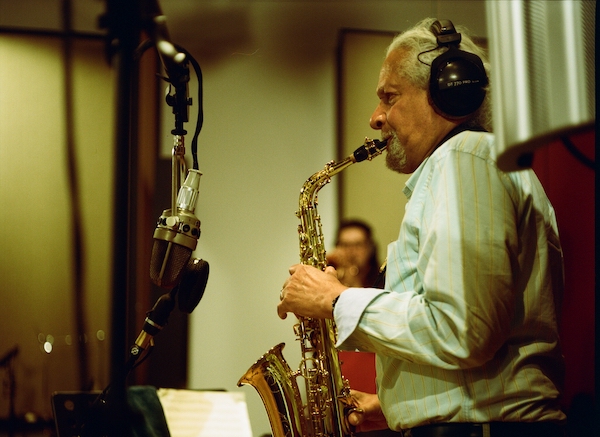
Gary Bartz collaborated with the UK-based ensemble Maisha for Gary Bartz & Maisha—Night Dreamer Direct-To-Disc Sessions.
(Photo: Elaine Groenestein)With or without lyrics, the conversation had to happen.
“Some of the musicians didn’t understand, so they felt uncomfortable, especially when I say, ‘I won’t raise you and your children no more.’ Coming from England, they didn’t know I was talking about the mammies that would suckle the so-called white babies, when the mammies had their own kids to suckle.”
That conversation led to a larger discussion on intention. The inclusion of “Uhuru Sasa” on Night Dreamer begged the question: How might a shift in context affect the music’s message?
“We thought, majority white musicians from the UK playing that song in the time that we’re playing it maybe doesn’t make sense,” said Long. “But Gary felt that [the] song can transcend.”
During their discussions, Bartz shared a memory from years ago when he was performing in Germany. He received a pointed declaration from a number of listeners citing dissatisfaction with his NTU Troop repertoire, because they didn’t really understand it.
“I said, ‘Well that’s OK. I understand if you didn’t really like it,’” said Bartz. “‘I wasn’t really writing that music for you. I was writing it for my community, my people.’”
Three days at Artone studio in the Netherlands yielded five tracks teeming with texture, lyrical storytelling and a pervasive heartbeat—at once refined and raw. And while Bartz and Maisha credit the album’s organic nature with deep listening and a sensitive understanding of each other’s tendencies, they’re looking forward to further developing a sound of their own.
Long hopes Night Dreamer will serve to whet the listener’s appetite for what’s to come.
“The reason I’m so excited to get back on tour is to build up that band relationship [with Gary] and develop a really strong concept,” Long said, “as opposed to a moment in time captured in performance.” DB
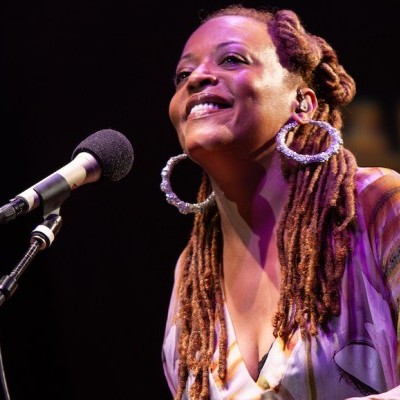
Wilson’s ability to connect to audiences helped her to win two Grammy awards and multiple other accolades. She was named an NEA Jazz Master in 2022.
Sep 3, 2026 10:44 AM
Cassandra Wilson, a singer, songwriter and producer who was one of the most acclaimed and successful jazz vocalists of…
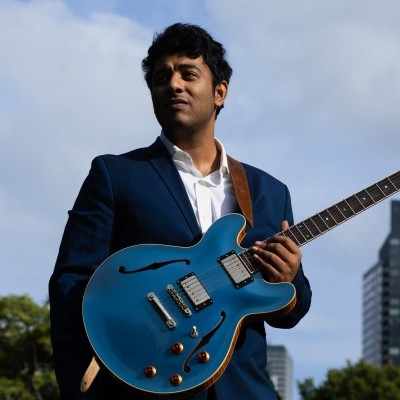
“The love from the jazz and music community restored my faith in humanity,” Walia wrote in an online post upon his release from detention at an ICE facility.
Aug 18, 2026 2:15 PM
Indian jazz guitarist and composer Pritesh Walia has been released after being unexpectedly detained by ICE and taken…
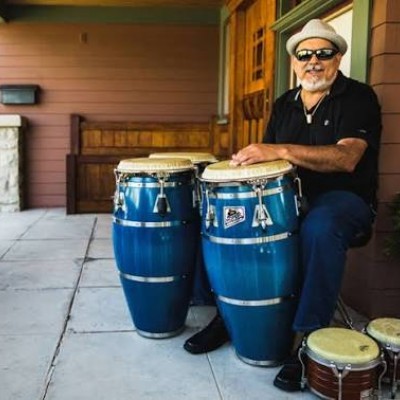
Percussionist Poncho Sanchez was among the artists scheduled to perform at the now-canceled inaugural LA Jazz Festival.
Aug 11, 2026 12:53 PM
The inaugural LA Jazz Festival, originally scheduled to run Aug. 7–23 with dozens of events across Los Angeles’…
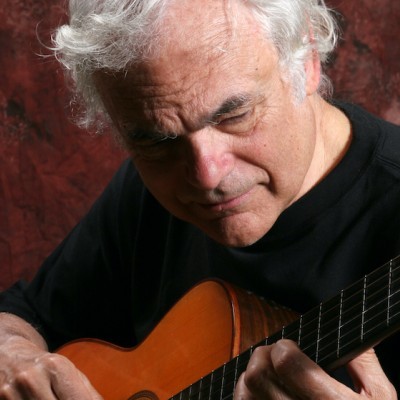
Bertoncini was a specialist and advocate for the nylon-string acoustic guitar, turning down high-profile opportunities that were unsuited to the sound and techniques that he used with that instrument.
Sep 1, 2026 11:06 AM
Gene Bertoncini, an esteemed jazz guitarist, composer, arranger and educator, died Aug. 29 at the Lillian Booth Actors…
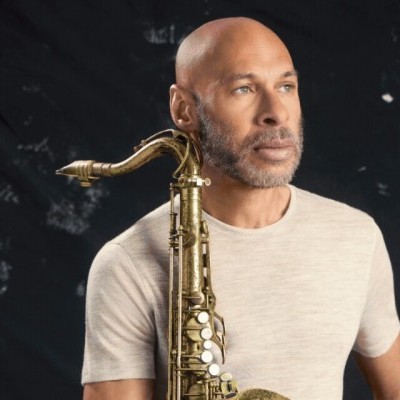
A solo concert by saxophonist Joshua Redman will close the first night of the Hyde Park Jazz Festival on Sept. 26.
Sep 22, 2026 12:26 PM
The Hyde Park Jazz Festival will take place for the 20th time on the final weekend of September 2026. Beginning half…