Sep 3, 2026 10:44 AM
In Memoriam: Cassandra Wilson, 1955–2026
Cassandra Wilson, a singer, songwriter and producer who was one of the most acclaimed and successful jazz vocalists of…


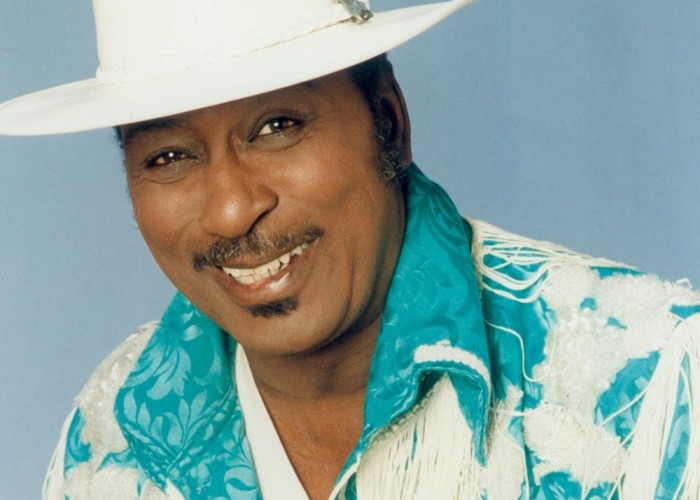
Eddy Clearwater (1935–2018)
(Photo: Courtesy of the Artist)Blues vocalist and guitarist Eddy “The Chief” Clearwater died on June 1 in Skokie, Illinois. The cause was heart failure. He was 83.
Below is an edited version of a statement that was issued on June 1 by blues label Alligator Records:
Born Edward Harrington on Jan. 10, 1935 in Macon, Mississippi, Eddy Clearwater (as he came to be known) was internationally lauded for his blues-rocking guitar playing, his original songs and his flamboyant showmanship. He was inducted into the Blues Hall Of Fame in 2016, and also won two Blues Music Awards, including Contemporary Male Blues Artist Of The Year in 2001.
Clearwater was equally comfortable playing the deepest, most intense blues or his own brand of rocking, good-time party music—a style he called “rock-a-blues,” mixing blues, rock, rockabilly, country and gospel.
Between his slashing guitar work and his room-filling vocals, Clearwater was among the very finest practitioners of the West Side style of Chicago blues. [A profile for DownBeat stated], “He lays down gritty West Side shuffles and belly-grinding slow blues that highlight his raw chops, soulful vocals, and earthy, humorous lyrics.”
Blues Revue magazine said he played “joyous rave-ups. He testifies with stunning soul fervor and powerful guitar. He is one of the blues’ finest songwriters.”
Clearwater’s musical talent became clear early on. From his Mississippi birthplace, he and his family moved to Birmingham, Alabama, in 1948 when he was 13. With music from blues to gospel to country & western surrounding him from an early age, Clearwater taught himself to play guitar (left-handed and upside down), and began performing with various gospel groups, including the legendary Five Blind Boys of Alabama.
After moving to Chicago in 1950, he stayed with an uncle and took a job as a dishwasher, saving as much as he could from his weekly salary of $37. His first music jobs were playing with gospel groups in local churches. Through his uncle’s contacts, Clearwater met many of Chicago’s blues stars. He fell deeper under the spell of the blues, and befriended Magic Sam, who would become one of his closest friends and teachers.
By 1953, as Guitar Eddy, he was making a strong name for himself, working the South and West Side bars regularly. After hearing Chuck Berry in 1957, Clearwater added a rock ’n’ roll element to his already searing blues style, creating a unique signature sound.
He recorded his first single, “Hill Billy Blues,” for his uncle’s Atomic H label in 1958 under the name Clear Waters. (His manager at the time, drummer Jump Jackson, came up with the name as a play on Muddy Waters.) The name Clear Waters morphed into Eddy Clearwater. He worked the Chicago club circuit steadily throughout the 1950s, 1960s and into the 1970s. He found huge success in the 1970s among the city’s college crowd, who responded to his individual brand of blues, his rock ’n’ roll spirit and his high-energy stage show.
Clearwater’s first full-length LP, 1980’s The Chief, was the initial release on Chicago’s Rooster Blues label. Over the decades he recorded more than 15 solo albums and never stopped touring, winning fans from Chicago to Japan to Poland.
His 2003 album on Bullseye Blues, Rock ’N’ Roll City, was nominated for a Grammy Award for Best Traditional Blues Album. He released West Side Strut on Alligator in 2008 to both international popular and critical acclaim. His most recent album was the self-released Soul Funky in 2014.
Survivors include his wife, Renee Greenman Harrington Clearwater; children Heather Greenman, Alyssa Jacquelyn, David Knopf, Randy Greenman, Jason Harrington and Edgar Harrington; and grandchildren Gabriella Knopf and Graham Knopf.
Services will be held on Tuesday, June 5, at 11:00 a.m. at Chicago Jewish Funerals, 8851 Skokie Boulevard, Skokie, IL 60077.
For more information on his career, visit his website. DB
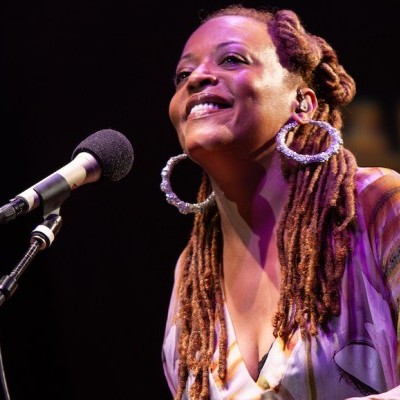
Wilson’s ability to connect to audiences helped her to win two Grammy awards and multiple other accolades. She was named an NEA Jazz Master in 2022.
Sep 3, 2026 10:44 AM
Cassandra Wilson, a singer, songwriter and producer who was one of the most acclaimed and successful jazz vocalists of…
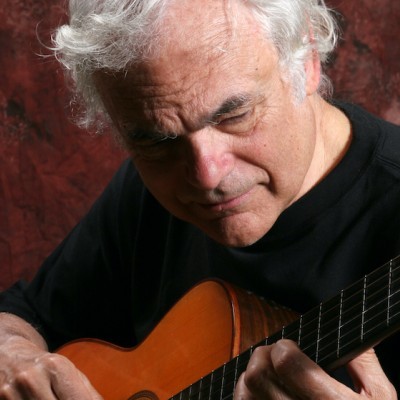
Bertoncini was a specialist and advocate for the nylon-string acoustic guitar, turning down high-profile opportunities that were unsuited to the sound and techniques that he used with that instrument.
Sep 1, 2026 11:06 AM
Gene Bertoncini, an esteemed jazz guitarist, composer, arranger and educator, died Aug. 29 at the Lillian Booth Actors…
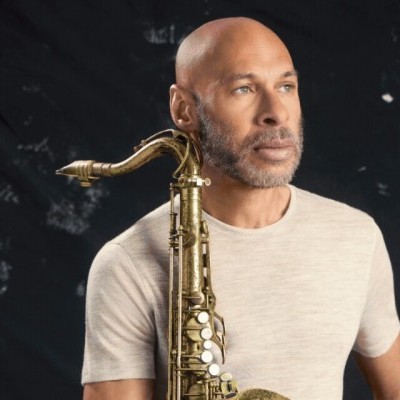
A solo concert by saxophonist Joshua Redman will close the first night of the Hyde Park Jazz Festival on Sept. 26.
Sep 22, 2026 12:26 PM
The Hyde Park Jazz Festival will take place for the 20th time on the final weekend of September 2026. Beginning half…
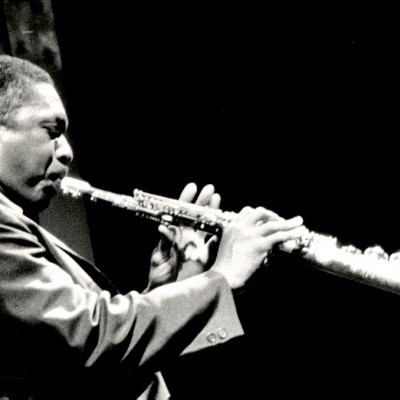
“It was just that suddenly … I could hear it,” Ravi Coltrane said of an epiphany he experienced during his late teens regarding his father’s music. “And it was almost like a calling, like something saying, ‘Hey, man, come on. It’s time to get serious.’ And the first time you really tune in and dial in and focus like that, it can be very life-changing.”
Sep 22, 2026 1:39 PM
Editor’s Note: Tomorrow, Sept. 23, is the 100th anniversary of John Coltrane’s birth. In honor of the tenor and…
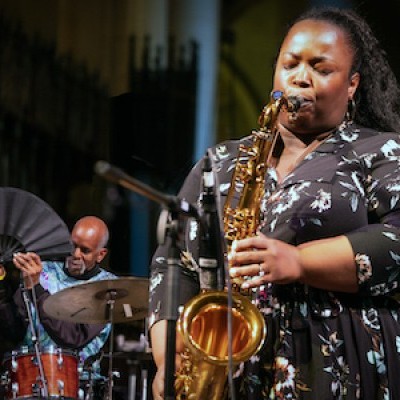
Camille Thurman took to the stage alongside bassist Kenny Davis and drummer Tommy Campbell for a rendition of Johnny Mercer’s “I’m An Old Cowhand” that recalled Rollins’ epochal 1957 trio outing Way Out West.
Oct 6, 2026 1:33 PM
As emcee Mark Ruffin noted at the commencement of an epic tribute to saxophonist Sonny Rollins at the Cathedral of…