Sep 3, 2026 10:44 AM
In Memoriam: Cassandra Wilson, 1955–2026
Cassandra Wilson, a singer, songwriter and producer who was one of the most acclaimed and successful jazz vocalists of…


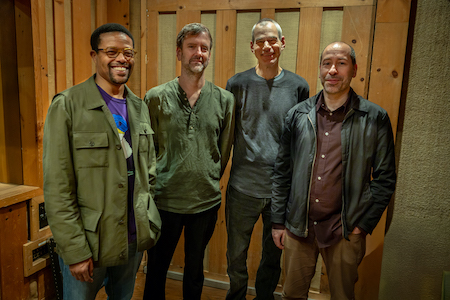
The Jerome Sabbagh Quartet: from left, Nasheet Waits, Joe Martin, Ben Monder and Sabbagh.
(Photo: Adrien H. Tillman)When tenor saxophonist Jerome Sabbagh wrote “Lone Jack,” which opens his most recent album, Stand Up (Analog Tone Factory), he wasn’t thinking of any of the tenor players he counts as major influences — Stan Getz, Joe Henderson and Sonny Rollins. He was thinking of Ray Charles.
“For that song, I could really hear his voice in my head, specifically Modern Sounds In Country And Western Music, both volumes,” he said recently in an interview from his Brooklyn home. “I had listened to him some as a kid, but I think I came to appreciate him more over the last 10 to 15 years. Everything he does is just so expressive and connected. The phrasing is off-the-hook good. I’m as influenced by great singers as I am by great saxophone players.”
Sabbagh, a 52-year-old Paris-born expatriate who has lived in New York since 1995, has a lyrical, warm-toned tenor saxophone style; he makes music that is understated, contemplative and deeply swinging. He is nothing if not versatile, however. He’s at home with everything from mainstream blowing to bebop to free-jazz. Like Getz, he generally maintains a mellow tone and favors memorable melodies; his compositions are full of them.
Over the years, Sabbagh has played with greats. As one of legendary drummer Paul Motian’s last saxophone players, Sabbagh played a week at the Village Vanguard in 2011 in Motian’s New Trio with guitarist Ben Monder. He has also recorded or performed with Kenny Barron, the late Al Foster, Mark Turner, Bill Stewart and Andrew Cyrille, among others.
His own quartet, formed in 2004, has released four albums; Stand Up is the group’s first new release in over a decade. The quartet features Monder, bassist Joe Martin and the newest member, drummer Nasheet Waits, replacing longtime member Ted Poor. “Ben is a great comper, both supportive and prodding,” Sabbagh said. “He’s very creative, with a super-deep sense of harmony and a wide palette of sound. Even though I come from a traditional bebop thing, I don’t always write that way. If I go into free stuff, he can do that; If I go into rock stuff, he can do that, too.”
He describes Joe Martin as “the perfect bassist for me,” citing his enormous range. “He knows a ton of standards, he’s got a great ear and a great sound, he’s a great soloist. He’s also very humble and serves the music all the time: a great quality in a bass player. He’s like the glue that makes everything work.” As for the newest member, Sabbagh considers Waits “one of the great drummers of today: a link to the masters of this art form, like Billy Hart, Jack DeJohnette, Billy Higgins and his dad [renowned drummer Freddie Waits].”
After recording 10 albums as a leader with other labels, Sabbagh founded his own label, Analog Tone Factory, two years ago with his partner, pianist and recording engineer Pete Rende. As the name suggests, the label is all about analog and audiophile sound: They specialize in recording exclusively to analog tape. The recordings are released on AAA 180-gram vinyl (the AAA designation means that no digital conversion is involved) and reel-to-reel tape (in addition to digital). Musicians are always recorded performing live in the same room.
The idea for the label began with a suggestion by Doug Sax, the late, revered mastering engineer. Sabbagh had been working with Sax on a quartet album, The Turn, for Sunnyside. “He really liked the sound of it, and he was a vinyl specialist. He suggested that I press vinyl for that record. So, I did a Kickstarter and fundraised to see if people liked the idea. I got enough money to do it, about $6,000. I pressed 500. That record ended up being well reviewed and was really successful in audiophile circles. I sold out, then re-pressed 500.
“I was already paying a lot of attention to sound. This got me thinking that, if I pressed vinyl on a regular basis, then went all the way and made it all-analog, this would also be a way to produce records.” His independent label was still a few years off, but Sabbagh was now becoming a highly regarded producer of audiophile jazz on vinyl.
“For my next record I kept that blueprint. I did two more Kickstarters, one for No Filter in 2018, the first one that is all-analog [recorded to tape], then for Vintage, with Kenny Barron. They were on Sunnyside, but I basically licensed the digital to them and did the vinyl myself. At that point, I thought the natural thing to do would be to control everything and just do it all myself. That’s why, with my friend Pete, we decided to create Analog Tone Factory.”
The new label would be an outlet for Sabbagh’s own music but also for that of people they admired. The first album they released was Heart, a Sabbagh saxophone trio album with Joe Martin on bass and Al Foster on drums. It was followed by saxophonist Chris Cheek’s Keepers Of The Eastern Door, featuring Bill Frisell, bassist Tony Scherr and drummer Rudy Royston.
The eight original songs on Stand Up, the label’s third release, are each dedicated to important people in Sabbagh’s life who influenced him either musically or personally, including Motian, Barron, Stevie Wonder and Sam Rivers. Compared to the digital versions, the all-analog recordings “just sound a notch better — like we’re playing in the room with you.”
Future releases will include an all-drums record with four masters: Andrew Cyrille, Billy Hart, Bill Stewart and Nasheet Waits — “all drummers that I love,” he said — and a new Mark Turner record with his new band of guitarist Lage Lund, bassist Vicente Archer and drummer Johnathan Blake.
Being an artist and running a label is tricky, he said, “because it’s two different hats. There are only so many hours in the day. It’s a struggle to keep working on the music at the level I want to be at, keep composing and practicing and also do all the jobs of the label. It’s helpful because you build your own mailing list, and you’re not beholden to the powers that be. We’re sort of a special case. The audiophile community helps sell the records. We don’t make a lot of money on digital: Nobody does and nobody can. It’s taken me 10 years to learn how to do it and build up the clientele.”
Musically, Sabbagh’s goal is to integrate the two sides of his personality. After arriving at Berklee in 1993, he knew what he liked and didn’t like, but had a ways to go technically to play what he heard — “and it’s still ongoing,” he said.
He says he’s still trying to reconcile his diverse influences, “the person in me that wants to play free music, and the person who connects with the way Stan Getz plays a melody. Those things to me are not contradictory, they constitute who I am as a player. Like the way I play standards versus the way I play original music. For a long time, I felt I wasn’t always exactly the same player when I did one compared to the other.
“Now that I’m a little older, I feel like maybe I’ve refined myself, that I’m more the same player whether I play standards or original music. It’s taken me a long time to develop that, and it’s valuable. I come from the school of, ‘it’s important to have your own voice’ — whatever that is.” DB
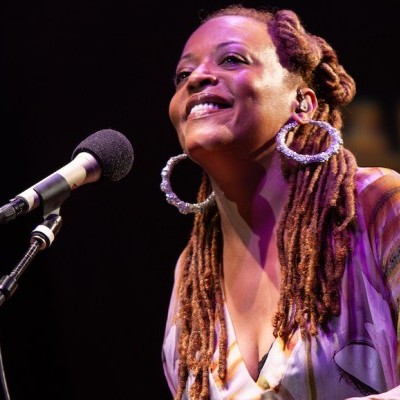
Wilson’s ability to connect to audiences helped her to win two Grammy awards and multiple other accolades. She was named an NEA Jazz Master in 2022.
Sep 3, 2026 10:44 AM
Cassandra Wilson, a singer, songwriter and producer who was one of the most acclaimed and successful jazz vocalists of…
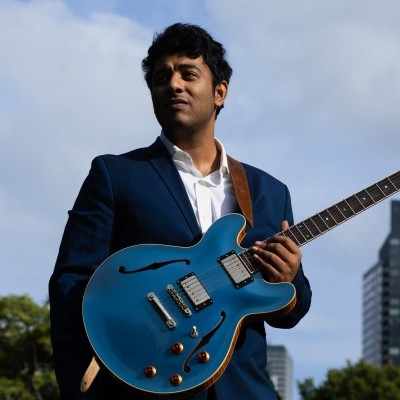
“The love from the jazz and music community restored my faith in humanity,” Walia wrote in an online post upon his release from detention at an ICE facility.
Aug 18, 2026 2:15 PM
Indian jazz guitarist and composer Pritesh Walia has been released after being unexpectedly detained by ICE and taken…
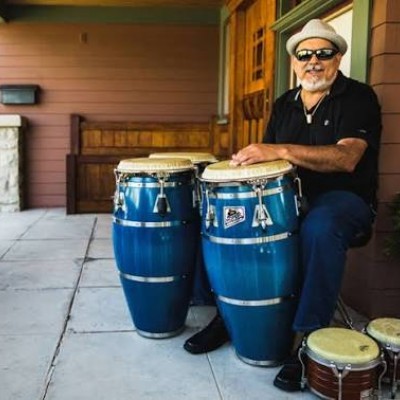
Percussionist Poncho Sanchez was among the artists scheduled to perform at the now-canceled inaugural LA Jazz Festival.
Aug 11, 2026 12:53 PM
The inaugural LA Jazz Festival, originally scheduled to run Aug. 7–23 with dozens of events across Los Angeles’…
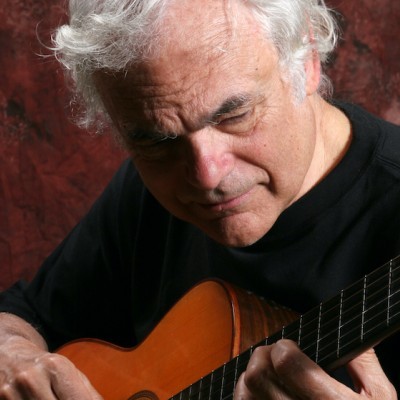
Bertoncini was a specialist and advocate for the nylon-string acoustic guitar, turning down high-profile opportunities that were unsuited to the sound and techniques that he used with that instrument.
Sep 1, 2026 11:06 AM
Gene Bertoncini, an esteemed jazz guitarist, composer, arranger and educator, died Aug. 29 at the Lillian Booth Actors…
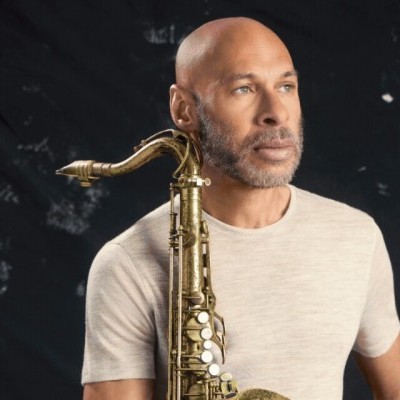
A solo concert by saxophonist Joshua Redman will close the first night of the Hyde Park Jazz Festival on Sept. 26.
Sep 22, 2026 12:26 PM
The Hyde Park Jazz Festival will take place for the 20th time on the final weekend of September 2026. Beginning half…