Sep 3, 2026 10:44 AM
In Memoriam: Cassandra Wilson, 1955–2026
Cassandra Wilson, a singer, songwriter and producer who was one of the most acclaimed and successful jazz vocalists of…

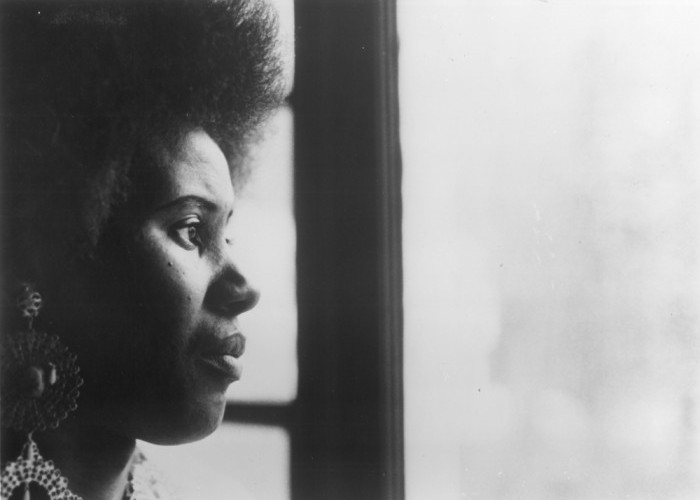
A live Alice Coltrane recording from 1972 marks a turning point in her music.
(Photo: DownBeat Archives)Charles Lloyd, Forest Flower (1967)
This might not be the best album of Lloyd’s discography, but it was extraordinarily popular, and worked to insinuate jazz back into popular culture (to an extent). It also features a pretty remarkable band with Cecil McBee on bass, Jack DeJohnette on drums and Keith Jarrett on piano.
Gabor Szabo, The Sorcerer (1967)
The legacy of this Hungarian guitarist, for some reason, hasn’t endured over time. But this disc, recorded at the Jazz Workshop in Boston, finds the bandleader conjuring up an admixture of jazz, rock and strains of psychedelia in an effort to create his own brand of freedom music.
Duke Ellington, The Great Paris Concert (1973)
Duke’s band—with the saxophone titans Johnny Hodges (alto), Paul Gonsalves (tenor) and Harry Carney (baritone)—stretched out with bluesey originals by the leader, as the ensemble dispensed some of the best of what the States had to offer in 1963. The recording was released as a double LP in 1973, and its track listing was expanded in subsequent reissues.
Billie Holiday, The Essential Billie Holiday: Carnegie Hall Concert (1961)
Despite Norman Granz reciting snippets of Holiday’s biography between tunes, the vocalist fronts an extraordinarily loose collective on this 1956 set that counts drummer Chico Hamilton during a formative moment in his career, as well as guitarist Kenny Burrell. It’s probably not the pinnacle of Holiday’s powers, but she still plays with the beat and turns in a remarkable blues-filled performance.
Bill Evans Trio, Sunday At The Village Vanguard (1961)
Iconic for not just its music, but that stark image of Evans on the cover, the album featured a pair of tunes by bassist Scott LaFaro sandwiched around songs from Cole Porter and George Gershwin. A dark twist: It was recorded less than two weeks before LaFaro died in a car accident. DB
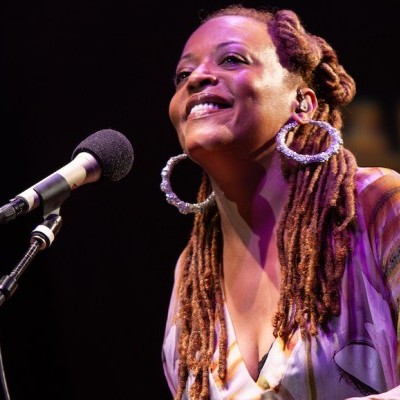
Wilson’s ability to connect to audiences helped her to win two Grammy awards and multiple other accolades. She was named an NEA Jazz Master in 2022.
Sep 3, 2026 10:44 AM
Cassandra Wilson, a singer, songwriter and producer who was one of the most acclaimed and successful jazz vocalists of…
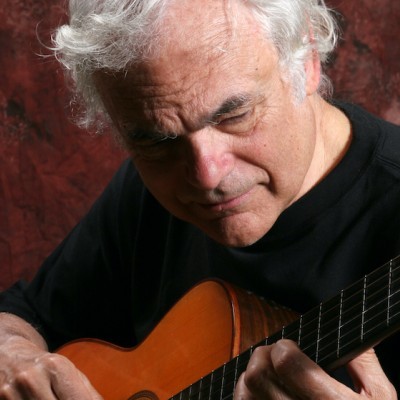
Bertoncini was a specialist and advocate for the nylon-string acoustic guitar, turning down high-profile opportunities that were unsuited to the sound and techniques that he used with that instrument.
Sep 1, 2026 11:06 AM
Gene Bertoncini, an esteemed jazz guitarist, composer, arranger and educator, died Aug. 29 at the Lillian Booth Actors…
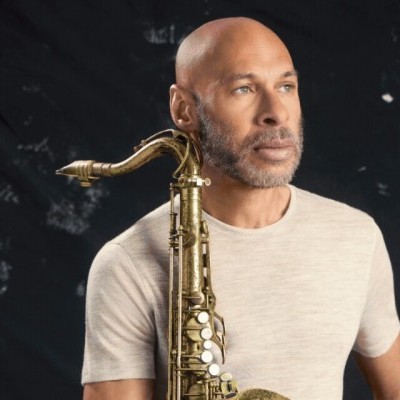
A solo concert by saxophonist Joshua Redman will close the first night of the Hyde Park Jazz Festival on Sept. 26.
Sep 22, 2026 12:26 PM
The Hyde Park Jazz Festival will take place for the 20th time on the final weekend of September 2026. Beginning half…
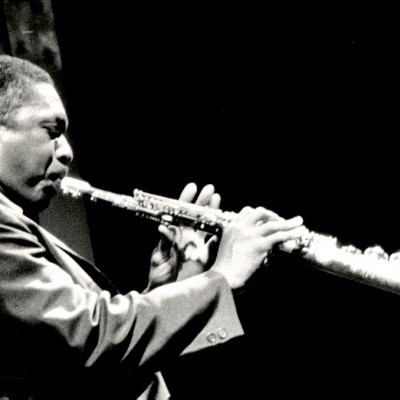
“It was just that suddenly … I could hear it,” Ravi Coltrane said of an epiphany he experienced during his late teens regarding his father’s music. “And it was almost like a calling, like something saying, ‘Hey, man, come on. It’s time to get serious.’ And the first time you really tune in and dial in and focus like that, it can be very life-changing.”
Sep 22, 2026 1:39 PM
Editor’s Note: Tomorrow, Sept. 23, is the 100th anniversary of John Coltrane’s birth. In honor of the tenor and…
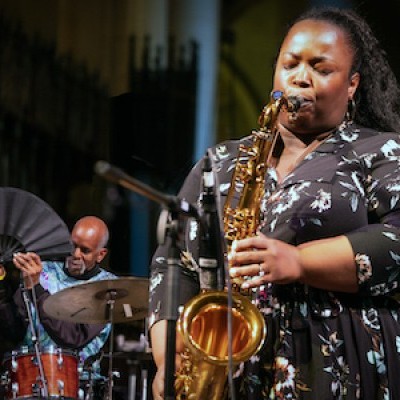
Camille Thurman took to the stage alongside bassist Kenny Davis and drummer Tommy Campbell for a rendition of Johnny Mercer’s “I’m An Old Cowhand” that recalled Rollins’ epochal 1957 trio outing Way Out West.
Oct 6, 2026 1:33 PM
As emcee Mark Ruffin noted at the commencement of an epic tribute to saxophonist Sonny Rollins at the Cathedral of…