Sep 3, 2026 10:44 AM
In Memoriam: Cassandra Wilson, 1955–2026
Cassandra Wilson, a singer, songwriter and producer who was one of the most acclaimed and successful jazz vocalists of…


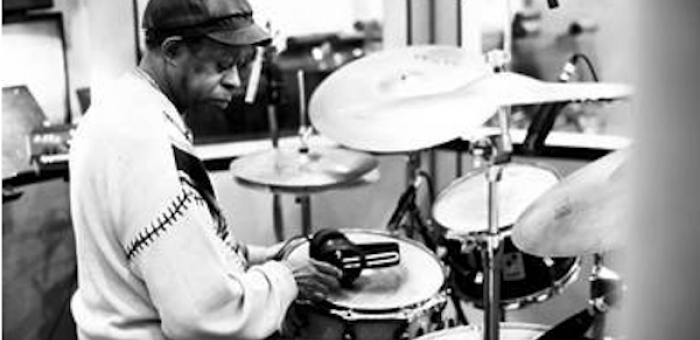
Louis Hayes during the Serenade For Horace recording session in 2016.
(Photo: Gulnara Khamatova)Legendary drummer Louis Hayes—who as a sideman has appeared on some of Blue Note Records’ most venerable albums—will celebrate his 80th birthday in 2017. To mark the occasion, Blue Note has announced the release of his label debut as a leader. Serenade For Horace, a tribute to the great pianist and bandleader Horace Silver, will be available on May 26.
The pre-order for Serenade for Horace launched today along with the release of the album’s lead track “Song For My Father,” featuring Grammy-winning vocalist Gregory Porter. Hayes will celebrate his 80th birthday next month with album release shows at Dizzy’s Club Coca-Cola at Jazz at Lincoln Center from May 29–31, but fans of Hayes don’t have to wait long to hear a sample of this highly anticipated disc. A stream of the lead track is below:
As a member of Silver’s quintet from 1956 to 1959, Hayes was first introduced to the jazz world as the driving force on classic Blue Note albums including 6 Pieces Of Silver, Further Explorations, The Stylings Of Silver, Blowin’ The Blues Away and Finger Poppin’. He also appeared on Blue Note albums by Grant Green, Kenny Burrell, Sonny Clark and others.
Born in Detroit, Michigan, on May 31, 1937, Hayes grew up surrounded by music, first starting his musical studies on piano before his father gave him a set of drums at age 10. After honing his chops in Detroit in the 1950s with the likes of Yusef Lateef and Kenny Burrell, the drummer moved to New York in 1956 at age 19 and joined the Horace Silver Quintet, putting his highly individualized rhythmic stamp on timeless recordings like “Señor Blues,” “Sister Sadie” and “Blowin’ The Blues Away.”
Hayes was a member of Cannonball Adderley’s quintet from 1959 to 1965, and also had a notable stint with Oscar Peterson from 1965 to ’67. He has shared the stage and studio with a great number of jazz titans, including John Coltrane, Dexter Gordon, Freddie Hubbard, Joe Henderson and McCoy Tyner.
Hayes also co-led an influential quintet with Woody Shaw and Junior Cook throughout the 1970s. (Previously unheard recordings of the group were released on The Tour—Volume One on HighNote Records last June.)
Beginning with his self-titled debut for Vee-Jay in 1960, Hayes has recorded a total of 18 albums as a leader. His most recent was 2014’s Return Of The Jazz Communicators on Smoke Sessions Records, which also featured vibraphonist Steve Nelson, saxophonist Abraham Burton, pianist David Bryant and bassist Dezron Douglas.
For more information on Hayes’ upcoming album release event, click here. DB
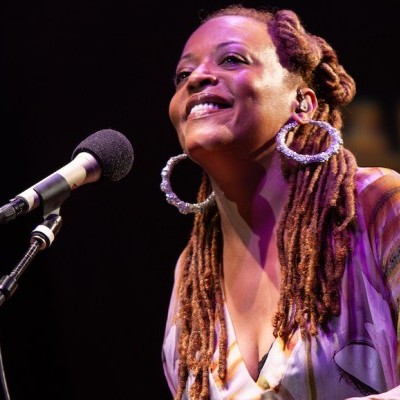
Wilson’s ability to connect to audiences helped her to win two Grammy awards and multiple other accolades. She was named an NEA Jazz Master in 2022.
Sep 3, 2026 10:44 AM
Cassandra Wilson, a singer, songwriter and producer who was one of the most acclaimed and successful jazz vocalists of…
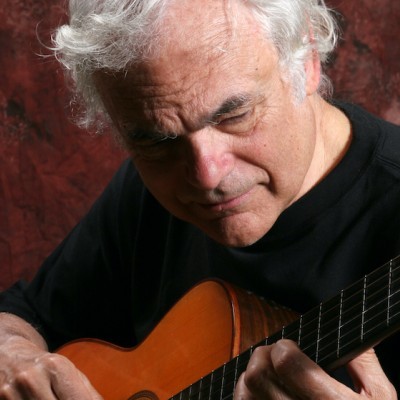
Bertoncini was a specialist and advocate for the nylon-string acoustic guitar, turning down high-profile opportunities that were unsuited to the sound and techniques that he used with that instrument.
Sep 1, 2026 11:06 AM
Gene Bertoncini, an esteemed jazz guitarist, composer, arranger and educator, died Aug. 29 at the Lillian Booth Actors…
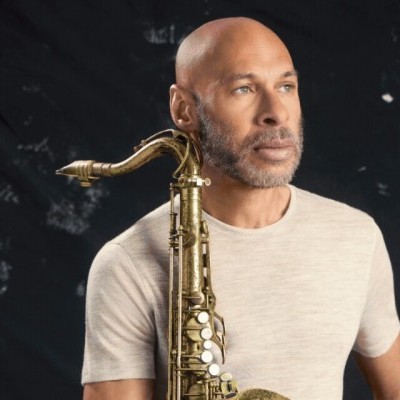
A solo concert by saxophonist Joshua Redman will close the first night of the Hyde Park Jazz Festival on Sept. 26.
Sep 22, 2026 12:26 PM
The Hyde Park Jazz Festival will take place for the 20th time on the final weekend of September 2026. Beginning half…
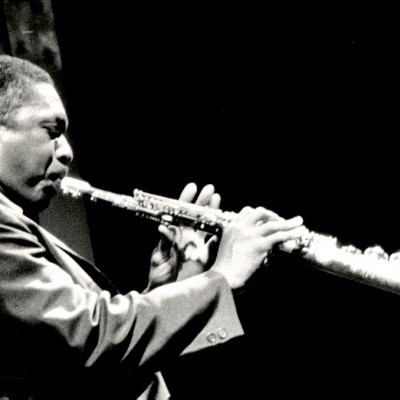
“It was just that suddenly … I could hear it,” Ravi Coltrane said of an epiphany he experienced during his late teens regarding his father’s music. “And it was almost like a calling, like something saying, ‘Hey, man, come on. It’s time to get serious.’ And the first time you really tune in and dial in and focus like that, it can be very life-changing.”
Sep 22, 2026 1:39 PM
Editor’s Note: Tomorrow, Sept. 23, is the 100th anniversary of John Coltrane’s birth. In honor of the tenor and…
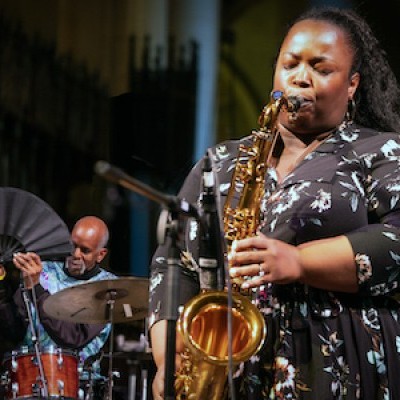
Camille Thurman took to the stage alongside bassist Kenny Davis and drummer Tommy Campbell for a rendition of Johnny Mercer’s “I’m An Old Cowhand” that recalled Rollins’ epochal 1957 trio outing Way Out West.
Oct 6, 2026 1:33 PM
As emcee Mark Ruffin noted at the commencement of an epic tribute to saxophonist Sonny Rollins at the Cathedral of…