Sep 3, 2026 10:44 AM
In Memoriam: Cassandra Wilson, 1955–2026
Cassandra Wilson, a singer, songwriter and producer who was one of the most acclaimed and successful jazz vocalists of…


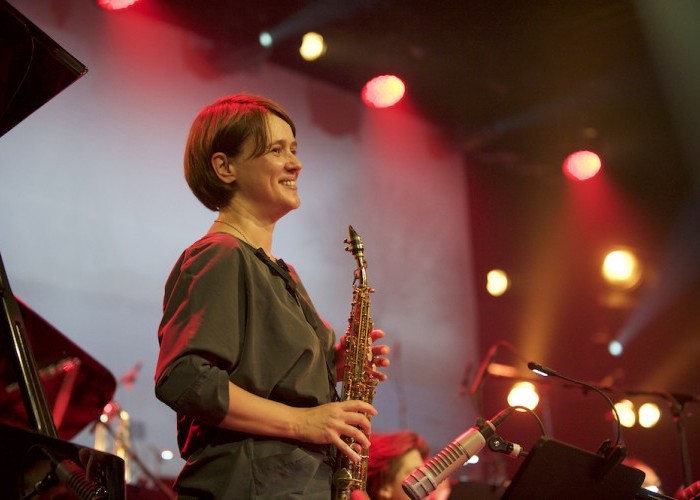
Reedist Ingrid Laubrock said she relishes the freedom that comes with recording for independent labels like Relative Pitch and Germany’s Intakt, but remains skeptical of the music industry’s digital shift.
(Photo: Helmut Berns)He laughs, recalling one student who announced, in a rehearsal, that an Andrew Hill record Moran had discussed was not available to stream. “I clapped in that moment and said ‘Yeah, how free do we think we are when we’re told that everything is in one place, and then when it’s not, we believe it doesn’t exist?’ That’s dangerous. It’s a death sentence.”
New Amsterdam’s Brittelle adds: “We need people to understand that in order to keep going, we need more support than people just liking and streaming our music. We don’t want to have a divide in our thinking between someone who’s a fan, a donor, a friend. We want to try to merge all that together.”
Douglas, meanwhile, reports that, at Greenleaf, his experimental model is working—to a point.
“I’m not losing money,” he said. “It’s just a sustainable way to keep documenting and releasing good creative music by artists I believe in and doing my own work. ... Maybe If I were a better businessman, I wouldn’t be doing it.”
As a listener, Laubrock’s recently accepted streaming into her life. But she notes that, on tour, Apple Music has proven indisputably more convenient than lugging around all the tunes that she might want to hear. Streaming isn’t the end of her relationship with works she enjoys: “If I like the music, I still buy the CD.”
And Moran’s just happy that people are finding their way to his work. “People will say, ‘Oh, what’s Jason been up to the last three years?’ Then they stumble onto the site: ‘He made six records and I didn’t even know?’ Then some just buy all of them. They’re like, ‘Oh, shit, I had no idea.’” DB
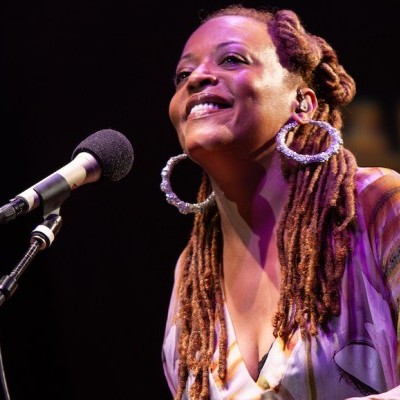
Wilson’s ability to connect to audiences helped her to win two Grammy awards and multiple other accolades. She was named an NEA Jazz Master in 2022.
Sep 3, 2026 10:44 AM
Cassandra Wilson, a singer, songwriter and producer who was one of the most acclaimed and successful jazz vocalists of…
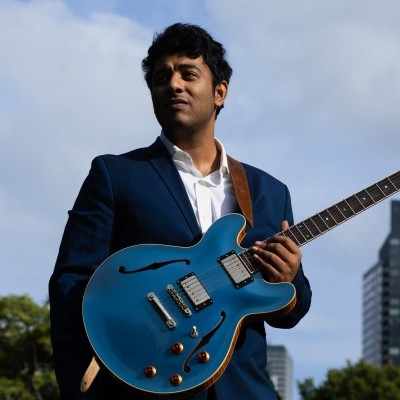
“The love from the jazz and music community restored my faith in humanity,” Walia wrote in an online post upon his release from detention at an ICE facility.
Aug 18, 2026 2:15 PM
Indian jazz guitarist and composer Pritesh Walia has been released after being unexpectedly detained by ICE and taken…
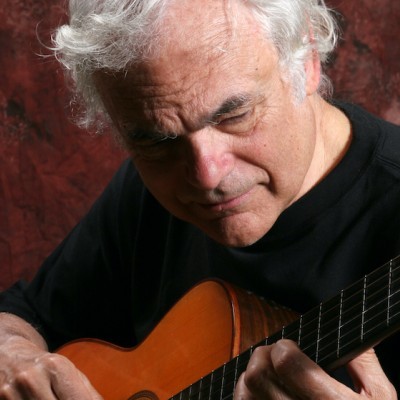
Bertoncini was a specialist and advocate for the nylon-string acoustic guitar, turning down high-profile opportunities that were unsuited to the sound and techniques that he used with that instrument.
Sep 1, 2026 11:06 AM
Gene Bertoncini, an esteemed jazz guitarist, composer, arranger and educator, died Aug. 29 at the Lillian Booth Actors…
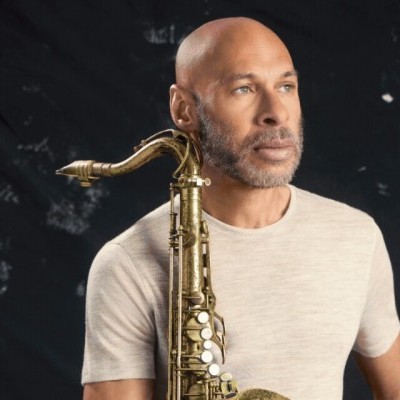
A solo concert by saxophonist Joshua Redman will close the first night of the Hyde Park Jazz Festival on Sept. 26.
Sep 22, 2026 12:26 PM
The Hyde Park Jazz Festival will take place for the 20th time on the final weekend of September 2026. Beginning half…
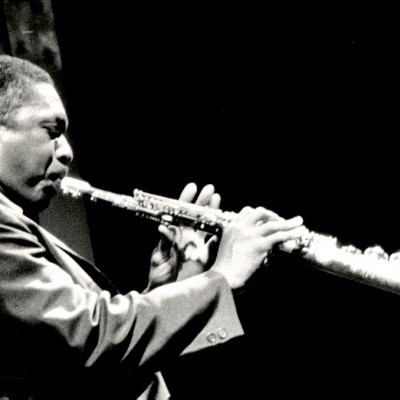
“It was just that suddenly … I could hear it,” Ravi Coltrane said of an epiphany he experienced during his late teens regarding his father’s music. “And it was almost like a calling, like something saying, ‘Hey, man, come on. It’s time to get serious.’ And the first time you really tune in and dial in and focus like that, it can be very life-changing.”
Sep 22, 2026 1:39 PM
Editor’s Note: Tomorrow, Sept. 23, is the 100th anniversary of John Coltrane’s birth. In honor of the tenor and…