Sep 3, 2026 10:44 AM
In Memoriam: Cassandra Wilson, 1955–2026
Cassandra Wilson, a singer, songwriter and producer who was one of the most acclaimed and successful jazz vocalists of…


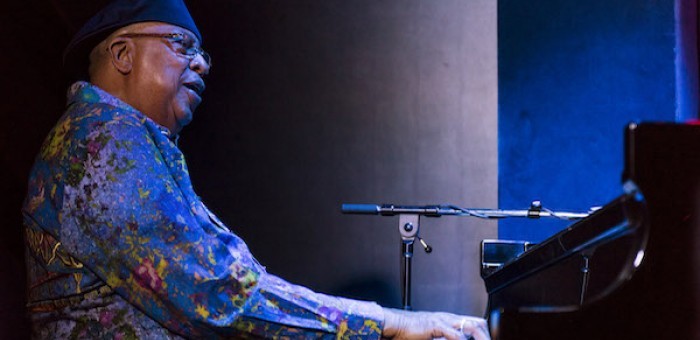
Chucho Valdés performs at Birdland in New York City as part of a six-night engagement at the venue.
(Photo: ©Jack Vartoogian/FrontRowPhotos.com)Most 75-year-olds residing in Miami, Florida, aspire to a comfortable retirement. Not so for master pianist-composer Chucho Valdés, who keeps homes there and in Malaga, Spain, with his wife and 10-year-old son, while sustaining a busy touring schedule in various contexts. One of those contexts is his virtuoso quartet—comprised of the bassist Gastón Joya, drummer Rodney Barreto and percussionist Yaroldy Abreu Robles, all young veterans of Irakere, which Valdés founded in Cuba during the ’60s. That group, which in 2016 released the album Tribute to Irakere (Live in Marciac) (Jazz Village), entered Manhattan’s Blue Note on May 9 for a six-night engagement, after playing the New Orleans Jazz and Heritage Festival two days before.
On May 10, Valdés opened the first set by unleashing his incomparably efflorescent chops on “Conga-Danza,” which the maestro composed during the 1970s and recorded both on Tribute To Irakere and the 2013 combo album Border Free. After a bravura opening section in which Valdés and the drummers operated in jaw-dropping synchronicity, Valdés launched a kaleidoscopic declamation, in which he built to volcanic peaks, scaled down to a simmering rubato solo section, and re-ascended to a fierce montuno, before giving it to the drummers, who improvised over the form as one voice.
There followed “Punto Cubano,” Valdés’ refraction of a rural, son-like Cuban folk song into the Latin-jazz context. Switching off between mezzo delicacy and forte declarations, Valdés developed the pungent melody, juxtaposing vertiginous double-time passages with block chords as Abreu Robles’ accompanied on a small shaker. Joya’s no-limits bass solo sustained the intensity.
Kenny Garrett played alto saxophone on two numbers, the first being “Guajira Para Bruce,” Valdés’ homage to the late Bruce Lundvall, who sponsored the documentation of much of Valdés’ musical production with Irakere and his other ensembles during his respective tenures at Columbia and Blue Note. After Valdés caressed the elegiac opening, accompanied by Abreu on chimes and a conical percussion instrument, he entered comp mode as Garrett built a keening, emotional statement that hewed close to the melody. Then he commenced a meditative solo, exploring contrapuntal possibilities. The final section was celebratory, spurring long, forceful lines from Garrett.
Garrett wailed multiple choruses over Valdés force-of-nature montuno on “Mambo Influenciado,” a descarga from the composer’s early years that is a well-disguised contrafact of Dizzy Gillespie’s “Bebop.” Early in his solo, Valdés quoted John Carisi’s “Israel,” then indulged himself over multiple choruses on a Bud Powell-to-Cecil Taylor statement, at one point playing rhythmically independent lines in the right and left hands, climaxing the flow with clusters executed with the palm of his right hand. The piece concluded with Barreto and Abreu again improvising melodically over the form.
After Garrett stepped down, Valdés offered a cappella ruminations, applying a Bill Evans-meets-bolero-meets-Art Tatum sensibility to a chorus or two of “My Romance,” then segueing to “Waltz For Debby,” before conjuring a speed-of-light fantasia on George Gershwin’s “But Not For Me” (documented at a more moderate tempo on 1998’s Bele Bele En La Habana), at one point playing the melody with the left hand while spinning out whirling variations with the right.
Two voices from different parts of the room simultaneously requested Ernesto Lecuona’s “La Comparsa,” on which Valdés famously duetted with his father, Bebo Valdés, in the film Calle 54, and recorded soon after on the 2003 album New Conceptions. On this evening, Valdés referenced the dance-inducing arrangement from the latter version, constructing an ebullient, ascendant solo that placed his still otherworldly chops and vivid imagination at the service of the song.
Those admirers, along with Valdés’ huge international fan base, should be pleased to absorb a slew of near-term projects that Valdés mentioned to DownBeat after the set—a forthcoming duo tour with Gonzalo Rubalcaba and one with his other quartet (Abreu on percussion, Yelsy Heredia on bass, and Pico Mónaco on drums); a hoped-for recording project with Garrett; a prospective release documenting a week with Joe Lovano at Birdland last November; and the September release on Motéma of a project on which he and Arturo O’Farill (son of Chico O’Farrill) join their own gifted offspring in celebrating the oeuvres of their fathers. DB
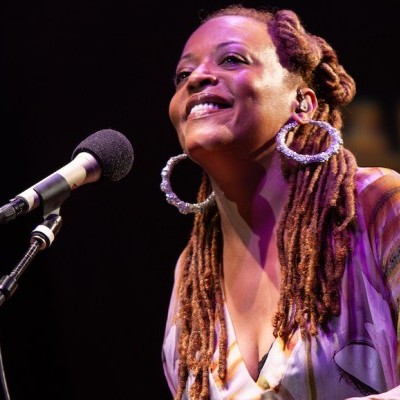
Wilson’s ability to connect to audiences helped her to win two Grammy awards and multiple other accolades. She was named an NEA Jazz Master in 2022.
Sep 3, 2026 10:44 AM
Cassandra Wilson, a singer, songwriter and producer who was one of the most acclaimed and successful jazz vocalists of…
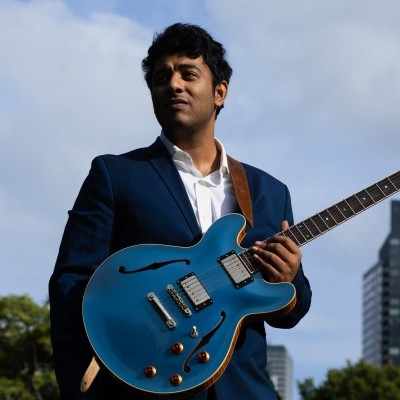
“The love from the jazz and music community restored my faith in humanity,” Walia wrote in an online post upon his release from detention at an ICE facility.
Aug 18, 2026 2:15 PM
Indian jazz guitarist and composer Pritesh Walia has been released after being unexpectedly detained by ICE and taken…
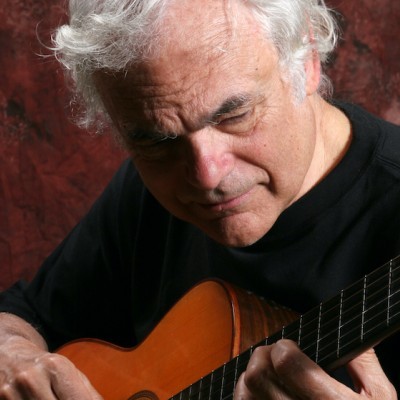
Bertoncini was a specialist and advocate for the nylon-string acoustic guitar, turning down high-profile opportunities that were unsuited to the sound and techniques that he used with that instrument.
Sep 1, 2026 11:06 AM
Gene Bertoncini, an esteemed jazz guitarist, composer, arranger and educator, died Aug. 29 at the Lillian Booth Actors…
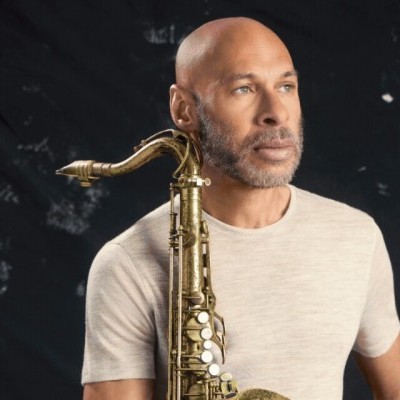
A solo concert by saxophonist Joshua Redman will close the first night of the Hyde Park Jazz Festival on Sept. 26.
Sep 22, 2026 12:26 PM
The Hyde Park Jazz Festival will take place for the 20th time on the final weekend of September 2026. Beginning half…
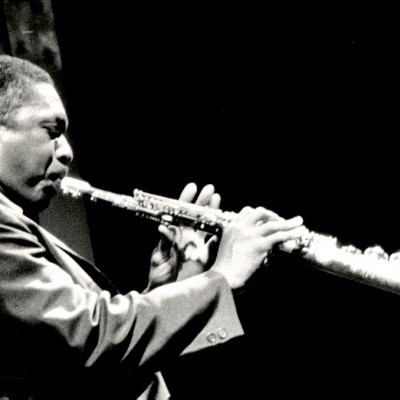
“It was just that suddenly … I could hear it,” Ravi Coltrane said of an epiphany he experienced during his late teens regarding his father’s music. “And it was almost like a calling, like something saying, ‘Hey, man, come on. It’s time to get serious.’ And the first time you really tune in and dial in and focus like that, it can be very life-changing.”
Sep 22, 2026 1:39 PM
Editor’s Note: Tomorrow, Sept. 23, is the 100th anniversary of John Coltrane’s birth. In honor of the tenor and…