Sep 3, 2026 10:44 AM
In Memoriam: Cassandra Wilson, 1955–2026
Cassandra Wilson, a singer, songwriter and producer who was one of the most acclaimed and successful jazz vocalists of…



Yazz Ahmed is among the 25 artists DownBeat thinks will help shape jazz in the decades to come.
(Photo: Seb JJ Peters)On the three studio albums flugelhorn player Yazz Ahmed’s released, there’s a very clear unfolding of singular ideas—an expansion of color and intent.
“I think I’m on the sort of outskirts, really,” Ahmed said about where she fits into the London jazz scene, a loose cohort of players who have come to impact the global understanding of how identity interacts with genre. “Shabakah [Hutchings] and I, we went to music college together, so that’s how I know him—I’ve known him for a very long time. But there are connections, even though my music, it’s not sonically similar to the people who are grabbing the headlines.”
What might cement her link to London’s current crop of players is a willingness to engage popular forms of music. As with La Saboteuse, Ahmed’s latest album is set to receive the remix treatment. “My friend, Charlie Jungle-Schaber, he sent me a list of a load of electronic artists that he thought I might like,” Ahmed said, discussing Polyhymnia Remixed, due out Nov. 6. “I wouldn’t have thought that I would have liked electronic or electronic experimental music, but I got into a lot of it. ... I chose the [producers], because I thought they would represent and respect my music. And also, they all have different backgrounds, so I thought it’d be interesting to hear my music through a different perspective.”
On Polyhymnia, Ahemd wrote for an ensemble of more than 20 musicians, etching in choruses and chanted vocal sections, but also space for improvised spotlights. As her approach to composition has continued to develop, the ensemble she’s worked with has grown, too, adding in instrumentation when she hears it in her mind. But the album’s premise—each song detailing the story of a woman who pushed against societal expectations—entailed a different kind of exploration for the bandleader.
“Polyhymnia, it was kind of very outward looking, you know? I was finding inspiration from these women that I was reading about,” said Ahmed, who lived in Bahrain until she was 9. “That really gave me the opportunity to learn about their stories and the music that they were brought up with. That really informs and inspires my writing, and you take that into your art.” DB
This story originally was published in the November 2020 issue of DownBeat. Subscribe here.
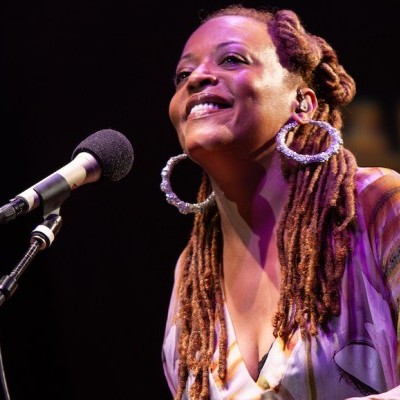
Wilson’s ability to connect to audiences helped her to win two Grammy awards and multiple other accolades. She was named an NEA Jazz Master in 2022.
Sep 3, 2026 10:44 AM
Cassandra Wilson, a singer, songwriter and producer who was one of the most acclaimed and successful jazz vocalists of…
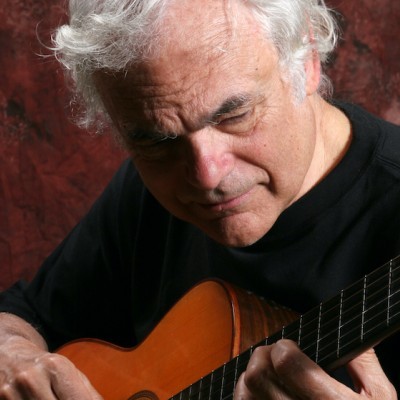
Bertoncini was a specialist and advocate for the nylon-string acoustic guitar, turning down high-profile opportunities that were unsuited to the sound and techniques that he used with that instrument.
Sep 1, 2026 11:06 AM
Gene Bertoncini, an esteemed jazz guitarist, composer, arranger and educator, died Aug. 29 at the Lillian Booth Actors…
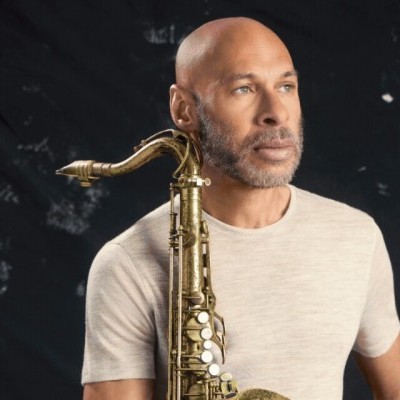
A solo concert by saxophonist Joshua Redman will close the first night of the Hyde Park Jazz Festival on Sept. 26.
Sep 22, 2026 12:26 PM
The Hyde Park Jazz Festival will take place for the 20th time on the final weekend of September 2026. Beginning half…
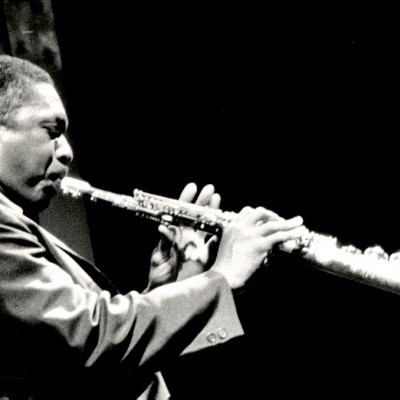
“It was just that suddenly … I could hear it,” Ravi Coltrane said of an epiphany he experienced during his late teens regarding his father’s music. “And it was almost like a calling, like something saying, ‘Hey, man, come on. It’s time to get serious.’ And the first time you really tune in and dial in and focus like that, it can be very life-changing.”
Sep 22, 2026 1:39 PM
Editor’s Note: Tomorrow, Sept. 23, is the 100th anniversary of John Coltrane’s birth. In honor of the tenor and…
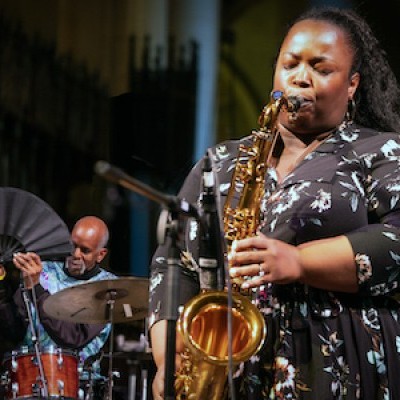
Camille Thurman took to the stage alongside bassist Kenny Davis and drummer Tommy Campbell for a rendition of Johnny Mercer’s “I’m An Old Cowhand” that recalled Rollins’ epochal 1957 trio outing Way Out West.
Oct 6, 2026 1:33 PM
As emcee Mark Ruffin noted at the commencement of an epic tribute to saxophonist Sonny Rollins at the Cathedral of…