Sep 3, 2026 10:44 AM
In Memoriam: Cassandra Wilson, 1955–2026
Cassandra Wilson, a singer, songwriter and producer who was one of the most acclaimed and successful jazz vocalists of…


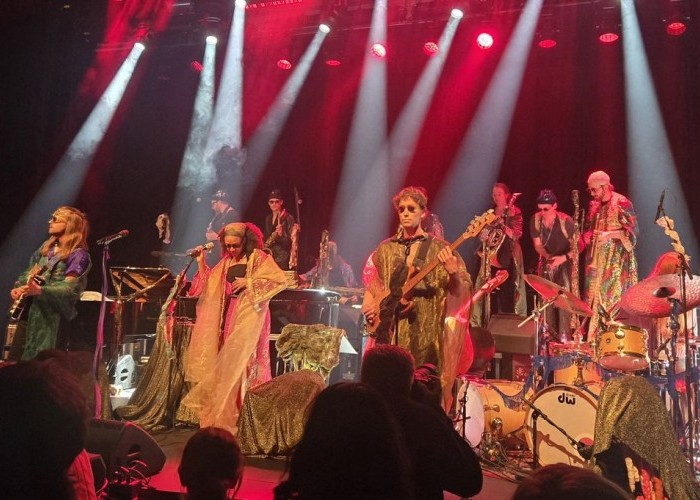
Fun-loving progressive powers, mixed with kitschy and shiny space/myth age costumes, make the Cosmic Swing Orchestra both entertaining and envelope-pushing.
(Photo: Josef Woodard)Here are two of significant traits of the Molde Jazz Festival, in the beauteous fjord-kissed landscape of Western Norway: It is a prime example of the festival model in which a coveted and tiny tourist destination town swells to epic cultural proportions during its annual jazz festival week; not incidentally, it may be the world’s oldest continuous (key word) jazz festival in the known world, depending on who you’re talking to, taking the crown from the Monterey Jazz Festival.
According to inside Molde sources, the festival overtook Monterey’s claim because their event pushed through the COVID clampdown, never skipping a beat. The jury and Wikipedia sources are still debating the truth of the matter.
In this visually and atmospherically blessed location, fringed by the Romsdalfjord and dubbed the “City of Roses,” relaxation and sensory pleasures are carefully balanced with an informed attention to curatorial detail. Representing jazz in a broad sense and maintaining integrity of programming is key to making this a jewel on the generally strong Norwegian jazz festival circuit.
Molde’s focus leans into Norwegian and Nordic scenes, but with a strong and determined link to American and international forces in jazz, seeking a broader picture of what makes for jazz’s ever-shifting make-up in a given year. This year, the contingent of American artists included, as artist-in-residence, the hard-to-pigeonhole bassist-vocalist esperanza spalding — creatively restless with a passion — whose opening night show, reportedly, gamely blended her own loose programmatic notions and Norwegian musicians and themes (travel plans prevented me from catching this concert, or the Trondheim Jazz Orchestra’s new work, by Karoline Wallace).
We heard an accessible party-ready set from drummer Nate Smith’s currently more unapologetically groove-lined band — less artistically elastic than his group Kinfolk. From the notable up-and-coming American jazzer set, the program included tradition-redialing trumpeter Riley Mulherker and agile vibist Sasha Berliner, who could later be heard burning it up in the after-hours jam up the hill (I do mean “up”) at the 1918-built manor called the Chateauet.
Heading straight over from her triumphant stint as artist-in-residence at the North Sea Jazz Festival’s 50th anniversary edition, Cécile McLorin Salvant brought her ace quartet, featuring the always-commanding and sensitive pianist/keyboardist Sullivan Fortner as her chief artistic ally. Harpist Brandee Younger, now deep enough into her musical stride and public exposure that the idea of jazz harp does more than raise eyebrows, brought over her rightfully acclaimed post-Alice Coltrane sensibility, in trio form, to the festival’s Teatret Vart venue, in the central Plassen compound.
For more general audience allure (and helping to subsidize more adventurous programming), the vast and scenic outdoor venue of the Romsdal Museum, high up the hill, brought out hordes of not-necessarily-jazz-fan listeners to hear the likes of faintly jazz-handy pop star John Legend and gifted Norwegian pop singer SKAAR. On a historical note, the Romsdal Museum, like other similar spots in Western Norwegian cities, preserves vintage architectural standards and regional culture in a part of the world where Nazi bombing in 1940 devastated many a downtown area in the region — part of the Third Reich scheme of establishing a western front from which to plot world domination.
Suitably settled into the invitingly funky “underground” space at Fuzzy’s bar and hang zone on the main street, dazzling and sly guitarist-bandleader Karl Bjorå (also part of the OKJOS group) led an impressive electro-acoustic ensemble. This is a group of deliberately diverse idiomatic make-up, and open to free improv in the margins of taut sections. Call it prog-based music colored by fjordside art folk, with chugging rock pulses mixed with excursions into the unknown. When I asked the band’s versatile hardanger fiddler Selma French to describe the general vibe of the band, she paused before saying “mad … and beautiful.” Fair enough.
Young creative fire and refusal to abide by strict rules of conduct continued late the same night in the Plassen’s top floor Storyville venue, with the wily foursome called Sakte, fallender (translating to “Falling, slowly”), winners of the prestigious and lucrative Young Musicians of the Year award. As they told me at a press conference the next day, spontaneity and conceptualism are vital elements in their approach, and evident in the fact that their set here was finished baking only two hours prior. Their sound can range from maverick rock to psychedelic detours, loose-limbed song structures to new ideas on the grill–eg “Hey, at some point, let’s all play the piano, piano for eight hands style.”
In more intimate settings, Danish drummer and bandleader Michala Østergaard pulled together a lyrical, poetic and free-minded variation on the “piano trio” modality, with no less a pianist than organically flexible American heroine Marilyn Crispell, and formidable bassist Tommy Andersson. And Molde-bred Daniel Herskedal, on tuba and bass trumpet and knob-tweaking, effectively transformed the town’s Domkirke sanctuary into a safe haven for ambient electro-acoustic tone painting, to dreamy ends.
This year in Molde, as often happens in Norwegian ensemble configuring, notions of ensemble tradition were fascinatingly turned asunder and rerouted. One of the prize groups in the region is Trondheim Voices, mixing contemporary choral sounds and visions with tasteful electronic additives and new vocal strategies, somewhere in the zone between jazz, new music and indigenous Nordic choral music. Fun-loving progressive powers, mixed with kitschy and shiny space/myth age costumes, make the Cosmic Swing Orchestra both entertaining and envelope-pushing, with affectionate nods to the legacy and spirit of Sun Ra.
My favorite ensemble of the festival, though, was OJKOS, described as an “orchestra for jazz composers in Oslo.” They vibrantly delivered inspired Danish-born, Norway-based composer-saxophonist Maria Dybbroe’s concept piece suite dubbed Wood Wide Web. Vocalist Mariam Wallentin’s left-of-center deftness made for a perfect addition to the essentially left-of-center opus.
Aside from the more ambitious structured music with big intentions at the festival, some of the boldest highlights arrived without written scores and in the intimate quarters of improvised duets. The intrepid, inspired souls in conversation — and in charge: spalding, on bass and free vocalizing, and British sax/flute sensation Shabaka; and the high art “outside” adventuring of veteran pianist and free-jazz pioneer Alexander von Sclippenbach, now 88 and going strong, and one of Norway’s finest, and yet also wild-edged, drummer Paal Nilseen-Love.
Early risers, by nature or necessity, poured into the view-endowed Reknesparken park at 7 a.m. to catch the empathetic on-the-spot inventions and dialogues of spalding and Shabaka — this short hours after spalding had performed past midnight the night prior, in a riff-driven trio set with nimble British singer ESKA and Burkina Faso-born percussionist Mélissa Hié.
Over at the piano-drums duet zone, Schlippenbach and Nilssen-Love made ugly beautiful music together (pardon the Monk wink, Monk being a recurring theme for Schlippenbach, who quoted Monk tunes during the set and has previously performed at this festival with his renegade “tribute band” Monk’s Casino).
Nilssen, a native of the area and thus one of Molde’s great gifts to modern music, has proven a much-valued partner and creative force, as one of the late, great Peter Brotzmann’s finest drummer comrades, and in such bands as The Thing, his own innovative big band Large Unit (ahem) and even recently making an artful noise on a solo gong project. At Molde 2026, Nilssen-Love and the ever-ready music-tapper Schlippenbach potently seized and sculptured the improvised moment, in the Saturday afternoon slot in the Teatret Vårt.
Memories are made of this, and other bright moments in this, another legacy-keeping edition of the Molde festival. The world’s oldest? Maybe, but certainly one of the best. DB
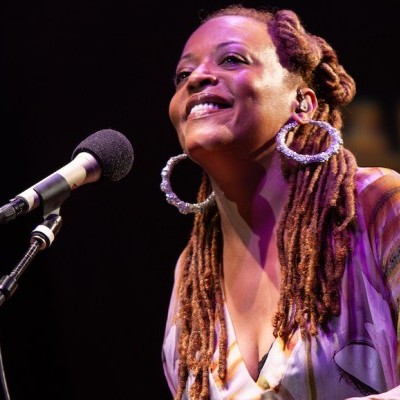
Wilson’s ability to connect to audiences helped her to win two Grammy awards and multiple other accolades. She was named an NEA Jazz Master in 2022.
Sep 3, 2026 10:44 AM
Cassandra Wilson, a singer, songwriter and producer who was one of the most acclaimed and successful jazz vocalists of…
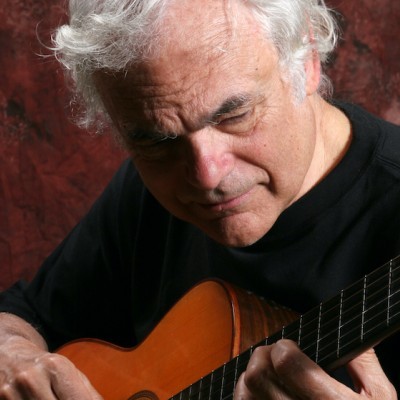
Bertoncini was a specialist and advocate for the nylon-string acoustic guitar, turning down high-profile opportunities that were unsuited to the sound and techniques that he used with that instrument.
Sep 1, 2026 11:06 AM
Gene Bertoncini, an esteemed jazz guitarist, composer, arranger and educator, died Aug. 29 at the Lillian Booth Actors…
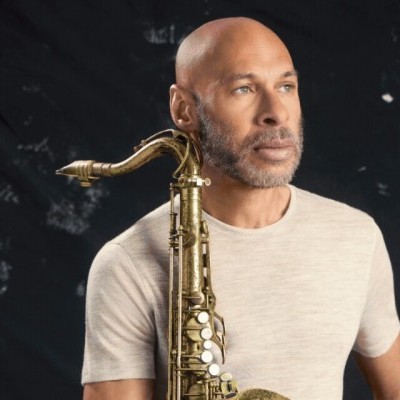
A solo concert by saxophonist Joshua Redman will close the first night of the Hyde Park Jazz Festival on Sept. 26.
Sep 22, 2026 12:26 PM
The Hyde Park Jazz Festival will take place for the 20th time on the final weekend of September 2026. Beginning half…
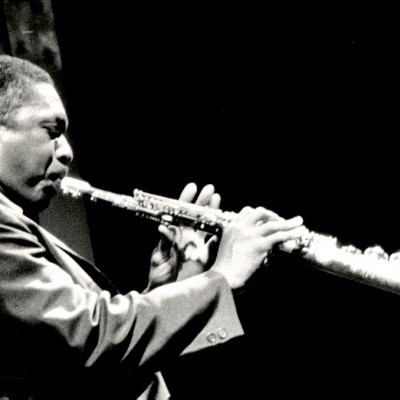
“It was just that suddenly … I could hear it,” Ravi Coltrane said of an epiphany he experienced during his late teens regarding his father’s music. “And it was almost like a calling, like something saying, ‘Hey, man, come on. It’s time to get serious.’ And the first time you really tune in and dial in and focus like that, it can be very life-changing.”
Sep 22, 2026 1:39 PM
Editor’s Note: Tomorrow, Sept. 23, is the 100th anniversary of John Coltrane’s birth. In honor of the tenor and…
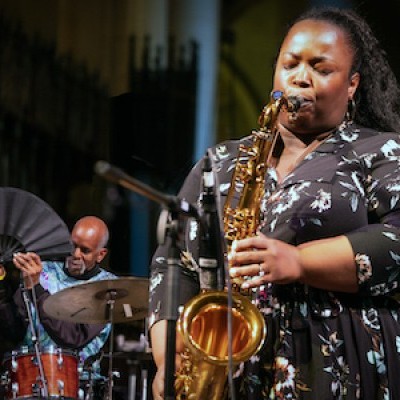
Camille Thurman took to the stage alongside bassist Kenny Davis and drummer Tommy Campbell for a rendition of Johnny Mercer’s “I’m An Old Cowhand” that recalled Rollins’ epochal 1957 trio outing Way Out West.
Oct 6, 2026 1:33 PM
As emcee Mark Ruffin noted at the commencement of an epic tribute to saxophonist Sonny Rollins at the Cathedral of…