Sep 3, 2026 10:44 AM
In Memoriam: Cassandra Wilson, 1955–2026
Cassandra Wilson, a singer, songwriter and producer who was one of the most acclaimed and successful jazz vocalists of…


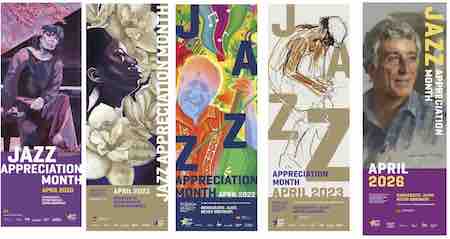
Each of the 25 JAMs has delivered a poster featuring a jazz legend that is sent out to schools across the nation. This year’s poster features Tony Bennett.
(Photo: Courtesy The Smithsonian)Every April for the past quarter century, something remarkable has happened across the United States and far beyond. Classrooms have swung, libraries have hummed, concert halls have pulsed and communities have gathered to celebrate an art form that has shaped — and continues to shape — our cultural DNA. Jazz Appreciation Month, or JAM, turns 25 this year. That milestone offers an opportunity to recommit ourselves to the music we love and to the people who make it.
When JAM began, the idea was disarmingly simple: Dedicate one month each year to shining a national spotlight on jazz — its history, its living practitioners and its power to inspire. I first conceived the idea while serving as curator, and the Smithsonian’s National Museum of American History brought it to life in 2002. We had the help of a coalition of educators, musicians, broadcasters, foundations and federal agencies. Quincy Jones helped announce it to the world. Soon after, Congress endorsed it. And before long, JAM was being celebrated in all 50 states and dozens of countries.
I saw JAM as a platform, a hook and a shared moment when the entire ecosystem of jazz could come together. The idea has taken on a life of its own — like a melody passed from player to player, transformed by each musician who takes it up. I often hear people mention “Jazz Month” as a given, unaware of who started it or when. And frankly, that is the greatest reward. The idea is out there, alive, accepted and expected.
From a curator’s desk at the Smithsonian to far-flung corners of the globe, JAM grew because thousands of musicians, educators, presenters and fans decided to make it their own. The international embrace underscores a truth jazz musicians have always known: This music travels. It connects. It bridges. It invites.
April wasn’t chosen at random. It sits in the sweet spot of the school year, when bands are ready to play at their best and teachers can build toward a culminating celebration. It also happens to be the birth month of Duke Ellington, Ella Fitzgerald, Bessie Smith, Billie Holiday, Charles Mingus, Lionel Hampton, Tito Puente, Mongo Santamaria, Herbie Hancock and other giants — all offering hooks for programming. And because April is also National Poetry Month, it opens natural doors to jazz‑and‑poetry collaborations.
JAM has helped normalize the idea that jazz is worth a month‑long spotlight, classroom time, civic proclamations and vivid posters on embassy walls. During one April, a New Jersey teacher led 250 elementary students in scat-singing sessions and invited the mayor to hear the school jazz ensemble. A library in Wisconsin mounted a jazz-themed art exhibit. A jazz society in Lithuania organized folk-jazz concerts. A high school band in Washington, D.C., performed Ellington charts for a packed auditorium.
Twenty-five years in, JAM has become part of the cultural landscape — mentioned on Saturday Night Live, recognized by the Bush White House, embraced by cities like Dallas and Philadelphia, woven into the rhythms of schools, libraries and arts organizations nationwide. More than four million JAM posters have been distributed. Tens of millions of people have encountered JAM through radio, print and online media. Countless students have had their first meaningful encounter with jazz because someone chose to participate. International Jazz Day, declared in 2011, adds an April 30 capstone.
Yet the work is far from finished. Jazz still needs advocates. It still needs listeners. It still needs champions who will carry its values — creativity, diversity, freedom, empathy — into the public sphere.
Looking ahead, the question is whether we can deepen that norm into habit — whether we can turn awareness into action. Will April be the month when your city expects to hear more jazz in public places? When your school anticipates a special project? When your club books an extra educational event or cross‑generational gig? When you, personally, decide to introduce one new person to the music?
Jazz has always thrived on the tension between structure and spontaneity. Jazz Appreciation Month is the structure: a recurring form, 30 days long. What we pour into it — gigs, lessons, playlists, conversations, proclamations, late‑night sessions — that’s the improvisation.
Here’s the invitation I put in every DownBeat reader’s hands at JAM 25:
• Discover. Pick a musician or style you’ve avoided and give it honest listening time. (Not background music — attention music.)
• Support. Buy a ticket, tip the band, subscribe, teach, mentor, share a record with a younger listener. Donate an instrument to a school. Support your local radio station that plays jazz.
• Connect. Host a listening session, start a small campus jam club, program a library display or simply bring a friend to their first live jazz night. If you’re a musician, donate a performance to a local school, or request funding for a concert from the Music Performance Trust Fund.
• Celebrate. Use the “April hook” to pitch a story to your local newspaper or TV station. They are always looking for content, and Jazz Appreciation Month gives them a reason to cover you now.
For its part, the National Museum of American History, under curator Ashley Mayor, is presenting a rich array of programs. The 2026 JAM poster features Tony Bennett in his centennial year.
JAM’s first 25 years have shown what’s possible when a community comes together around a shared love. The next 25 years will depend on what each of us chooses to do with that love.
JAM’s premise is that jazz grows one conversion at a time. Most people don’t hate the music; they just don’t know it. JAM exists to close that gap with joy — to turn strangers into listeners, listeners into advocates. At 25, JAM doesn’t need applause; it needs participants. If you love this music, April is your invitation to step up, swing a little harder, and help someone not say, “I don’t know jazz,” but instead, “I didn’t know what I was missing!” DB
John Edward Hasse is curator emeritus for the Smithsonian and the creator of Jazz Appreciation Month. For more information and ideas about how to celebrate JAM25, visit shorturl.at/OLjVJ or write mayora@si.edu.
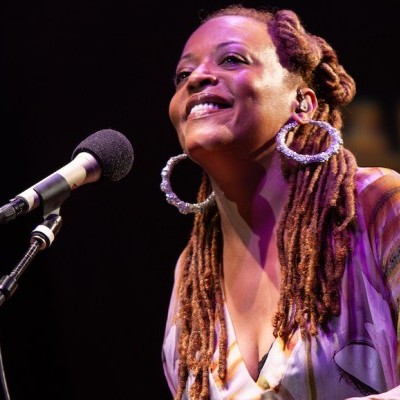
Wilson’s ability to connect to audiences helped her to win two Grammy awards and multiple other accolades. She was named an NEA Jazz Master in 2022.
Sep 3, 2026 10:44 AM
Cassandra Wilson, a singer, songwriter and producer who was one of the most acclaimed and successful jazz vocalists of…
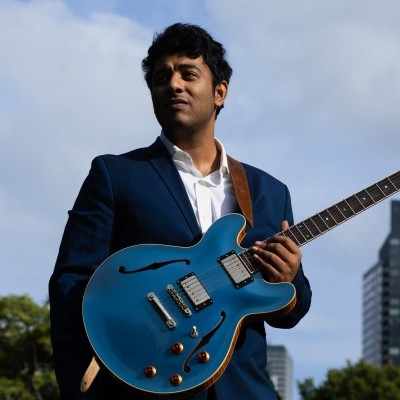
“The love from the jazz and music community restored my faith in humanity,” Walia wrote in an online post upon his release from detention at an ICE facility.
Aug 18, 2026 2:15 PM
Indian jazz guitarist and composer Pritesh Walia has been released after being unexpectedly detained by ICE and taken…
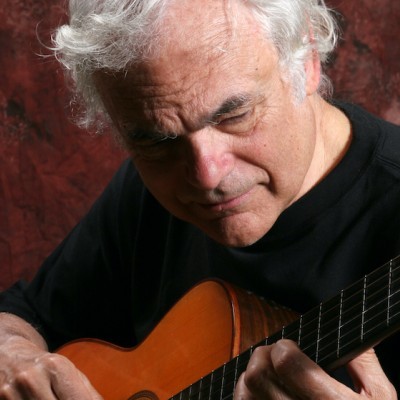
Bertoncini was a specialist and advocate for the nylon-string acoustic guitar, turning down high-profile opportunities that were unsuited to the sound and techniques that he used with that instrument.
Sep 1, 2026 11:06 AM
Gene Bertoncini, an esteemed jazz guitarist, composer, arranger and educator, died Aug. 29 at the Lillian Booth Actors…
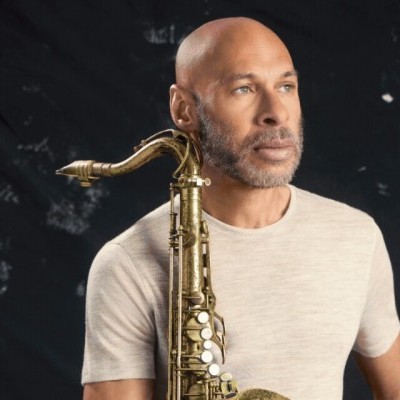
A solo concert by saxophonist Joshua Redman will close the first night of the Hyde Park Jazz Festival on Sept. 26.
Sep 22, 2026 12:26 PM
The Hyde Park Jazz Festival will take place for the 20th time on the final weekend of September 2026. Beginning half…
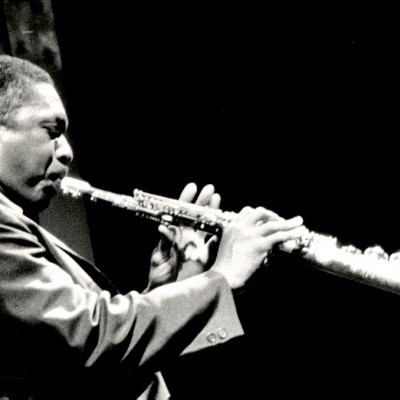
“It was just that suddenly … I could hear it,” Ravi Coltrane said of an epiphany he experienced during his late teens regarding his father’s music. “And it was almost like a calling, like something saying, ‘Hey, man, come on. It’s time to get serious.’ And the first time you really tune in and dial in and focus like that, it can be very life-changing.”
Sep 22, 2026 1:39 PM
Editor’s Note: Tomorrow, Sept. 23, is the 100th anniversary of John Coltrane’s birth. In honor of the tenor and…