Sep 3, 2026 10:44 AM
In Memoriam: Cassandra Wilson, 1955–2026
Cassandra Wilson, a singer, songwriter and producer who was one of the most acclaimed and successful jazz vocalists of…


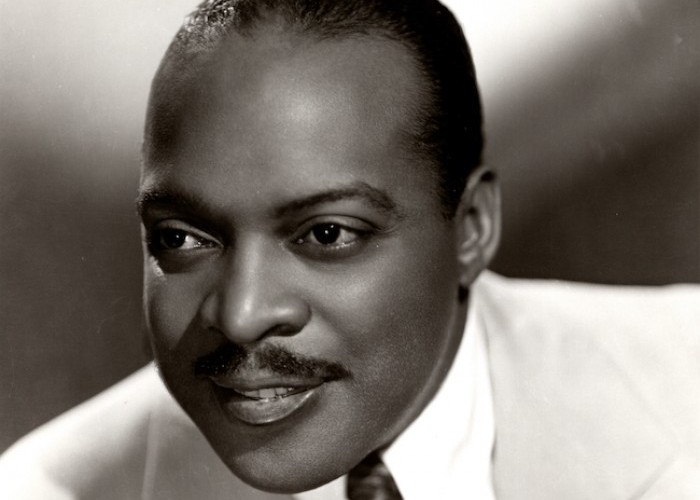
Count Basie’s is the most-represented orchestra on the new Mosaic V-Disc set.
(Photo: DownBeat Archive)The V-Disc program lasted less than six years (1943–’49) but it documented quite a bit of rewarding music. In 1943, with the American Federation of Musicians in the middle of a recording strike, the idea for V (for victory)-Discs originated when Lt. Robert Vincent convinced James Petrillo, the head of the AFM, to allow musicians to record music for the troops. Petrillo agreed but with two conditions: The musicians were not to be paid, and the discs, which would be unavailable in the U.S, were to be destroyed when World War II ended. Fortunately, the V-Discs survived. All types of music were recorded, but, since swing was at the height of its popularity, a large amount of high-quality jazz was documented that would otherwise have been lost.
Mosaic had previously compiled the superb limited-edition 11-CD box set Classic V-Disc Small Group Jazz Sessions. Its follow-up is the 10-CD Classic V-Disc Big Band Jazz Sessions (Mosaic; ★★★★½ 1,460:03). While V-Discs sometimes contained reissues of other recordings, Mosaic (as with the previous set) concentrates exclusively on performances recorded specifically for V-Disc. While many of the selections had been previously issued piecemeal, these two boxes are the most comprehensive V-Disc sets ever.
The quantity of music is extraordinary: 213 songs, including a dozen released for the first time. In addition, many of the bandleaders were persuaded to record very brief spoken introductions; a few dozen are included.
While Duke Ellington is absent (his V-Discs were taken from radio shows and earlier recordings), and Benny Goodman will be released on a future set, 34 other bands are heard from. The number in parenthesis after the bandleader’s name in this review is that of their orchestra’s featured performances.
Disc 1 begins with Woody Herman (16), whose First Herd was his most enthusiastic, with the trumpet section always seeming to be on the verge of exploding. As with many of the V-Discs, such stirring numbers as “Red Top,” “Apple Honey” and “Your Father’s Mustache” predate the familiar recorded versions. Chubby Jackson’s Mad Mob (3) has the uninhibited bassist leading the Herman band without the leader; Martha Raye takes an effective vocal on “He’s Funny That Way.”
Les Brown (6) had an underrated and solidly swinging outfit that outlasted all of the other big bands of the swing era. Doris Day sings “Take Me In Your Arms” while “Mexican Hat Dance” and “Flip Lid” are the Brown band’s most notable performances. Charlie Barnet (8) and his group always sounded as if they were having a great time. The 1944 version plays new versions of his hits “Cherokee” and “Pompton Turnpike” and two early versions of “Skyliner” (with pianist Dodo Marmarosa). Guitarist Barney Kessel is one of the band’s main soloists, and Kay Starr sings “Sharecroppin’ Blues.”
By 1943–’44, many bandleaders who were best known for playing sweet dance music felt it was safe to also play some swing. The numbers included by the bands of Mal Hallett (3), Clyde Lucas (3), Ted Fiorito (1) and particularly Kay Kyser (3) are all very credible swing performances. A small-group selection left off of the earlier Mosaic box features singer Dottie Reed on “Born To Be Blue.” Gene Krupa (4) is featured with his string orchestra in 1944 and on two numbers a year later that showcase Anita O’Day. Three of Buddy Rich’s struggling big bands of 1946–’48 (12) are heard with plenty of drum breaks and two of the leader’s effective vocals. Harry James’ (11) very popular orchestra is mostly conventional on their numbers with the trumpeter and altoist Willie Smith getting in some good spots, particularly on the two-part “Eight Bar Riff.” While Claude Thornhill (1) has only a cameo, the 1943–’45 Count Basie Orchestra (26) is well represented, with Lester Young taking five solos on the earlier sessions.
The other orchestras include those led by Lionel Hampton (6), the Casa Loma Orchestra with cornetist Bobby Hackett (3), a strong instrumental set by Jimmy Dorsey (9), Tommy Dorsey (2), the first recorded reunion of the Dorsey Brothers since 1935 (2), Randy Brooks (2), Jimmie Lunceford (5), Don Redman (4), Charlie Spivak (3), Lee Castle (2), Tony Pastor (2), Yank Lawson’s specially assembled ensemble (4) and Bill Heathcock’s V-Disc West Coasters (8). Several excellent if obscure military jazz orchestras (12) are also represented, plus Glenn Miller’s superb Army Air Force Band (10) and Sam Donahue’s Navy Dance Band (20).
Robert Vincent must have been very pleased with how his idea turned out. DB
Ordering info: mosaicrecords.com
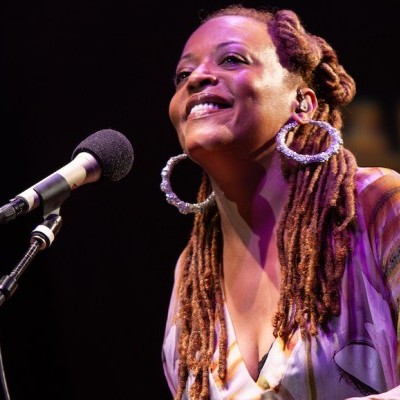
Wilson’s ability to connect to audiences helped her to win two Grammy awards and multiple other accolades. She was named an NEA Jazz Master in 2022.
Sep 3, 2026 10:44 AM
Cassandra Wilson, a singer, songwriter and producer who was one of the most acclaimed and successful jazz vocalists of…
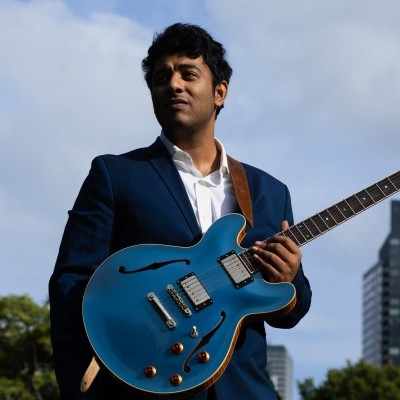
“The love from the jazz and music community restored my faith in humanity,” Walia wrote in an online post upon his release from detention at an ICE facility.
Aug 18, 2026 2:15 PM
Indian jazz guitarist and composer Pritesh Walia has been released after being unexpectedly detained by ICE and taken…
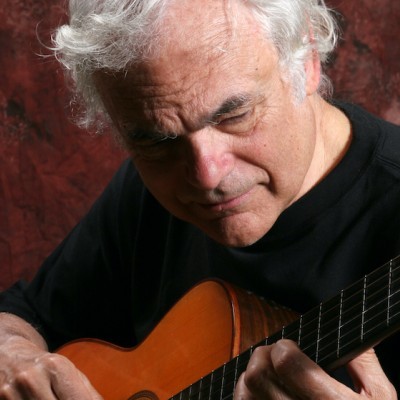
Bertoncini was a specialist and advocate for the nylon-string acoustic guitar, turning down high-profile opportunities that were unsuited to the sound and techniques that he used with that instrument.
Sep 1, 2026 11:06 AM
Gene Bertoncini, an esteemed jazz guitarist, composer, arranger and educator, died Aug. 29 at the Lillian Booth Actors…
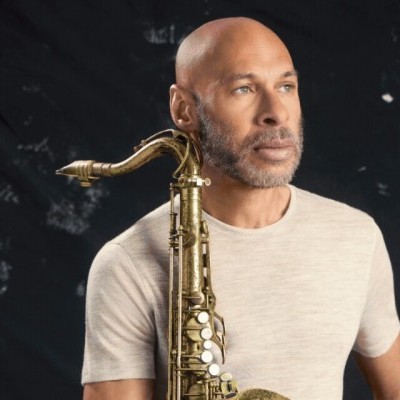
A solo concert by saxophonist Joshua Redman will close the first night of the Hyde Park Jazz Festival on Sept. 26.
Sep 22, 2026 12:26 PM
The Hyde Park Jazz Festival will take place for the 20th time on the final weekend of September 2026. Beginning half…
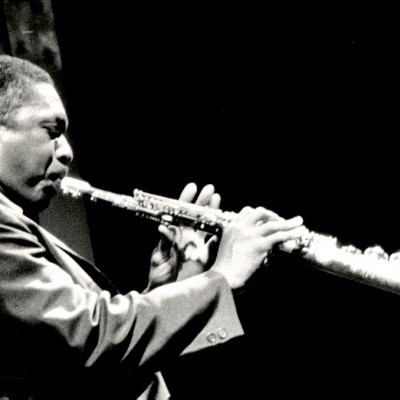
“It was just that suddenly … I could hear it,” Ravi Coltrane said of an epiphany he experienced during his late teens regarding his father’s music. “And it was almost like a calling, like something saying, ‘Hey, man, come on. It’s time to get serious.’ And the first time you really tune in and dial in and focus like that, it can be very life-changing.”
Sep 22, 2026 1:39 PM
Editor’s Note: Tomorrow, Sept. 23, is the 100th anniversary of John Coltrane’s birth. In honor of the tenor and…