Sep 3, 2026 10:44 AM
In Memoriam: Cassandra Wilson, 1955–2026
Cassandra Wilson, a singer, songwriter and producer who was one of the most acclaimed and successful jazz vocalists of…


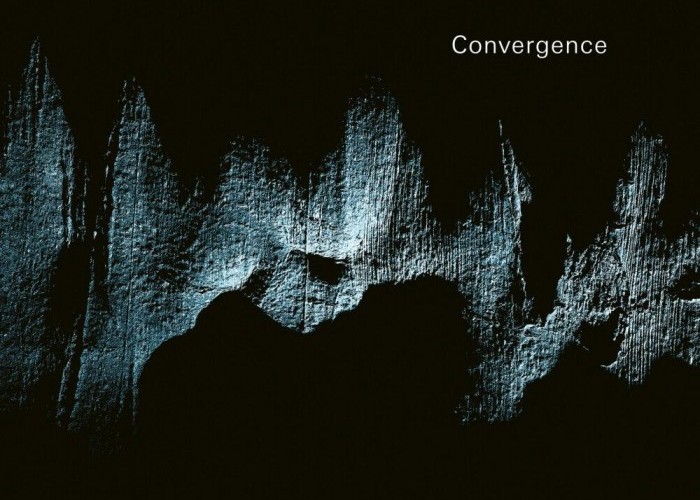
Björn Meyer’s Convergence
(Photo: Courtesy ECM Records)Swedish bassist Bjørn Meyer releases his second solo LP, Convergence (ECM; ★★★ 37:58), certainly not sounding alone with his deep drapery of effects. Minute details of Meyer’s six-string electric axe fingerings promenade across the sonic stage, hanging decay contrails forming a deep tonal backdrop. He improvises in the studio, with an ear for instant composition, his bass often hiking up to a guitar range from graceful picking to forceful strums. Atmosphere has primacy. An interesting, nay frightening, strike opens “Drift,” incongruously returning coated in far-distant reverb and echo to punctuate this floater. He makes a manifestation of systems music when he introduces rhythmic repetitions, as on “Motion,” reminiscent of the style adopted by Andy Summers and Robert Fripp in 1982. “On Hope” features a slow tumble of notes and phrases, then “Rewired” shunts to a massive soundstage. Perhaps this album should have been longer than 38 minutes to accommodate these epic spreads?
Ordering info: ecmrecords.com
Hopping across to Finland, Rabbit Hole (Eclipse; ★★★½ 41:00) finds Helsinki tenor saxophonist Pauli Lyytinen working in a similarly landscaped zone. Rabbit Hole is also the name of Lyytinen’s trio with Andreas Løwe (keyboards) and Julian Sartorius (drums). Roles are smeared, as Lyytinen and Løwe also employ electronic tweaks and coatings of unlikely tones and textures. Spontaneous spatial positioning also succeeds in painting this almost mystical geography. Sounds akin to koto and gamelans are sprinkled, alongside a general bleep-scattering, as the focus zooms in on the tenor’s interior bowels. “Snirkel” has soft repeats, while “Mooncat” has a new-agey synth-warble and some imaginative percussion. Lyytinen takes a tenor solo on “Barrelling,” his reed vibrating alongside piano progressions and slowclap percussion. All is softness, and ECM ought to welcome Lyytinen into its folds, so he could spread his highly evocative mysteries further.
Ordering info: eclipsemusicrecordlabel.bandcamp.com
Denmark is also offering quality deceleration (and thoughtful minimalism) with a piano trio album from Ginman Blachman Dahl, Plays Ballads (Storyville; ★★★½ 61:18), taking a standards selection down real slow. Each of them have a long history together (from 1992), but this is their first foray into radical ballad conversion. There’s a moderate opening glide, but the genuine enchantment begins on the fourth track, as the Duke Ellington focus becomes apparent, followed by slow gems from Thelonious Monk (“Blue Monk”) and Nat Adderley (“Work Song”, the fastest, most emphatic interpretation here). There is a soft form of subversion to experience these tunes at an exceedingly careful pace, slinking and shimmering with spacious restraint. Thomas Blachman’s brushes are out, softly rustling, while Carsten Dahl’s piano notes are diligently in place. “C-Jam Blues” roams up a different avenue, and the album concludes with a Duke threesome (also with Billy and Mercer), “Satin Doll” reclining in the lounge, “Come Sunday” and “Things Ain’t What They Used To Be” sealing this dreamy triumph.
Ordering info: storyvillerecords.com
The fourth Nordic album on show is the most mainline in terms of pace and push, but it’s also, paradoxically, the least exciting. From Norway, bassman Bjørn Alterhaug leads his quartet, recorded high up in Trondheim. Blame It On My Age (Losen; ★★ 53:33) has tenor saxophone, piano and drums making up a classic lineup, but also a very conventional one, especially when viewed in the glowing context of this column’s preceding releases. Alterhaug contributes four originals, with “Drum Bird” being the best, the others somewhat lacking, bland and prettified. Erlend Vangen Kongtorp has a pleasing tenor tone, but there are few untoward moves, the pieces being pleasantly played but unremarkable. Track 6 is where the LP lifts up, with “Oleo,” a spirited reading with push and pull inside the quartet. Then there’s a ballad with more heartfelt meaning, “Easy Living” adding velvet quality. Alterhaug is now 80, recently surmounting the effects of a 2017 stroke, although the lack is not with his playing but with some of the tunes and with the band relationship itself. Fortunately, some tension returns for Horace Silver’s “Peace,” with its tenor-drums tussle, followed by a second section that allows for meditation, and then a closing second romp through “Oleo,” well justified: spirited, speedy and assured. DB
Ordering info: losenrecords.no
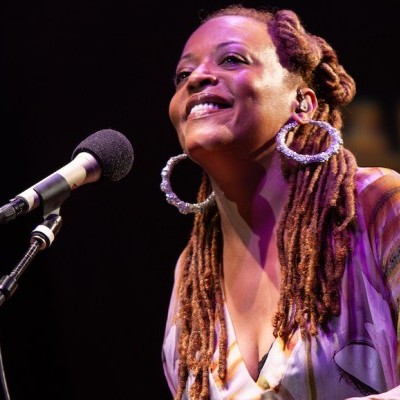
Wilson’s ability to connect to audiences helped her to win two Grammy awards and multiple other accolades. She was named an NEA Jazz Master in 2022.
Sep 3, 2026 10:44 AM
Cassandra Wilson, a singer, songwriter and producer who was one of the most acclaimed and successful jazz vocalists of…
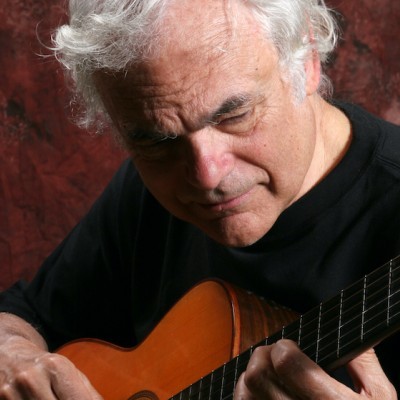
Bertoncini was a specialist and advocate for the nylon-string acoustic guitar, turning down high-profile opportunities that were unsuited to the sound and techniques that he used with that instrument.
Sep 1, 2026 11:06 AM
Gene Bertoncini, an esteemed jazz guitarist, composer, arranger and educator, died Aug. 29 at the Lillian Booth Actors…
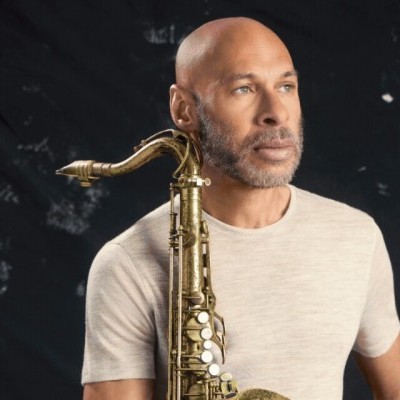
A solo concert by saxophonist Joshua Redman will close the first night of the Hyde Park Jazz Festival on Sept. 26.
Sep 22, 2026 12:26 PM
The Hyde Park Jazz Festival will take place for the 20th time on the final weekend of September 2026. Beginning half…
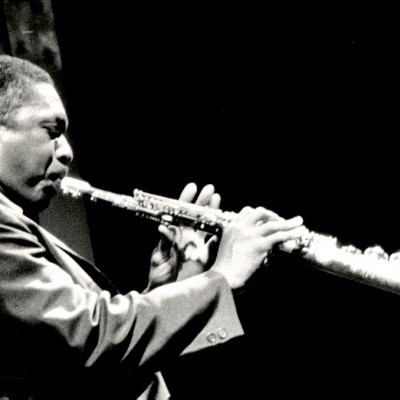
“It was just that suddenly … I could hear it,” Ravi Coltrane said of an epiphany he experienced during his late teens regarding his father’s music. “And it was almost like a calling, like something saying, ‘Hey, man, come on. It’s time to get serious.’ And the first time you really tune in and dial in and focus like that, it can be very life-changing.”
Sep 22, 2026 1:39 PM
Editor’s Note: Tomorrow, Sept. 23, is the 100th anniversary of John Coltrane’s birth. In honor of the tenor and…
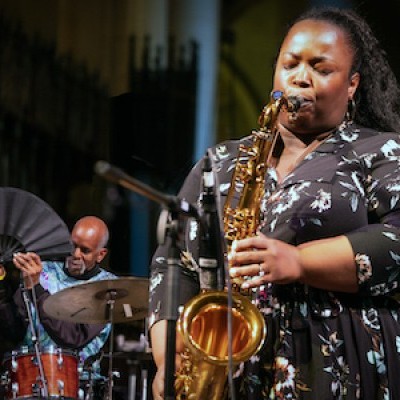
Camille Thurman took to the stage alongside bassist Kenny Davis and drummer Tommy Campbell for a rendition of Johnny Mercer’s “I’m An Old Cowhand” that recalled Rollins’ epochal 1957 trio outing Way Out West.
Oct 6, 2026 1:33 PM
As emcee Mark Ruffin noted at the commencement of an epic tribute to saxophonist Sonny Rollins at the Cathedral of…