Sep 3, 2026 10:44 AM
In Memoriam: Cassandra Wilson, 1955–2026
Cassandra Wilson, a singer, songwriter and producer who was one of the most acclaimed and successful jazz vocalists of…


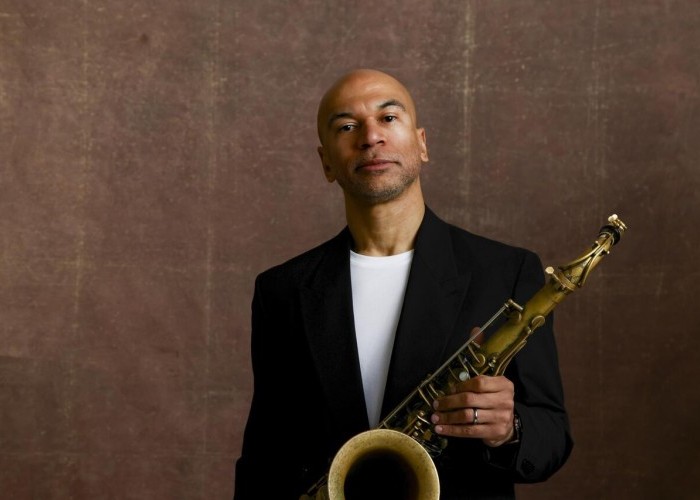
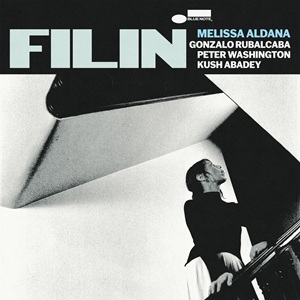
Walter Smith III joins a lofty group of new releases from Blue Note that includes recordings from Ron Carter, Bill Frisell and Immanuel Wilkins.
(Photo: Travis Bailey)Jazz and gospel are close blood relations. And fortunately, those Saturday night and Sunday morning worlds sometimes intertwine. Such is the backbone of Sweet, Sweet Spirit (Blue Note; ★★★★ 53:42), the latest by the fabulous Ron Carter, this time in collaboration with Chicago-based gospel singer/songwriter and choir director Dr. Ricky Dillard (supported by his New Generation Chorale).
The album aptly opens with “Open My Eyes,” not to be confused with “Open Our Eyes,” which was popularized by the Gospel Clefs in the 1960s and notably covered by Earth, Wind & Fire for their 1974 album of the same name. This opener is a pew-rocking version of the late-19th century hymn. The album draws deeply from the roots of modern gospel music history, as evidenced by tracks like “In The Garden” and a lovely version of the gospel standard “Just A Closer Walk With Thee” featuring Avery*Sunshine. According to Carter’s website, when his mother, Willie O. Carter, “was on bed rest toward the end of her life she asked her son to sit with her and sing the hymns of his childhood to keep her spirits elevated.” He obliged, working out bass lines to classic devotionals to comfort her. Now, three decades later, Sweet, Sweet Spirit is here to soothe still more weary souls.
For Bill Frisell’s album In My Dreams (Blue Note; ★★★★ 62:23), his longtime trio consisting of Thomas Morgan on bass and Rudy Royston on drums is accompanied by Jenny Scheinman on violin, Eyvind Kang on viola and Hank Roberts on cello, frequent Frisell collaborators all joined together in a unique, new configuration: a dream team, if you will.
Produced by Lee Townsend, the album combines studio work with live performances (primarily recorded at the Denver Jazz Fest, but also recorded in New Haven and Brooklyn). The throughline is a twangy expansive Western feel that Frisell fans know and love, augmented by always-tasteful distortion and electronics.
This is especially true on cuts like the habanero-tinged wonder “When We Go.” “Isfahan,” an interpretation of a composition by Billy Strayhorn and Duke Ellington, is a windswept West Coast jazz standout. “Curtis” features a solo by Kang that is chockful of a classical Near Eastern sensibility. Very naturally, the whole shebang closes with a rousing version of “Home On The Range” imbued with a sense of longing that lingers long after the album ends.
Perhaps coincidentally, saxophonist Walter Smith III also tackles “Isfahan” for his latest, Twio, Vol. 2 (Blue Note; ★★★★ 46:56). The album features Smith, bassist Joe Sanders and drummer Kendrick Scott as the core trio. The maestro Ron Carter (uncoincidentally) sits in for Sanders on half of the album’s 10 tracks, including the slinky interpretation of “Isfahan.” Smith shared that while recording, the maestro suggested to the saxophonist (who is roughly half Carter’s age), “Don’t just play what you want. Listen to what I’m doing. I have some ideas that may take you in different directions.”
Saxophonist Branford Marsalis also appears on two cuts: the energetic, conversational “Swingin’ At The Haven” (composed by Ellis Marsalis) and the bopping “Casual–Lee” (a Walter Smith III original). Much of the material is drawn from the 1950s and 1960s (from Monk’s “Light Blue” to Kenny Dorham’s “Escapade” to Wayne Shorter’s “Fall”); consequently, the work as a whole evokes an appealing sense of modern jazz (and ample ideas) stripped down to their bare meditative essence.
Lastly, consisting of four songs on four sides (“Warriors,” “Composition II,” “Charanam” and “Eternal”), Live At The Village Vanguard, Vol. 1 by the Immanuel Wilkins Quartet (Blue Note; ★★★½ 62:06) is an epic convening. Saxophonist Wilkins (on alto) is joined by Micah Thomas on piano, Ryoma Takenaga on bass and Kweku Sumbry on drums; from the opening track, “Warriors,” they commence in channeling the spirits present at the venerable Village Vanguard. While “Warriors” is made of unabashed fire, “Composition II” is nothing short of a meditation. Thomas’ piano has an almost aquatic quality, like a clear stream flowing over the song in its totality.
“Charanam” is an Alice Coltrane original which here is reincarnated from her Kirtan (or participatory musical meditation practice). It takes form as a groovy, rollicking hymn more aligned with a late-1960s psychedelic Galt MacDermot soundtrack.
“Eternal” is a somewhat modal, hypnotic ending to the work inviting the listener to meditate on the journey explored on all four sides. DB
Ordering info: bluenote.com
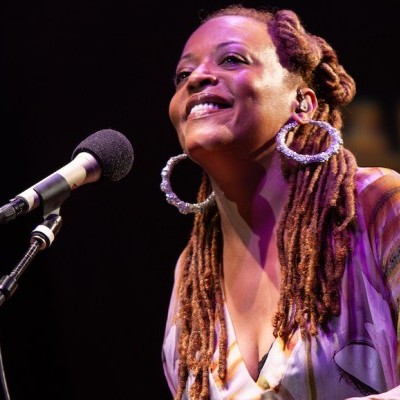
Wilson’s ability to connect to audiences helped her to win two Grammy awards and multiple other accolades. She was named an NEA Jazz Master in 2022.
Sep 3, 2026 10:44 AM
Cassandra Wilson, a singer, songwriter and producer who was one of the most acclaimed and successful jazz vocalists of…
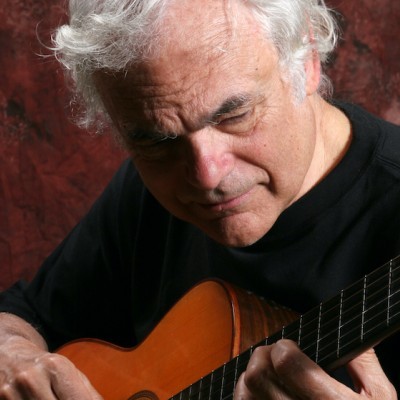
Bertoncini was a specialist and advocate for the nylon-string acoustic guitar, turning down high-profile opportunities that were unsuited to the sound and techniques that he used with that instrument.
Sep 1, 2026 11:06 AM
Gene Bertoncini, an esteemed jazz guitarist, composer, arranger and educator, died Aug. 29 at the Lillian Booth Actors…
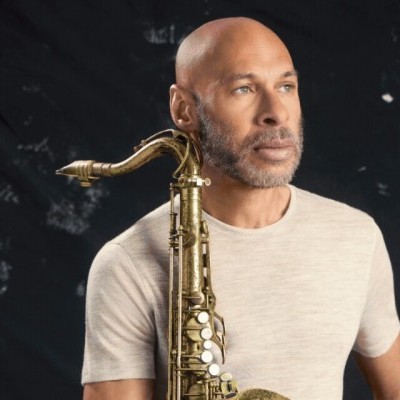
A solo concert by saxophonist Joshua Redman will close the first night of the Hyde Park Jazz Festival on Sept. 26.
Sep 22, 2026 12:26 PM
The Hyde Park Jazz Festival will take place for the 20th time on the final weekend of September 2026. Beginning half…
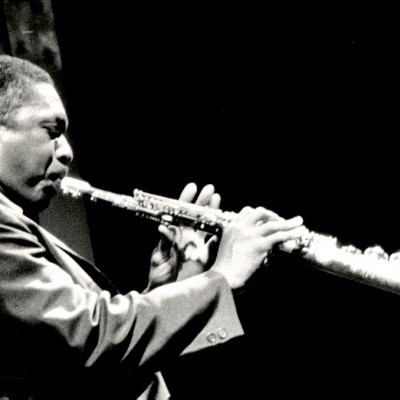
“It was just that suddenly … I could hear it,” Ravi Coltrane said of an epiphany he experienced during his late teens regarding his father’s music. “And it was almost like a calling, like something saying, ‘Hey, man, come on. It’s time to get serious.’ And the first time you really tune in and dial in and focus like that, it can be very life-changing.”
Sep 22, 2026 1:39 PM
Editor’s Note: Tomorrow, Sept. 23, is the 100th anniversary of John Coltrane’s birth. In honor of the tenor and…
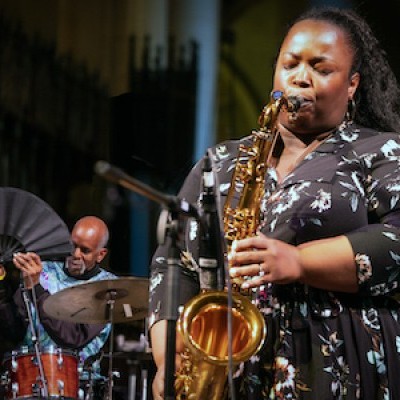
Camille Thurman took to the stage alongside bassist Kenny Davis and drummer Tommy Campbell for a rendition of Johnny Mercer’s “I’m An Old Cowhand” that recalled Rollins’ epochal 1957 trio outing Way Out West.
Oct 6, 2026 1:33 PM
As emcee Mark Ruffin noted at the commencement of an epic tribute to saxophonist Sonny Rollins at the Cathedral of…