Sep 3, 2026 10:44 AM
In Memoriam: Cassandra Wilson, 1955–2026
Cassandra Wilson, a singer, songwriter and producer who was one of the most acclaimed and successful jazz vocalists of…


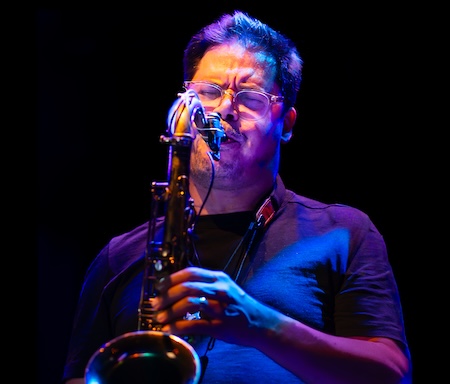
Seamus Blake has taken a deep dive into the music of Eddie Harris. “The more that I listened to him, the more I appreciated and recognized the diversity of his kind of talent.”
(Photo: Kate Izor)The London-born, Vancouver-raised Seamus Blake, a role model for a generation of aspiring tenor sax players in Canada, recalls the moment he first plugged in. “I started playing with effects in 1995,” recalled the 1992 Berklee grad and longtime New Yorker, who currently resides in Cologne, Germany. “I went to 48th Street with my buddy Chris Cheek, a great saxophone player. We had a band together then, and we went to Sam Ash just to buy microphones, but the guy there was such a great salesman that we ended up buying a whole bunch of other stuff. His pitch was, ‘It would be really fantastic if you tried this Jimi Hendrix Crybaby wah-wah pedal and maybe this Boss pitchshifter/delay, which has got a lot of fantastic effects. Try it out and see for yourself.’ So we took our microphones and we hooked them up to these effects pedals and started making bird noises through that and playing with the delay. And it was like, ‘Wow, this is a whole universe of sound that we had no idea existed until now.’
“The thing with electronic effects,” he continued, “is when you first discover them it’s a bit like dabbling in drugs. It’s like, ‘Ooh, wow! I had no idea flanger could make me feel so alive.’”
Shortly after that trip to Manhattan’s old Music Row, Blake and Cheek began experimenting with effects in their band, The Bloomdaddies, eventually releasing their electrifying 1996 self-titled debut on the Criss Cross label. Soon after, Blake began hearing the comparisons. “People would come up to me after gigs and say, ‘Yeah, that reminds me of Eddie Harris.’ Now, I knew about ‘Exodus’ and ‘Listen Here’ and ‘Compared To What,’ and I remember liking that John Scofield record that he played on [1994’s Hand Jive on Blue Note], but I hadn’t really checked out that much Eddie, particularly his electronic stuff. So I was actually a little bit late to the party.”
It was around 2010, after Smoke jazz club co-owner Paul Stache had suggested honoring Harris on his birthday (Oct. 20) that year that Blake began investigating his music.
“That’s when I took a deep dive into Eddie,” he said. “And the more that I listened to him, the more I appreciated and recognized the diversity of his kind of talent, the uniqueness about him and the ways in which he was kind of ahead of curve in so many ways.”
Fifteen years later, Blake finds himself going deeper than ever on The Electrifying Seamus Blake Plays The Music Of Eddie Harris: EH! (Cellar Music), his 24th as a leader or co-leader. A tip of the hat to the innovative saxophonist who passed in 1996, it’s a direct nod to Harris’ groundbreaking 1968 outing, The Electrifying Eddie Harris (Atlantic). In the company of Hammond B-3 organist/keyboardist Sam Yahel, electric bassist Tim Lefebvre and drummer Corey Fonville, with contributions from soulful singer Dawn Pemberton on funkified reimaginings of “Compared To What” and “I Need Some Money,” Blake delivers on electrified tenor sax, EWI and even vocals (on the gentle ballad “Illusionary Dreams” from Harris’ A Tale Of Two Cities, recorded in May 1983 at Joe Segal’s Jazz Showcase in Chicago).
The 2002 Thelonious Monk International Saxophone Competition Award winner explained his gradual evolution into electronics: “I started with classical music actually, playing violin until I was about 15, which is when I switched to saxophone. At Berklee I was pretty much a jazz nerd, just deeply into straightahead jazz. After college I began checking out more things divergent to mainstream jazz: rock, folk and funk music and all the different stuff that is out there. It was a gradual process but it snowballed pretty quickly.”
By the time he and Cheek formed The Bloomdaddies, the conversion to electronics was complete. “We were into as many effects as we could possibly carry: harmonizers and different envelope filters like the Mutron and the whole deal. And when I go back and listen to some of Eddie’s earliest records where he’s playing with the Varitone (an early electronic pickup and effects unit introduced by Selmer in 1965 and introduced by Harris on 1966’s The Tender Storm), I feel like the kind of discovery process for him was probably very similar to how we experienced it, just by trial-and-error. Eddie tended to use effects with groove music. But for us, they also opened doors of a color palette.”
Blake became so gung-ho about electronic effects that he was bringing all his pedals out on his sideman gigs. “Victor Lewis was one of my regular gigs in the ’90s, and he loved the psychedelic aspect of the effects,” he recalled.
John Scofield invited Blake to jam with him around 1996, just to suss out their blend before going out on tour in support of the guitarist’s gorgeous acoustic album that year, Quiet. “I remember he wanted to just jam,” Blake recalled. “So we went to a Midtown Manhattan studio, and I brought my whole rig along. I actually had more gear than him, and I was like this eager beaver with the effects. Afterwards, John said, ‘Sounds cool, man, sounds great! So I’ll see you at the airport next week. And, oh yeah, you can just leave all those pedals at home. You don’t need to bring that stuff.’”
Blake — who will be taking out an Eventide H90 harmonizer, Line 6 HX Stomp effects processor and TC Electronics Dynamic digital delay pedal when he tours in support of EH! — noted, “I think the goal in doing this album was not necessarily to meticulously copy all Eddie’s techniques and effects, because you end up feeling like you come up short if you go that route. For me, it’s more like creative inspiration and finding ways to showcase his music while also being yourself doing it.
“Sometimes people just want to hear it the way it was. You know, ‘Give it to me straight, just like the original. Don’t mess with it too much.’ But then sometimes straight gets boring, so I might do little things to try and improve it a little bit — maybe put a new ending or an intro or just try to put something else on it like that. I think it’s always good to have little surprises in there.” DB
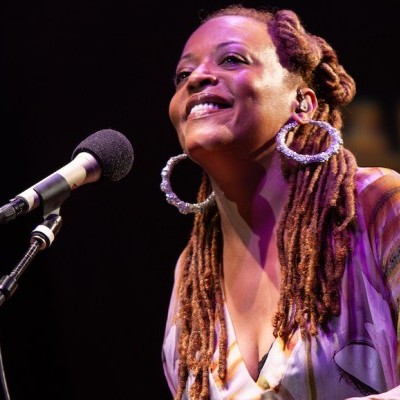
Wilson’s ability to connect to audiences helped her to win two Grammy awards and multiple other accolades. She was named an NEA Jazz Master in 2022.
Sep 3, 2026 10:44 AM
Cassandra Wilson, a singer, songwriter and producer who was one of the most acclaimed and successful jazz vocalists of…
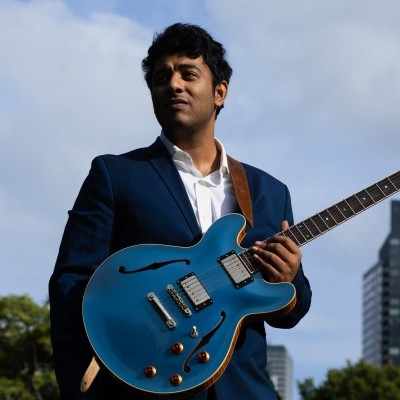
“The love from the jazz and music community restored my faith in humanity,” Walia wrote in an online post upon his release from detention at an ICE facility.
Aug 18, 2026 2:15 PM
Indian jazz guitarist and composer Pritesh Walia has been released after being unexpectedly detained by ICE and taken…
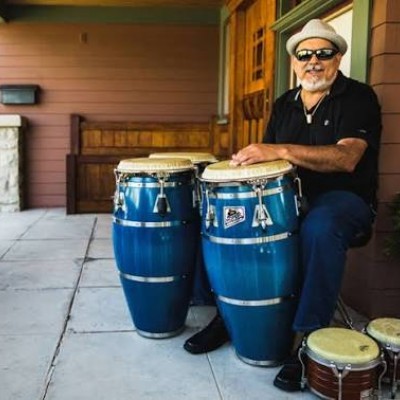
Percussionist Poncho Sanchez was among the artists scheduled to perform at the now-canceled inaugural LA Jazz Festival.
Aug 11, 2026 12:53 PM
The inaugural LA Jazz Festival, originally scheduled to run Aug. 7–23 with dozens of events across Los Angeles’…
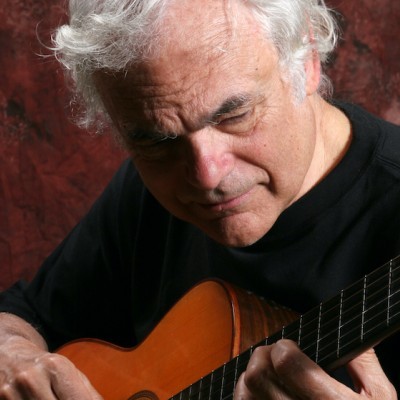
Bertoncini was a specialist and advocate for the nylon-string acoustic guitar, turning down high-profile opportunities that were unsuited to the sound and techniques that he used with that instrument.
Sep 1, 2026 11:06 AM
Gene Bertoncini, an esteemed jazz guitarist, composer, arranger and educator, died Aug. 29 at the Lillian Booth Actors…
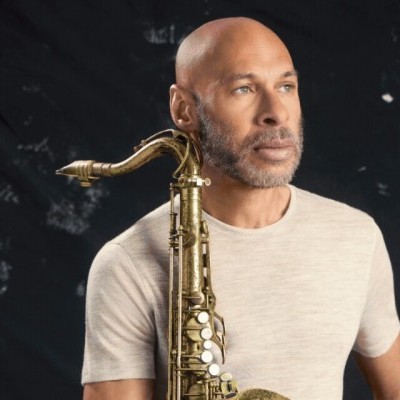
A solo concert by saxophonist Joshua Redman will close the first night of the Hyde Park Jazz Festival on Sept. 26.
Sep 22, 2026 12:26 PM
The Hyde Park Jazz Festival will take place for the 20th time on the final weekend of September 2026. Beginning half…