Mar 2, 2026 9:58 PM
In Memoriam: John Hammond Jr., 1942–2026
John P. Hammond (aka John Hammond Jr.), a blues guitarist and singer who was one of the first white American…


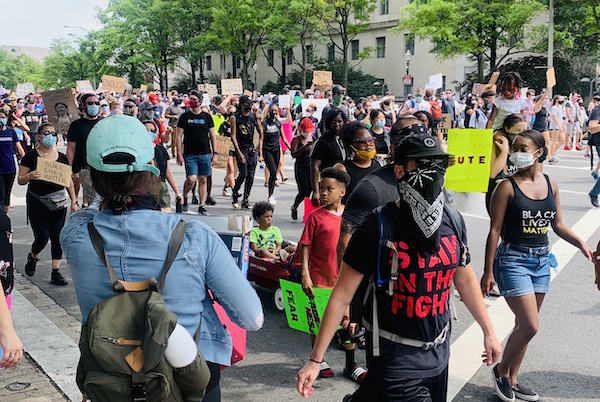
Protesters march June 6 in Washington, D.C., following the police killing of George Floyd.
(Photo: John Murph)Closer to home for the jazz community, the newly formed Jazz Coalition partnered with The Blacksmiths (a coalition of artists, curators, producers and organizers), the Intersectional Voices Collective and The Wide Awakes to present “Juneteenth Jubilee,” a June 19 celebration in Harlem to heighten awareness of the Black queer and transgender communities, which also contend with racialized disparities and violence.
While Blackout Tuesday helped to spotlight significant systemic imbalances within the jazz community, it’s difficult to find published studies examining current issues in the music. Works like Zola Philipp’s scholarly paper “The Social Effects of Jazz” and Gerald Horne’s book Jazz and Justice: Racism and the Political Economy of the Music have explored the history of financial exploitation of Black jazz artists. But questions about disparities in wealth and hiring practices, the ownership of jazz labels, jazz media outlets, venues, and nonprofit institutions and access to education have yet to be studied in such depth.
“Historically, who owns a lot of music publishing and whose songs were they? Let’s just start there,” said Katea Stitt, program director at WPFW—Washington, D.C.’s Pacifica Foundation radio station. The daughter of late saxophonist Sonny Stitt, she also said she participated in recent protests in the capital. “Who owned the clubs? And who played inside the clubs?” she asked.
Vocalist and activist Myers recently published a book, White People Talking to White People: Broaching the Topic of Race with your White Friends, as a guide for how individuals can address systemic racism within their own homes and businesses. He, too, cited glaring racial discrimination in jazz performance spaces and the education system.
“If we do not force white people in jazz to start examining their own fragility and privilege that we as Black people have tolerated and tiptoed around for as long as we’ve been in this genre, the systemic racism within jazz will continue,” he said.
“A lot of jazz musicians are afraid to speak up about it, because they’re afraid they are going to lose some of their audience,” Myers continued. “They know their audience is a lot of white people—older white [people] at that. We as jazz musicians can no longer be in a position of playing it safe. In this moment, where do you stand? I push everyone within the jazz community to make a stand and put our own individual equity in jeopardy in the fight against racial injustices, including those within the jazz industry.” DB
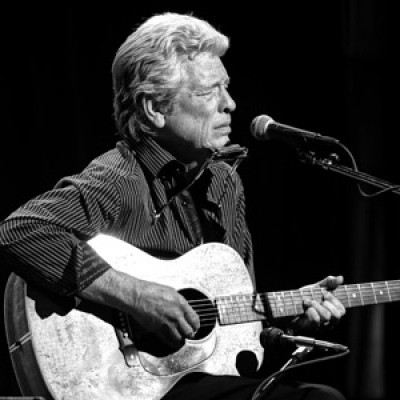
Hammond came to the blues through the folk boom of the late 1950s and early 1960s, which he experienced firsthand in New York’s Greenwich Village.
Mar 2, 2026 9:58 PM
John P. Hammond (aka John Hammond Jr.), a blues guitarist and singer who was one of the first white American…
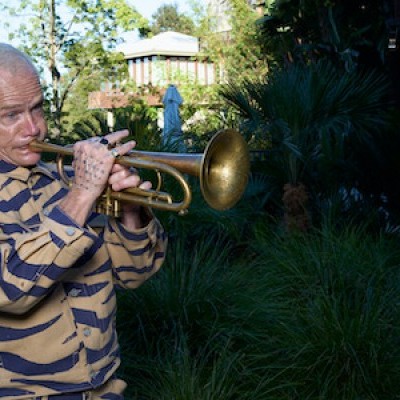
“Cerebral and academic thought is a different way to approach music,” Flea says of his continuing dive into jazz. “I’ve always relied on emotion and intuition and physicality.”
Mar 30, 2026 10:30 PM
In the relatively small pantheon of certifiable rock stars venturing into the intersection of pop music and jazz, the…
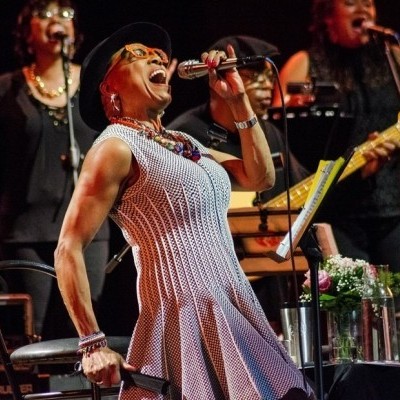
Vocalist Dee Dee Bridgewater will be among the headliners at this year’s DC JazzFest.
Mar 2, 2026 9:48 PM
The first wave of artists scheduled to perform at the 2026 DC JazzFest have been announced. This year’s headliners…
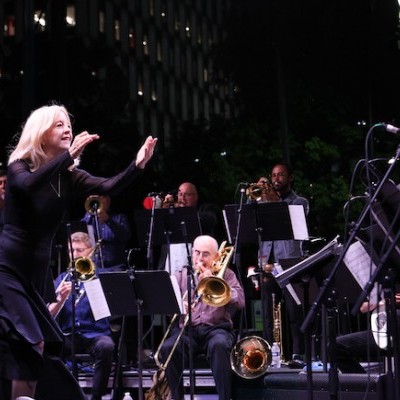
“These days, with curated news, where people only get half the story, people can’t even speak to family members anymore,” Schneider laments.
Mar 10, 2026 1:43 PM
Maria Schneider is doing her part to try to fix what ails America. Which got her thinking about crows, specifically,…
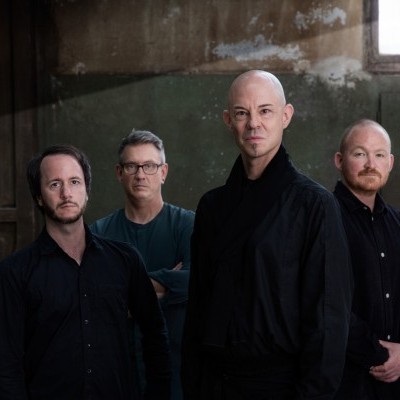
“We thought it’s important that Ronin has a new statement,” said Nik Bärtsch of his band’s latest album, Spin. “The sound is differently produced, so it reflects more of who we are.”
Apr 21, 2026 10:00 AM
Nik Bärtsch cuts an imposing figure on stage. He’s unmistakable with his soul patch, shaven head and black attire.…