Sep 3, 2026 10:44 AM
In Memoriam: Cassandra Wilson, 1955–2026
Cassandra Wilson, a singer, songwriter and producer who was one of the most acclaimed and successful jazz vocalists of…


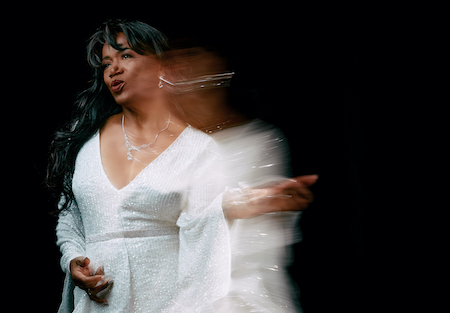
Jones said that actively pursuing a Grammy nomination gave her “the means by which I launched my music to a wider world,” a win even though the Grammy nod did not come her way.
(Photo: Steve Korn)In 2025, after 12 years in the industry, I released my sixth album, Eugenie, on my own Open Mic record label. Despite having an MBA and a career in marketing, this project was a difficult undertaking, more challenging than almost any professional endeavor I have faced.
What set this experience apart was that it was more than an album release; it was a feel-the-fear-and-do-it-anyway vie for a Grammy nomination.
When the cellophane finally wrapped around the packaged storylines and music we had poured our hearts into, I felt a deep sense of pride in what my collaborators and I had achieved. Yet, despite an album that charted for 25 weeks (peaking at No. 4 on JazzWeek), a multimedia release campaign, and a comprehensive For Your Consideration (FYC) campaign, the “golden gramophone” remained out of reach.
But this is not a story of defeat or loss; it is a transparent look at marketing strategy, logistics, actionable hope and the analysis of a resilient spirit, which I hope others will find helpful.
The Marketing Strategy
One tactical marketing consideration was recognizing early on that the logistical gauntlet for a Grammy nomination does not begin when the Recording Academy opens its entry portals. Rather, it’s an all-encompassing blanket that touches every consideration, including determining the album’s scope and theme, selecting songs and arrangements, securing personnel and even selecting a release date.
For instance, when I chose a release date, I didn’t just consider production timetables; I also considered aligning my album’s street date with the Grammy submission deadline, which offered a dual advantage. The attention a new release garners — its media, reviews, airplay, charting and its subsequent buzz — would not only promote the release, but it would also reach the ears of voting members close to voting time. While the exact impact is difficult to quantify, its relevance is validated by the sheer volume of music hitting airwaves during this timeframe.
In the end, I decided to buck the odds and launch my project in January. Perhaps because patience is not my strong suit, but also because I believed releasing singles and videos after the major album release would keep my music relevant and extend its longevity into the Grammy season.
My campaign strategy also took some big marketing swings, such as placing an ad in Billboard magazine. But I also incorporated grassroots, bedrock tactics, such as placing album-release flyers in the goodie bags of jazz convention attendees, with QR codes that gave these audiences early access to my release while providing early indications of which tracks would be most marketable as singles.
Budgets, always a concern for indies, prompted me to learn how to design my own thematic music videos and to create and launch a “backstory” video series, allowing me to speak directly to viewers and share my artistic journey and the meaning of featured songs. Recording Academy guidelines allow pitching to voting members only during certain dates, so these early awareness-building efforts did not directly target them. But some voting members would inevitably have come into contact with the content, as it aimed for “music-interest” demographic profiles.
I also used more traditional tactics, including touring with my album release, hiring a promoter for FYC email blasts, setting up a FYC web page, running social media campaigns, and posting on Grammy-themed website pages. My face-to-face networking was limited to volunteering for the Academy’s National Advocacy Committee, but there are many such activities that offer this type of service and relationship-building opportunities to voting members.
Once Recording Academy rules allowed, I shifted to direct peer outreach and spent many hours in one-to-one exchanges with other artists: sharing FYC content, taking the time to listen to their music, offering sincere feedback, and encouraging their endeavors. It was during these peer exchanges that the true spirit of the Grammy process was most apparent. I met several incredible creators, made new friends and business connections, and listened to wonderful music I might not have heard otherwise.
Have the Goods
These efforts highlight only some of the possible promotional considerations, but more important than all of the above is the music. Having “the goods,” as they say, is the “heart,” while campaign strategy is the “ribcage” that protects this vital organ. I approached Eugenie with the emotion of a creator and the discerning eye of a surgeon, willing to remove or redo anything that was not reflective of my best at every step along the way. This level of commitment to excellence was a persistent, uncompromising standard and is also another benefit of being an indie artist: You get to say, “When.”
For me, having the goods also meant recording original vocal jazz. To date, I have recorded 32 original songs, earning high praise from some and exclusion by others who view vocal jazz as a challenge to entrenched institutional definitions of the genre. This juxtaposition highlights another advantage of being an independent artist: You get to choose your journey, follow your values and to not allow others define you.
All Told
Comprehensively, this type of campaigning was daunting, requiring long hours, late nights and missed workouts. Yet, fueled by the clarity of a purposeful “why,” I kept going, believing in my work, and having the audacity to pursue an acknowledgment that 20,000 other artists were pursuing as well.
And while the journey’s end did not result in a nomination, that outcome does not diminish the quality or value of my work or lessen my pride in what we accomplished.
Instead, the opportunity of the Grammy process and its marketing strategy were the means by which I launched my music to a wider world. And that was the win: a win that offered a purposeful calling we as creators are bound to pursue with courage and confidence. DB
To learn more about Eugenie Jones’ music, visit eugeniejones.com.
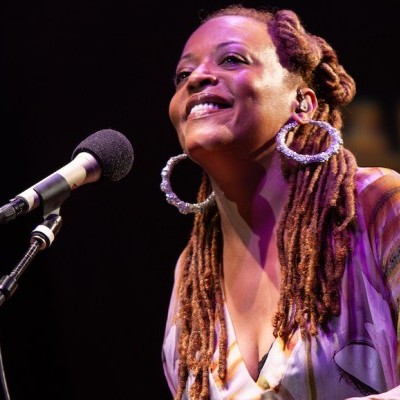
Wilson’s ability to connect to audiences helped her to win two Grammy awards and multiple other accolades. She was named an NEA Jazz Master in 2022.
Sep 3, 2026 10:44 AM
Cassandra Wilson, a singer, songwriter and producer who was one of the most acclaimed and successful jazz vocalists of…

“The love from the jazz and music community restored my faith in humanity,” Walia wrote in an online post upon his release from detention at an ICE facility.
Aug 18, 2026 2:15 PM
Indian jazz guitarist and composer Pritesh Walia has been released after being unexpectedly detained by ICE and taken…
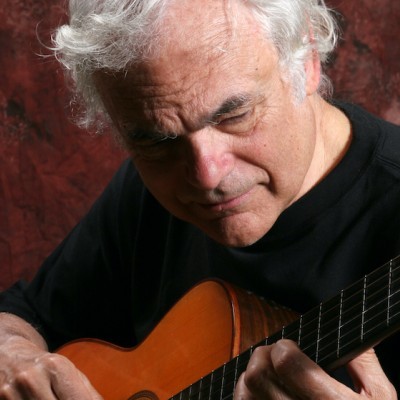
Bertoncini was a specialist and advocate for the nylon-string acoustic guitar, turning down high-profile opportunities that were unsuited to the sound and techniques that he used with that instrument.
Sep 1, 2026 11:06 AM
Gene Bertoncini, an esteemed jazz guitarist, composer, arranger and educator, died Aug. 29 at the Lillian Booth Actors…
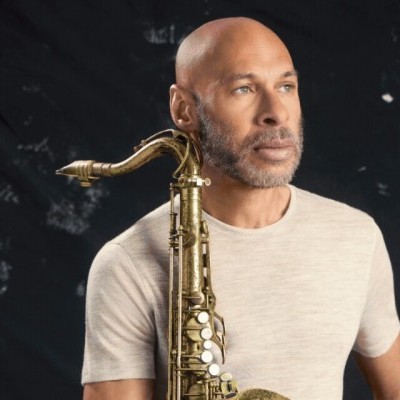
A solo concert by saxophonist Joshua Redman will close the first night of the Hyde Park Jazz Festival on Sept. 26.
Sep 22, 2026 12:26 PM
The Hyde Park Jazz Festival will take place for the 20th time on the final weekend of September 2026. Beginning half…
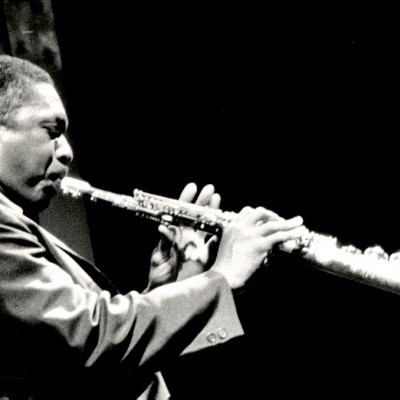
“It was just that suddenly … I could hear it,” Ravi Coltrane said of an epiphany he experienced during his late teens regarding his father’s music. “And it was almost like a calling, like something saying, ‘Hey, man, come on. It’s time to get serious.’ And the first time you really tune in and dial in and focus like that, it can be very life-changing.”
Sep 22, 2026 1:39 PM
Editor’s Note: Tomorrow, Sept. 23, is the 100th anniversary of John Coltrane’s birth. In honor of the tenor and…